

The United States struck Iran for the second day in a row on July 8, after U.S. President Donald Trump said a ceasefire between the two nations had ended.
After the strikes, he told reporters aboard Air Force One that Iranian officials reached out and “want to make a deal so badly.”
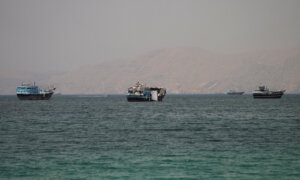
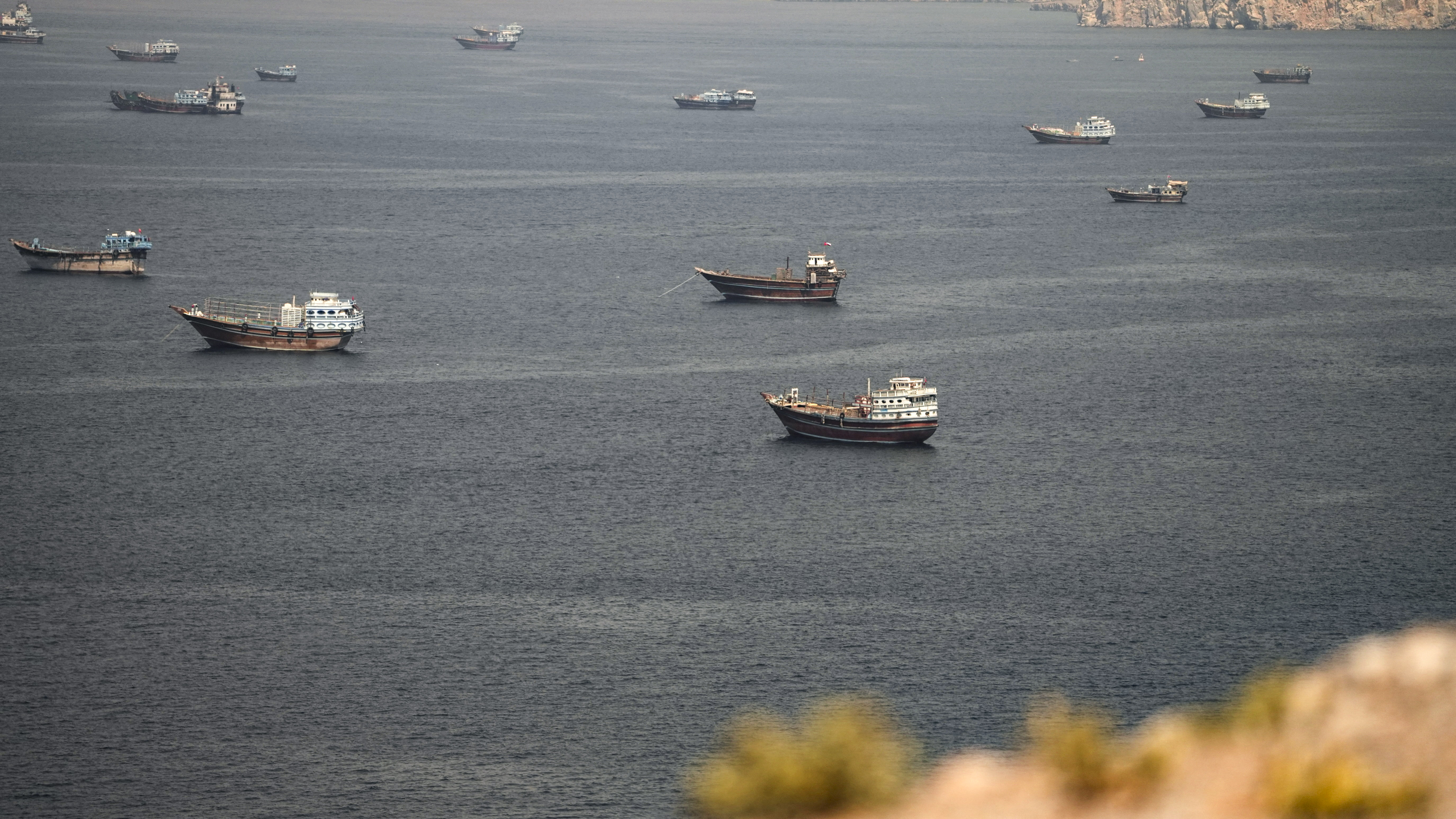
Trump said he didn’t feel Iran was “worthy” of making a deal and expressed skepticism that Iranian officials would honor it, blaming the Iranian regime for recent attacks on commercial ships in the Strait of Hormuz.
“We’ve already won militarily. They have very little, they have very little left, and they want to make a deal so badly,” Trump told reporters. “They called a little while ago. They want to make a deal so badly. I just don’t know if they were worthy of making it.”
U.S. Central Command posted on X earlier July 8 confirming the strikes on Iranian targets for the second day in a row.
“At the direction of the Commander in Chief, U.S. Central Command forces have started conducting additional strikes against Iran to further degrade their ability to threaten freedom of navigation in the Strait of Hormuz,” the U.S. Central Command said in an X post.
“The United States is holding Iran accountable for recent unjustified aggression against commercial shipping and civilian crews freely navigating a vital international waterway.”
In a follow-up statement on the same day, the U.S. Central Command said on X that the additional round of strikes had been carried out to further degrade the Iranian military’s ability to attack commercial shipping and civilian mariners in the Strait of Hormuz.
“U.S. forces struck approximately 90 Iranian military targets including air defense systems, coastal surveillance assets, missile and drone storage sites, naval capabilities, and military logistics infrastructure along Iran’s coastline,” the U.S. Central Command said. “The latest strikes follow successful execution of offensive strikes in Iran the night before.”
Iran retaliated with fire targeting Bahrain, Kuwait, and Qatar.
Earlier in the day, Trump said he thought the ceasefire had ended. “For me, I think it’s over,” he told reporters. He also cast doubt on potential negotiations with Iran. “They can talk, but I think they’re wasting their time,” he said.
The president posted a number of photos and videos on Truth Social showing the aftermath of the U.S. strikes.
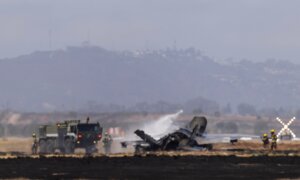
Some of the posts show large explosions in the distance. Others show massive fires and plumes of smoke.
“This is in retribution for yesterday’s bombing of ships by Iran. If it happens again, it will get much worse!” Trump captioned one of his posts.
Speaking from Milwaukee, Wisconsin, on July 8 for an event on the Trump administration’s efforts to fight fraud, Vice President JD Vance offered remarks on the latest escalations.
He said the deal with Iran was “very simple.”
“The basic deal that we cut was we’ll lift our blockade if you stop shooting at ships,” Vance said. “But if you shoot at ships, we are going to punch back and we’re going to punch back harder than ever before. ... They said they would stop shooting at ships and what happened 24 hours ago? They start shooting at ships again.”
U.S. forces first began striking targets in Iran on July 7 in retaliation for attacks that targeted commercial vessels transiting the Strait of Hormuz earlier that day.
Iran has not claimed direct responsibility for the July 7 attacks or other recent attacks targeting commercial vessels in the Strait of Hormuz. However, Iranian state media has shared warning messages that the only safe transit of the waterway is through routes administered by Iranian authorities.
Iran’s Islamic Revolutionary Guard Corps responded to the U.S. strikes on July 7 by launching drones and missiles at U.S. military outposts in Bahrain and Kuwait.
Iranian forces also threatened to target parties they deem to be facilitating U.S. aggression toward Iran.
Trump hinted at the U.S. strikes on Iran earlier on July 8, as he and the heads of the other NATO member states held a summit in the Turkish capital city of Ankara.
Amid the recent skirmishes, Trump cast doubts on any remaining ceasefire and negotiations with Iran.
During a press conference on July 8, Trump said he would consult with his negotiating team before reaching a final decision, but said he feels negotiations are “a waste of time.”
At a final press conference before he departed from Ankara, Trump downplayed the potential ramifications of a ceasefire collapse.
“I think anything that happens is going to be over very quickly, and we’ll only make it safer,” Trump said.
Tom Ozimek and The Associated Press contributed to this report.