

A deal to end the conflict in Iran has been reached, U.S. President Donald Trump said on June 14.
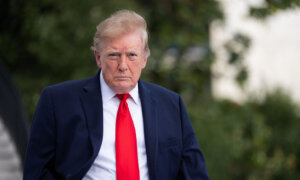
“The Deal with the Islamic Republic of Iran is now complete,” Trump wrote in a Truth Social post.
“Congratulations to all! I hereby fully authorize the toll free opening of the Strait of Hormuz, and, simultaneously herewith, authorize the immediate removal of the United States Naval blockade.
“Ships of the World, start your engines. Let the oil flow!”
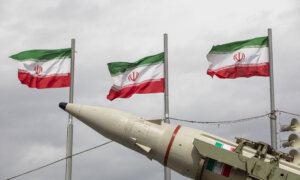
Iranian state television quoted an Iranian national security official as saying the war “will end immediately and permanently beginning tonight” on all fronts, while the U.S. blockade “will be terminated immediately and in full.”
The deal was first announced by Pakistani Prime Minister Shehbaz Sharif.
“Both sides have declared the immediate and permanent termination of military operations on all fronts, including in Lebanon,” Sharif wrote on X moments before Trump confirmed the plan.
Sharif said a signing ceremony will be held on June 19 in Switzerland.
Iran’s Supreme National Security Council also confirmed on June 15 that the two sides have finalized a memorandum of understanding to end the months-long war, state-owned news agency Press TV reported.
The council said the deal will include “an immediate and permanent halt to military operations on all fronts” and the lifting of the U.S. naval blockade of Iranian ports.
It also stated that negotiations on a final agreement would begin once the United States has implemented its commitments under the memorandum.
Additional details on the proposed memorandum of understanding (MOU) were not immediately released, and Iran has signaled that it may not implement portions of the deal until the signing ceremony is complete.
A key area of disagreement remains the presence of the Iran-backed Hezbollah terror group in Lebanon and its conflict with Israel—with Trump urging all sides to work to keep the peace.
Sharif said in his announcement of the deal that the United States and Iran “have declared the immediate and permanent termination of military operations on all fronts, including in Lebanon.”
The deal gives 60 days to find a way forward on the Persian state’s highly enriched uranium and its atomic program, which has been a key area of disagreement between the two in the current conflict and the years leading up to it.
Vice President JD Vance told Fox News that he plans to attend the signing ceremony.
“I certainly plan to be there, but it’s possible the president himself could be there,” he said. “We'll figure it out today.”
The MOU agreement follows a Pakistan-brokered ceasefire that began on April 8 and was extended indefinitely by Trump later that month.
Trump said on June 13 that once the deal is signed, the Strait of Hormuz will immediately be “open to all.”
The Iran war and subsequent standoff between the United States and Iran have affected the price of oil, cutting off most of the commercial traffic through the Strait of Hormuz, one of the world’s most important transit points for oil and natural gas.
Crude oil prices were at $56.80 per barrel on Dec. 19, 2025, but shot up to $114.01 per barrel by April 6, according to the U.S. Energy Information Administration.
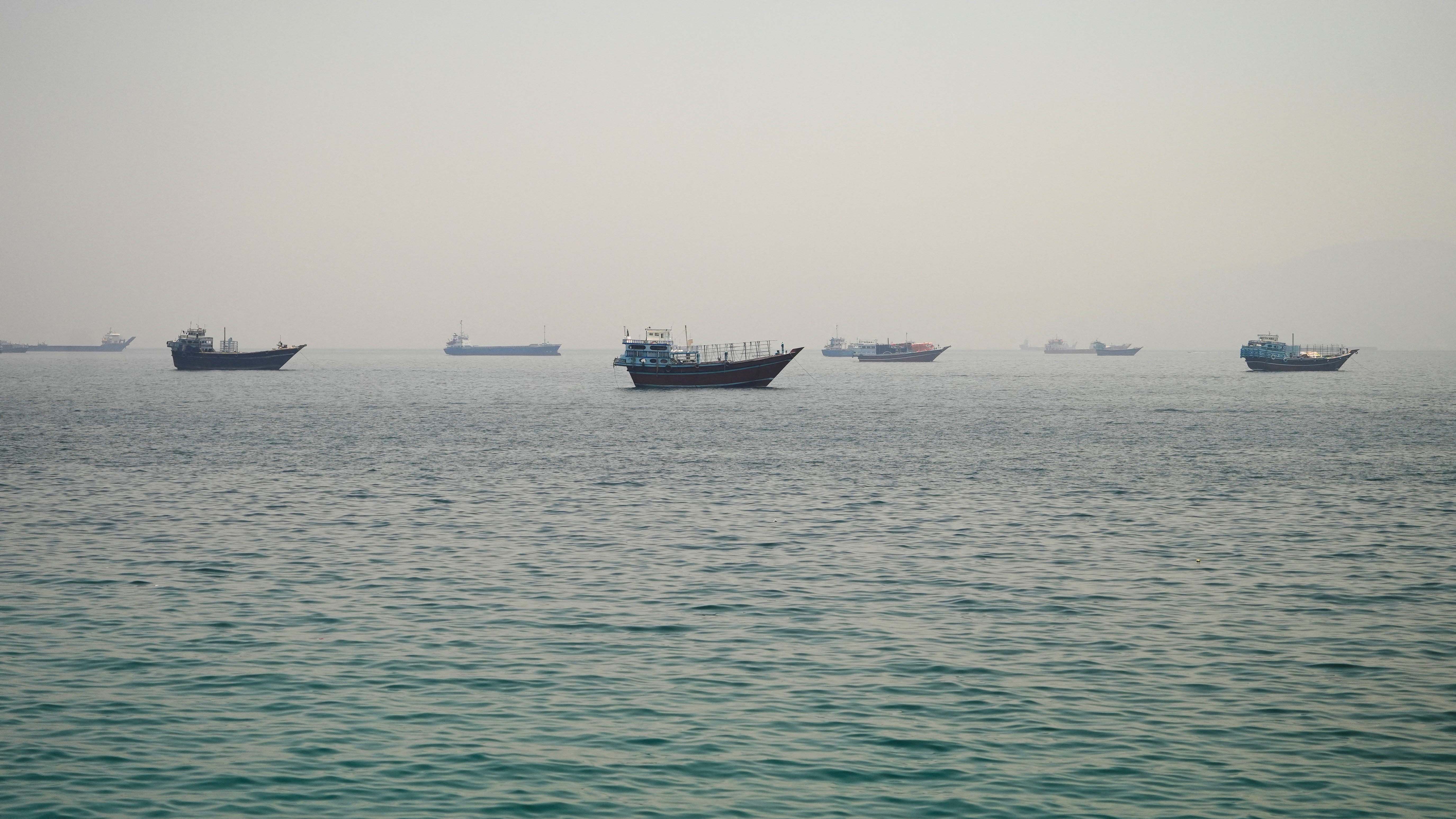
In late April, hundreds of vessels were sitting idle in the Persian Gulf.
Iran had also repeatedly harassed shipping vessels traveling through the Strait of Hormuz. The U.S. military said on June 13 that it shot down several Iranian attack drones that were targeting commercial ships sailing through the waterway.
Trump said on June 13 on Truth Social that the agreement would stop Iran from having a nuclear weapon, which Trump has maintained was a key to any peace agreement.
“In fact, they no longer want a Nuclear Weapon, nor will they have one, either through purchase, development, or any other form of procurement,” Trump wrote on June 13.
Trump criticized an Israeli strike on Beirut, Lebanon, on June 14, saying it should not have occurred as negotiators neared the peace agreement with Iran.
Trump said Israel has a right to defend itself but described the attack that prompted the response as minor, noting that no one was killed or injured. He warned that further military action could jeopardize efforts to secure a broader peace deal.
Trump called on all sides to exercise restraint, urging Israel to halt attacks in Lebanon and urging Hezbollah to stop launching attacks against Israel. He said the region is close to achieving a potentially historic peace.
He wrote, “This could be the beginning of a long and beautiful peace — Let’s not blow it!”
Should the deal be finalized as expected, it would return the region in large part to the status quo before the war.
However, it’s expected to take some time for global shipping through the channel to return to pre-war levels, as both shippers and insurers are likely to act with increased caution until the deal has been cemented.
Aldgra Fredly contributed to this report.