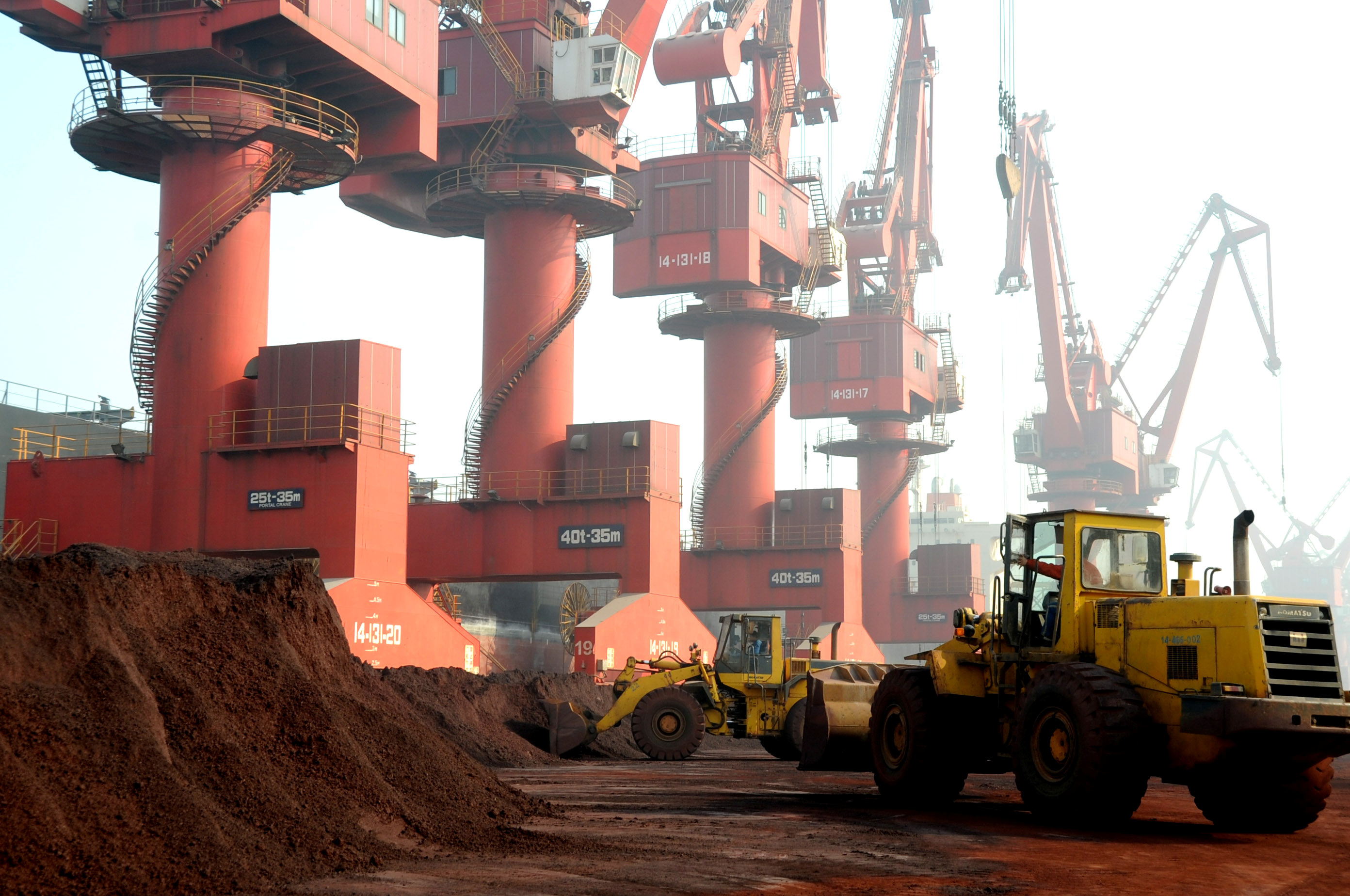

U.S. Treasury Secretary Scott Bessent said on Nov. 16 that the government is expecting to finalize a Chinese rare earths deal by Thanksgiving, Nov. 27.
His remarks were made after news that Beijing was looking into a verified end-user system that would prohibit companies linked to U.S. defense from acquiring rare earths.
“The agreement is that the magnets will flow freely, as they did before April 4,” Bessent told Fox’s Maria Bartiromo.
The host of “Sunday Morning Futures” expressed skepticism that the deal would hold, pointing to Beijing’s track record of ignoring even signed agreements.
The rare earths deal will be one of several agreements made official after the bilateral meeting between President Donald Trump and Chinese Communist Party (CCP) leader Xi Jinping on Oct. 30.
Bessent had initially predicted the rare earths agreement would be inked a week after that meeting, but it is now one of the last to be finalized.
Last week, FBI Director Kash Patel said he visited China after the bilateral meeting and met with his counterpart at the Chinese Ministry of Public Security. The Chinese authorities agreed to restrict the 13 fentanyl precursor chemicals to the United States, Mexico, and Canada on Nov. 10.
The United States halved fentanyl-related tariffs on China to 10 percent, tied to Beijing’s continued cooperation, and Bessent referenced measures such as “levers” that would ensure Beijing keeps its word.
“We are going to set up a dashboard of very quantitative metrics that they are going to have to meet to keep the tariffs off,” he said.
On Nov. 9, the U.S. Trade Representative announced a one-year suspension of penalties stemming from an investigation into China’s actions in the maritime and related sectors, which included port fees for Chinese vessels and 100 percent tariffs on ship-to-shore cranes—Chinese-made equipment accounts for 80 percent of cranes used in U.S. ports. Beijing immediately followed with an announcement of suspensions on actions it had taken in retaliation for the penalties: port fees for U.S. ships and sanctions it had imposed on a leading U.S. shipbuilding company.
China has also resumed soybean purchases, Bessent confirmed on Nov. 16, after reports that China has been slow to commit to this agreement. U.S. soybean farmers had been left in the lurch when China, which accounts for more than half of all global soybean purchases, boycotted U.S. soybeans and purchased its fill from Brazil and Argentina amid a record U.S. harvest.
“They’ve already started the purchases of soybeans. They’ve agreed for this buying season to buy 12 million tons, 25 million tons for the next three years after that,” Bessent said. “So, a total of 87 million, and then we have lots of other trade agreements that call for soybean purchases.”
Bessent said he believes Beijing “will honor this” agreement.
“They made pawns out of our great soybean farmers. But we believe that we have remedied that,” he said.
Asked whether Chinese companies could be kept out of U.S. stock exchanges, Bessent said, “all options are on the table.”
High-ranking lawmakers recently questioned Morgan Stanley for backing a Chinese mining company’s initial public offering, pointing to Zijin Gold International Company’s parent company’s appearance on a U.S. list of entities that have ties to forced labor.
The House Select Committee on the CCP also previously subpoenaed JPMorgan and Bank of America over their backing of Chinese battery maker CATL, which has ties to the CCP military.