

A federal judge on Aug. 26 temporarily blocked the Trump administration from restructuring a grant program that provides funding for more than 100 nonprofit housing groups.
Judge Myong Joun of the U.S. District Court for the District of Massachusetts in Boston ruled that the Department of Housing and Urban Development (HUD) had failed to provide a reasoned explanation for its decision to carry out changes to the Fair Housing Initiatives Program, which was established by Congress in 1988.
Joun’s ruling came in response to a lawsuit by the National Fair Housing Alliance and the Massachusetts Fair Housing Center, which sued in July to block the changes.
The judge said Congress had for decades recognized that fair housing organizations needed federal funding to tackle discrimination and enforce the 1968 Fair Housing Act.
He said HUD upended the system for enforcing the act when it announced last month that it would not automatically allocate any federal funding for the 2025 fiscal year to private enforcement initiatives or nonprofits that had received funding in previous years.
In the past, HUD would typically award more than 100 grants ranging from $75,000 to $425,000, according to lawyers for the fair housing groups.
HUD instead planned to use $46 million of the $56 million that Congress had appropriated for just five grants, $25 million of which would go to a law school. The remaining $10 million could go to a state or local agency.
Joun said, “The effect of HUD’s restructure effectively bars the very housing organizations that have been effectuating [the Fair Housing Initiatives Program’s] mission year after year since its enactment.”
The Trump administration also sought to make federal grant recipients sign agreements that they will not use the funding to support “gender ideology” or “illegal immigration.”
HUD had argued that it has discretion to impose conditions on grant recipients and that the changes it was making were part of a large-scale modernization effort to broaden participation.
Joun said that the “pithy description falls woefully short of the mark in both form and substance” and that it was “hard to see how or where Defendants relied on relevant data in crafting these changes.”
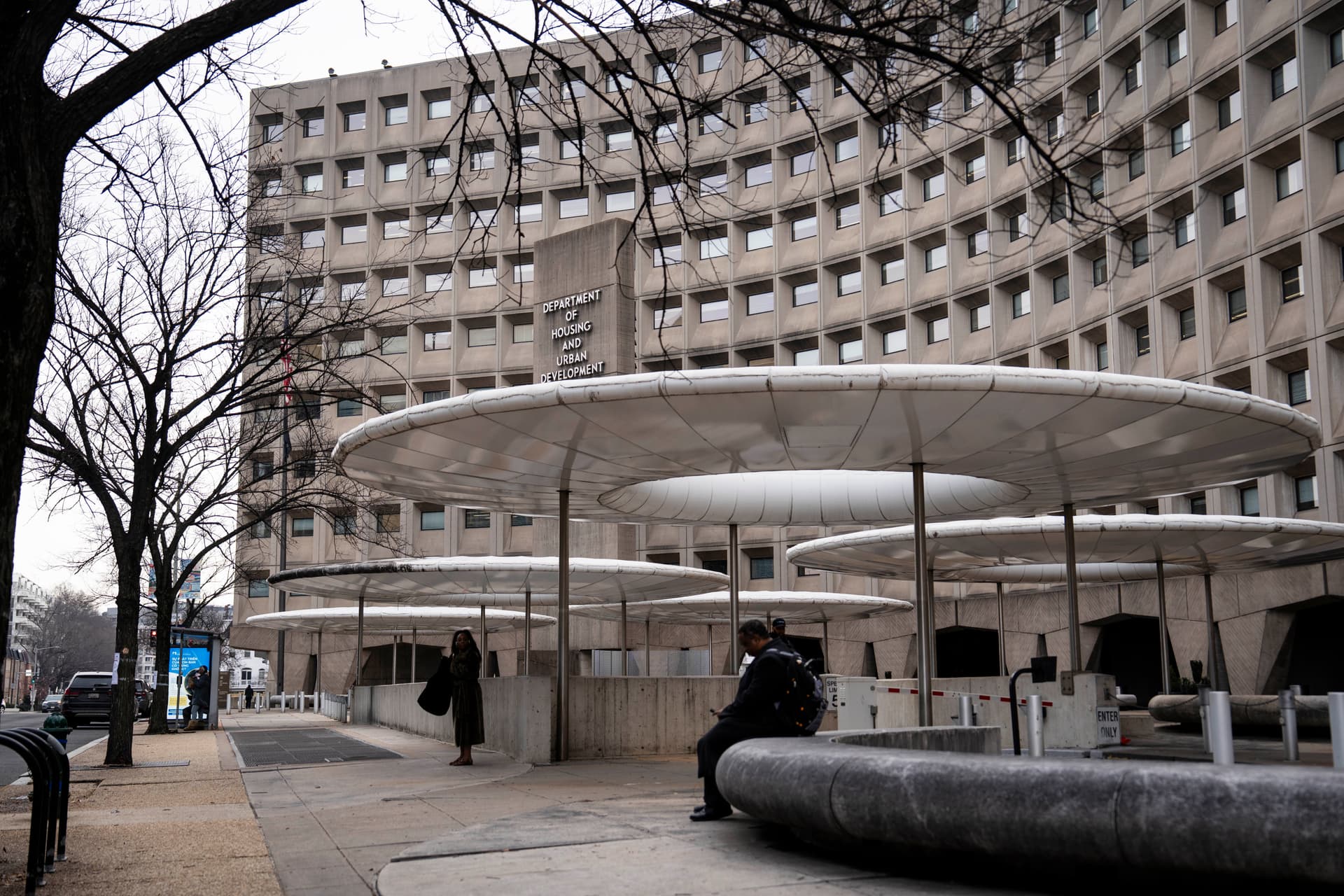
The Department of Housing and Urban Development in Washington on Feb. 17, 2026. (Madalina Kilroy/The Epoch Times)
Law firm Relman Colfax, which represents the plaintiffs, said last month that the work of these organizations is necessary, not optional.
Lila Miller, an attorney at the law firm, said in an Aug. 26 statement that the ruling “rightfully recognizes the stakes at issue and protects the rule of law.”
The Epoch Times reached out to HUD for comment but did not receive a response by publication time.
Reuters contributed to this report.