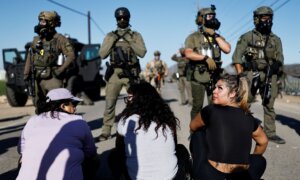

Immigration and Customs Enforcement (ICE) authorities will continue to target farms, hotels, and restaurants, but will focus on those with ties to criminal organizations.
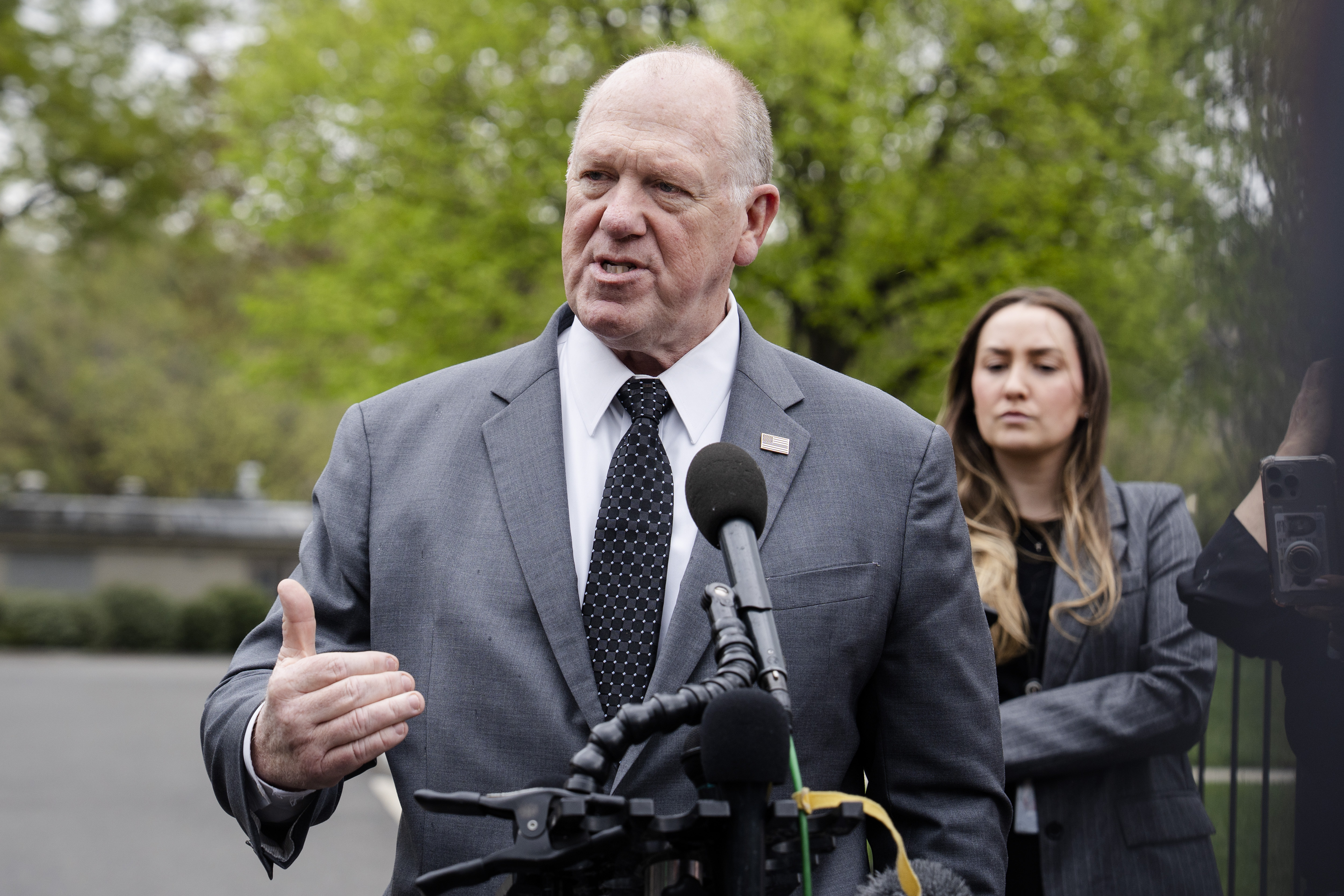
Border czar Tom Homan told reporters on June 19 that federal authorities would focus their efforts on individuals with a “criminal nexus of trafficking, of forced labor, of tax fraud, or tax evasion.” Homan said he was sympathetic to industries that had been affected by immigration enforcement, but added that as long as the laws are on the books, it’s ICE’s job to enforce them.
“There’s a right way and wrong way to hire workers,” Homan said. “There are legal programs that bring farm workers in. ... I’ve been saying for years that Congress needs to address this, but because Congress failed, it just doesn’t mean we ignore it. It’s illegal to knowingly hire an illegal alien.”
Homan’s comments come after a week of mixed signals from the administration regarding President Donald Trump’s plans to carry out what he said is “the largest deportation operation in American history.”
On June 14, a directive came down for ICE officials to pause enforcement actions on worksites in the hospitality, agriculture, and restaurant industries. That came after the president on June 12 indicated in a social media post that these industries had been particularly affected by immigration enforcement and were struggling to replace employees.
“Our great Farmers and people in the Hotel and Leisure business have been stating that our very aggressive policy on immigration is taking very good, long time workers away from them, with those jobs being almost impossible to replace,” Trump wrote in a post on Truth Social.
He continued, “We must protect our Farmers, but get the CRIMINALS OUT OF THE USA. Changes are coming!”
That directive was overturned on June 17, with operations being permitted to resume on the affected worksites after ICE field offices said that the restrictions made it impossible to meet their quota of 3,000 arrests per day.
Homan said that the plan following the resumption of operations on the affected industries isn’t to “just go farming for illegal aliens.”
“We will concentrate on worksites on a prioritized basis, just like we do at large operations,” Homan said. “We'll prioritize those who have a criminal nexus.”
He noted that worksites were the most common places ICE identified human trafficking, including sex trafficking.
“ICE enforces the laws enacted by Congress,” Homan said. “Worksite enforcement operations is an important part of the work we do.
“Where do we find most victims of trafficking? Worksites.”
Sanctuary Cities
On June 15, Trump in another post on Truth Social called for the United States to expand its operations in “sanctuary cities”—named for enacting policies that disregard or work against federal immigration enforcement—specifically referencing Los Angeles, Chicago, and New York City.
The president accused such sanctuary cities of unlawfully shielding illegal immigrants, which he said compromises election integrity, welfare program sustainability, and employment opportunities for American citizens.
“I want ICE, Border Patrol, and our Great and Patriotic Law Enforcement Officers, to FOCUS on our crime ridden and deadly Inner Cities, and those places where Sanctuary Cities play such a big role,” he said. “You don’t hear about Sanctuary Cities in our Heartland!”
Speaking about ICE’s expanded focus on sanctuary cities since the president’s post, Homan said: “That’s where the problem is. They knowingly release public safety threats, illegal aliens to the community every day. That’s why we’re sending more resources sanctuary cities to take the public safety threats off the street.”
Reuters contributed to this report.