
Some states are banning their police departments from entering into specific agreements with U.S. Immigration and Customs Enforcement (ICE) to apprehend illegal immigrants.
The bans followed two separate shootings that killed Alex Pretti and Renee Good, both U.S. citizens and protesters in Minneapolis during ICE removal operations in January.
Criticism by lawmakers from the Democratic Party has increased as federal officers continue immigration enforcement, one of President Donald Trump’s campaign promises.
Here’s what to know about these agreements, the states that have banned them, and how Republicans have responded.
Agreements
The agreements are between ICE and state and local law enforcement agencies. They are known as “Section 287(g)” agreements, referring to a section of the Immigration and Nationality Act (INA) that permits them.
Under such agreements, ICE can partner with state, local, and tribal law enforcement agencies to identify and remove illegal immigrants. To identify suspects in jails, state and local law enforcement may question inmates about their immigration status, which is then reported to ICE under the agreements.
These agreements do not allow state and local police to independently arrest people for immigration law violations. ICE supervision is required when executing arrest warrants, and an ICE officer is generally present to direct the operation. An exception exists for agencies on Indian reservations, where federal law allows tribal police officers with such agreements to independently arrest those suspected of immigration law violations.
On the day he began his second term, Trump signed an executive order directing ICE to increase such agreements. According to the Department of Homeland Security, 1,255 new agreements were signed in the first year of Trump’s second term, with 12,500 officers completing ICE training to fulfill them.
Since Trump’s return to office, several Republican-led states have mandated that their police departments sign such agreements. Texas passed a law in 2025—Senate Bill 8, which took effect on Jan. 1—requiring all sheriffs in the state to sign such agreements with ICE. In states without mandates, local law enforcement agencies can voluntarily join such agreements.
Orders directing local police to accept these agreements were issued by governors in Virginia and Florida.
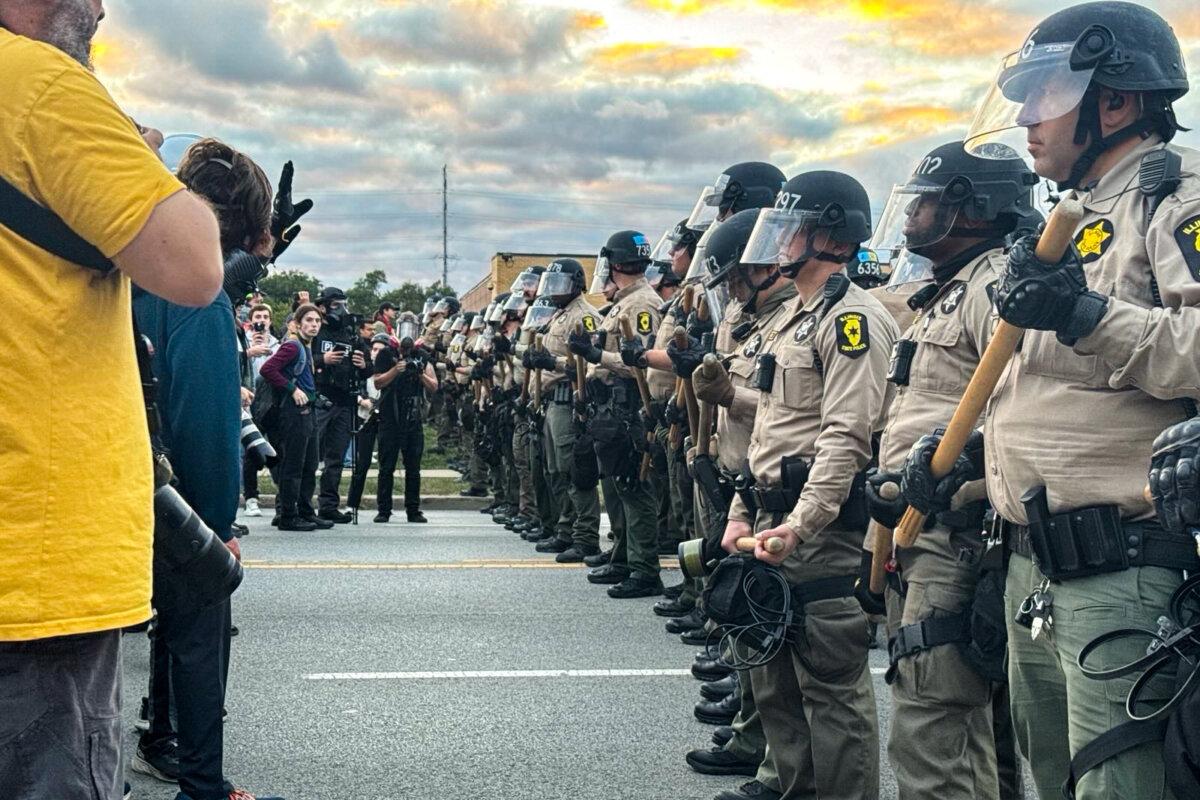
Illinois State Police stand guard as people protest in front of the Broadview Ice Detention Facility in Broadview, Ill., on Oct. 11, 2025. (NTD)
A study by the Prison Policy Initiative (PPI) showed that the number of ICE arrests is higher in states where there is cooperation with law enforcement.
“States like Florida, Texas, Louisiana, and Georgia have required local law enforcement to deputize staff to serve ICE, leading to high numbers of arrests,” PPI said in the Dec. 11 report. “Others like Illinois, New York, and Oregon have managed to suppress arrests by limiting cooperation and blocking access to sensitive areas of public buildings.”
ICE frequently conducts raids with state law enforcement under these agreements to arrest illegal immigrants. The agency announced on Jan. 30 that it had arrested 650 suspects in West Virginia that month, in partnership with 14 agencies in that state that had signed such agreements.
State Opposition
Before Trump’s second term, several states had restricted such agreements with ICE, including California, Illinois, New Jersey, Oregon, and Washington state. Other states have followed suit since Trump returned to office.
At the federal level, lawmakers from the Democratic Party have insisted on greater restrictions on ICE and introduced legislation to repeal section 287(g), which would terminate the agreements nationwide. The proposed repeal is unlikely to pass during the 119th Congress, which is led by Republicans who largely support federal enforcement to stop illegal immigration.
Some Democrats object to the agreements, saying the measures are cruel.
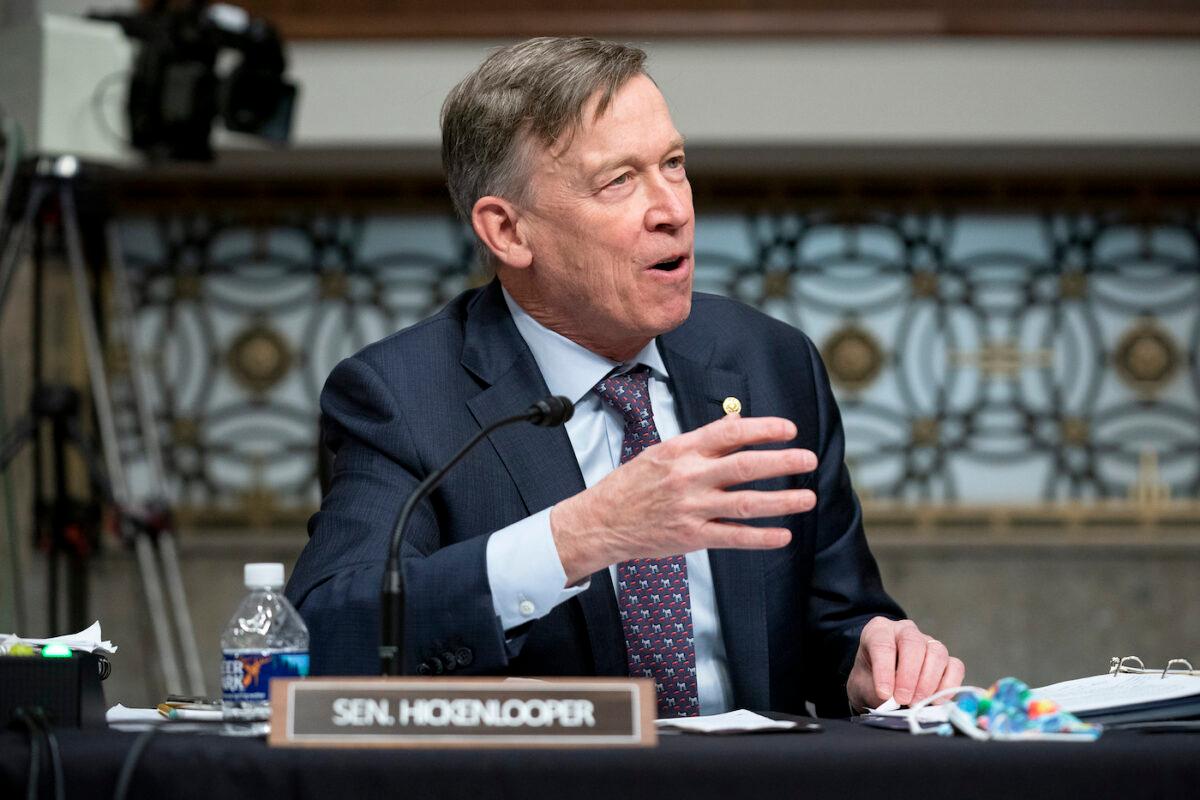
Sen. John Hickenlooper (D-Colo.) during a Senate committee hearing on Capitol Hill in Washington, on Jan. 11, 2022. (Greg Nash/Getty Images)
“ICE needs to have judicial warrants signed by a judge,” Sen. John Hickenlooper (D-Col.) said in a Jan. 29 statement. “They need to stop arresting children on the side of the road and end these cruel family separation policies.”
They also object to the removal of illegal immigrants who have not committed separate criminal offenses, and have criticized ICE for its allegedly aggressive tactics.
“The weaponization of local police officers for civil immigration enforcement – will not stand in New York,” New York Gov. Kathy Hochul said last month.
Hochul proposed the “Local Cops, Local Crimes Act” to void existing ICE agreements with local elected sheriffs, several of whom are Republicans.
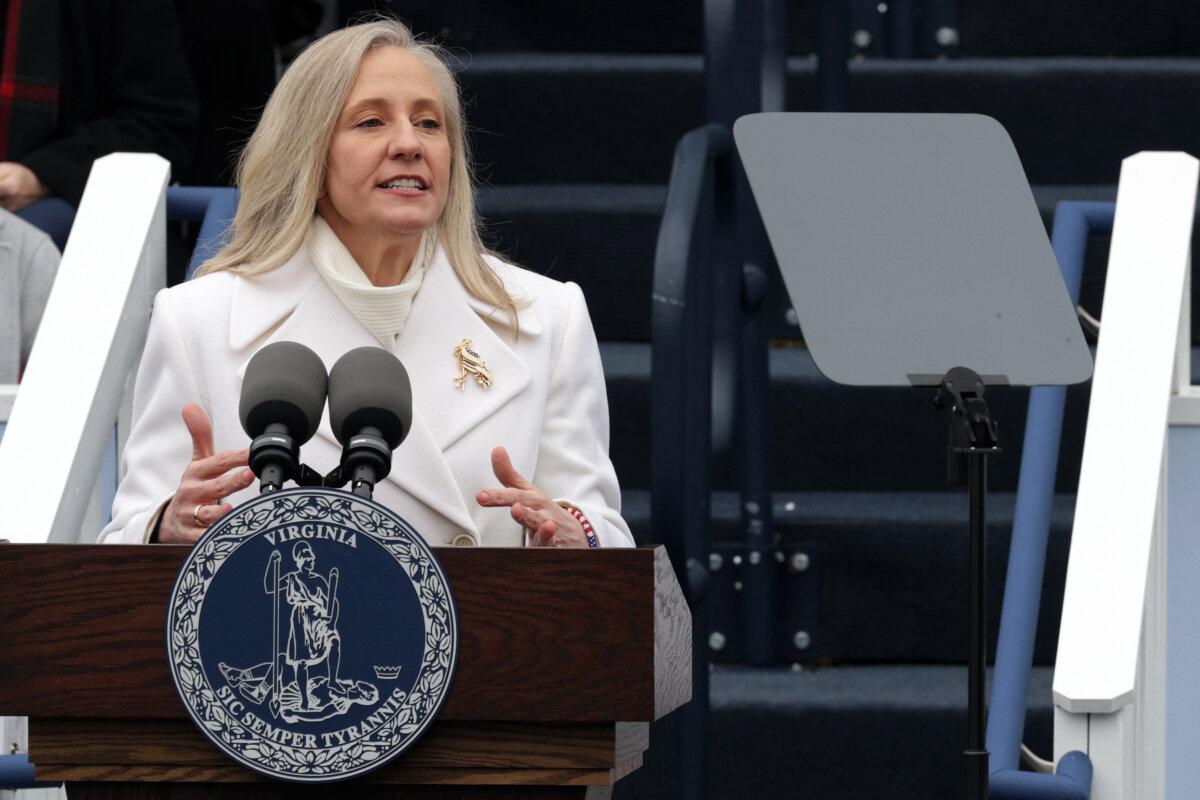
Virginia Gov. Abigail Spanberger speaks after being sworn into office at the Virginia State Capitol in Richmond, Va., on Jan. 17, 2026. (Alex Wong/Getty Images)
More recently, Virginia Gov. Abigail Spanberger signed directives that terminated Youngkin’s previous mandate of such agreements with Virginia law enforcement and banned new ones. A bill to permanently ban such agreements has also been introduced in the state senate.
In Delaware, the state enacted House Bill 182 in 2025, legislation that would ban such agreements if passed. It was the first state to do so in Trump’s second term. They were followed by New Mexico on Feb. 5. Nine states have banned such agreements, and more could be coming.
In Maryland, both houses of the general assembly passed separate bills on Feb. 3 to impose such a ban. A similar bill has been introduced in Hawaii, though it has not yet received a vote on passage.
Republicans Defend ICE
The Department of Homeland Security has defended immigration operations and said the agreements with ICE are valuable to public safety.
“The 287(g) Program benefits state and local law enforcement agencies in several ways — but most notably, it helps you keep your community safe from potentially dangerous criminal aliens,” ICE states on its website for law enforcement agencies.
“We encourage all state and local law enforcement agencies to sign a 287(g) agreement now,” ICE Deputy Director Madison Sheahan wrote in a Sept. 17 statement.
ICE has offered to pay overtime, bonuses, as well as reimburse salaries and benefits for state and local officers who participate in removal efforts under these agreements.
Republican lawmakers have said that terminating the agreements would prevent immigration enforcement.
“I believe Governor Spanberger’s action to terminate 287(g) agreements directly undermines law enforcement’s mission to protect Virginia communities!” Rep. Morgan Griffith (R-Va.) said in a Feb. 4 post on X regarding Virginia’s decision.
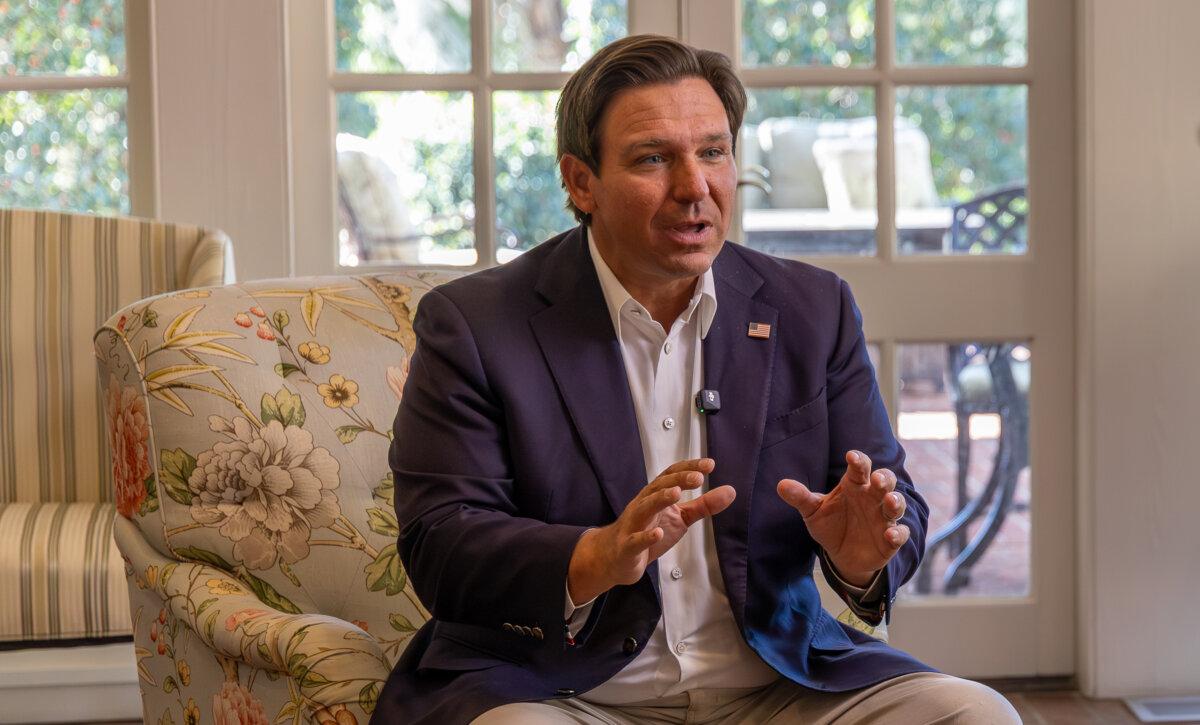
Gov. Ron DeSantis speaks to The Epoch Times at the Florida governor's Mansion in Tallahassee, Fla., on Jan. 16, 2026. (Natasha Holt/The Epoch Times)
In a Feb. 5 post on X, Florida Gov. Ron DeSantis said, “Virginia empowers illegal immigration, goes to sanctuary status.”
The Trump administration has defended its mass deportation policy and ICE’s conduct in executing it.
“The men and women at ICE, CBP and all of our federal law enforcement agencies put their lives on the line to arrest violent criminal illegal aliens,” the Department of Homeland Security said in a Feb. 3 post on X. “Sanctuary politicians will not slow us down.”