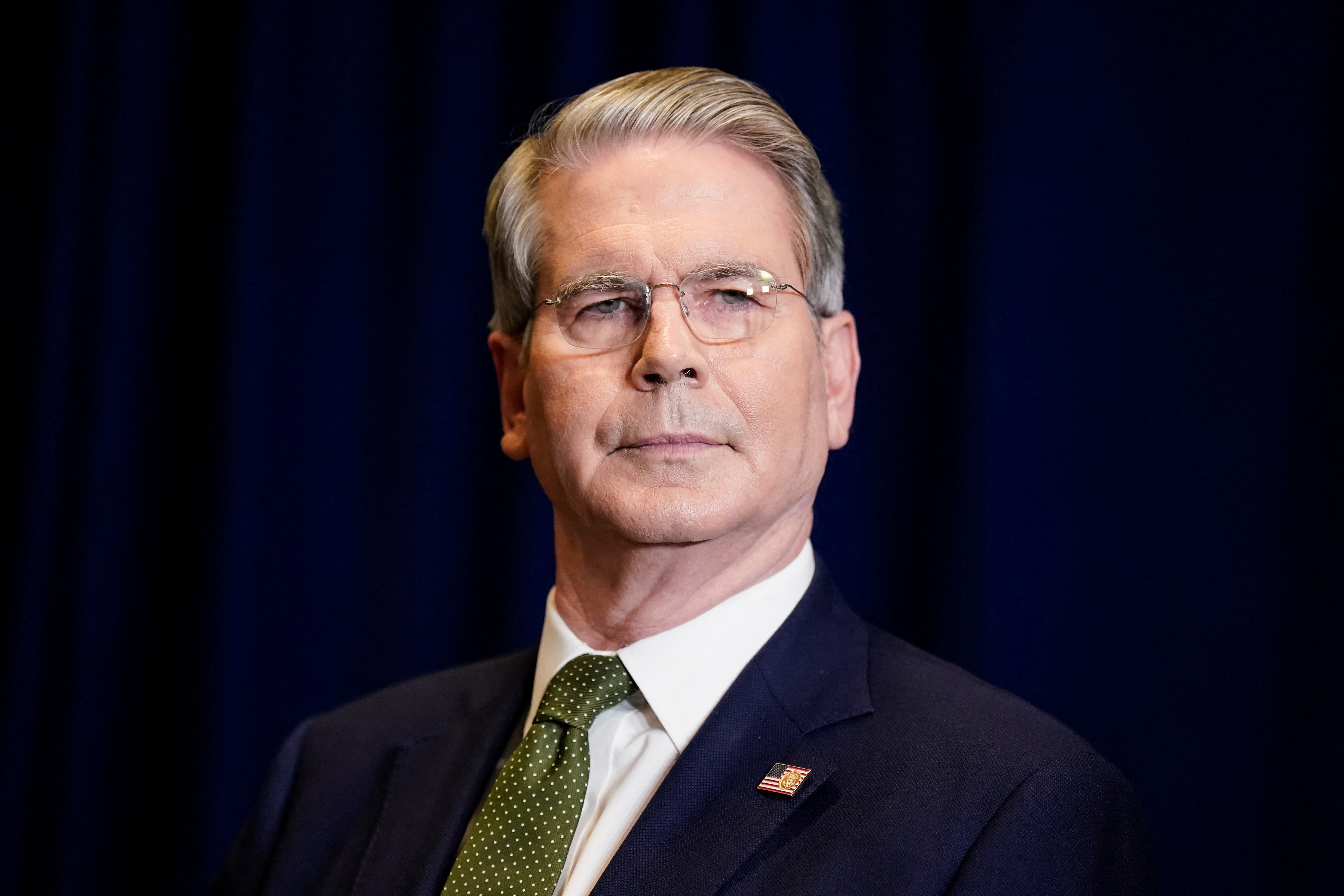

Treasury Secretary Scott Bessent said that if the Supreme Court rules against the Trump administration’s tariffs, the government still has the capacity to impose import taxes.
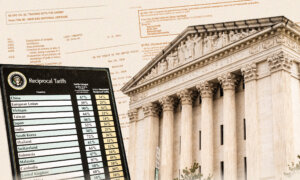
The high court is currently hearing a case on whether the Trump administration misapplied the tariffs under a 1977 law known as the International Emergency Economic Powers Act, which was invoked earlier this year to impose the duties on nearly every country in the world.
During an interview with The New York Times on Dec. 3, Bessent said, “We can recreate the exact tariff structure with [sections] 301, with 232, with 122,” referring to sections of the 1962 Trade Expansion Act.
He also said that the administration can impose tariffs permanently.
Bessent said the tariffs are a means to push countries into negotiations and deals on certain policies, claiming that the Chinese communist regime has made steps toward stopping the production of fentanyl precursors.
“Because of the fentanyl tariffs, the Chinese are making the first step forward that they’ve made [on trade],” he said.
Before the Supreme Court justices heard arguments in the tariff case last month, Bessent said that countries should assume that the tariffs aren’t going anywhere despite what the court says.
Countries that have negotiated tariff-lowering trade deals with President Donald Trump should honor those agreements, Bessent added.
“Those of you who got a good deal should stick with it,” he said.
The U.S. Court of International Trade in New York and the U.S. Court of Appeals for the Federal Circuit in Washington ruled earlier this year that Trump’s import taxes are illegal, prompting the administration to appeal to the Supreme Court.
Some companies are demanding refunds from the Trump administration on tariffs they have paid, although the Supreme Court has yet to rule on the matter. Late last month, Costco filed a complaint against the U.S. government to get money back.
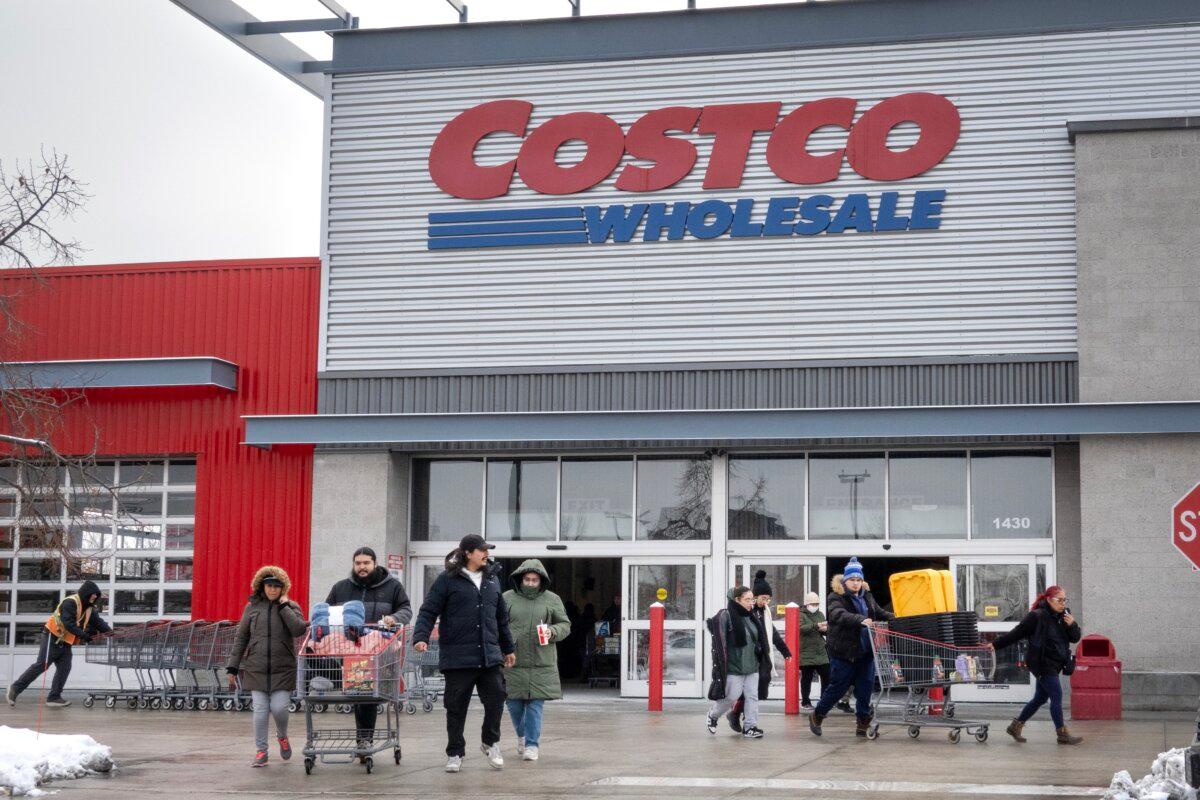
Customers walk in the parking lot outside a Costco store in Chicago on Dec. 2, 2025. (Scott Olson/Getty Images)
The Supreme Court case covers only a portion of the tariffs Trump has imposed this year, as the administration is already using other legislation for certain tariffs.
He has imposed tariffs under Section 232 of the Trade Expansion Act of 1962 involving national security concerns to protect strategic sectors, including autos, copper, semiconductors, pharmaceuticals, robotics, and aircraft. He has also imposed tariffs under Section 301 of the Trade Act of 1974 involving unfair trade practices investigations.
Bessent said that Trump can also invoke Section 338 of the Tariff Act of 1930, a statute that allows tariffs up to 50 percent on countries that discriminate against U.S. commerce.
Under Section 122 of the Trade Act of 1974, the United States can impose tariffs of 15 percent for 150 days to calm perceived trade imbalances, the secretary said at the time.
In recent days, Trump has repeatedly touted his tariffs, including during a Cabinet meeting on Dec. 2, at which he said that the revenue generated from the duties could skyrocket next year.
He also said that the tariff revenue could reduce the need for federal income taxes while also paying down the U.S. national debt and sending $2,000 payments to some Americans.
Reuters contributed to this report.