
Amid growing concerns about artificial sweeteners, many people have asked whether stevia can also change gut bacteria.
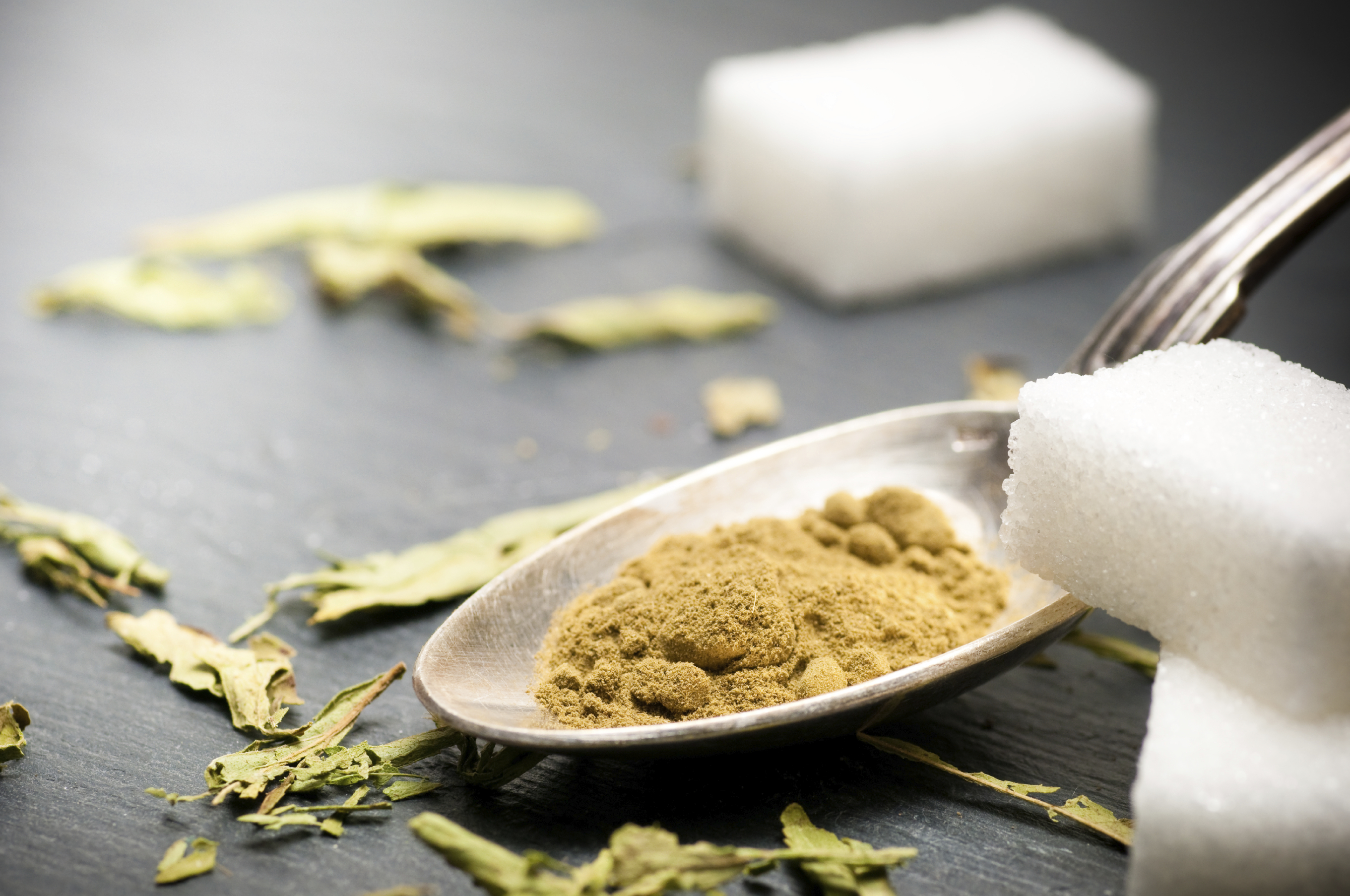
Stevia is a sugar substitute extracted from the leaves of a plant, Stevia rebaudiana, and is almost 200 times sweeter than regular table sugar.
In 2008, the FDA declared that stevia was safe in foods and beverages. Since it is taken in such small quantities and is not absorbed in the upper intestinal tract, it does not raise blood sugar levels.
However, very little research has been done on its effect on gut bacteria. Stevia passes to the colon where it is fermented by bacteria into glucose (an absorbable sugar) and then into steviol, a sugar alcohol, which passes out in the stool.
One study showed that stevia reduces the number of beneficial bacteria such as Lactobacillus reuteri, which may increase the risk for diabetes and weight gain. Lactobacillus reuteri helps to prevent heart attacks by lowering cholesterol and is used to treat diarrhea in children. However, another study found stevia did not change human fecal cultures incubated with either stevioside or rebaudioside A.
Stevia Products Are Often Adulterated
If you want to use stevia, make sure you read the list of ingredients on the label.
All No-Calorie Sweeteners Lie to Your Brain
I suggest trying to break the habit of sweetening drinks and learn to quench your thirst with water or a nonsweetened beverage, such as tea or coffee.
My Recommendations
I will watch for further research on stevia. Meanwhile, I suggest that if you want to use it, grow your own (one small plant will give you plenty) or buy it in dried-leaf form where you can see what you are consuming.
Once stevia is reduced to a powder and packaged for sale in packets, pellets, or as part of another food product, you have no idea what you are actually getting.
Gabe Mirkin, M.D., has been a practicing physician for over 50 years. He is board-certified in sports medicine, allergy and immunology, pediatrics, and pediatric immunology. This article was originally published on DrMirkin.com. Subscribe to their free weekly Fitness & Health newsletter.