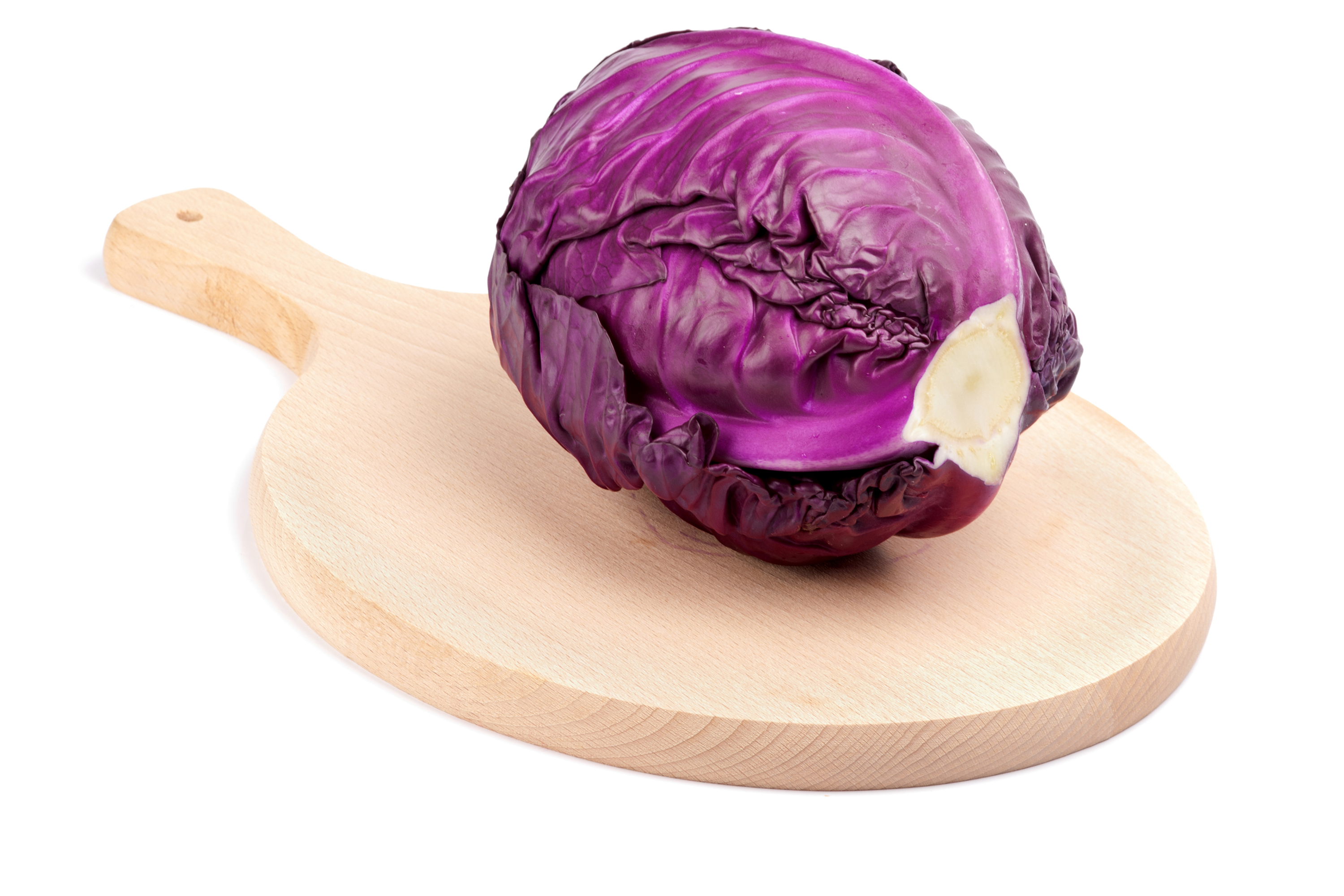
Sauerkraut, a must for stadium brats and roast pork, is simple and easy to make. It relies on a simple hands-off recipe that requires just two ingredients—cabbage and salt.
Given the right conditions, the two create enough acid to preserve the vegetable. The same process is also used to make sour dill pickles, kimchi, and hot sauces like Tabasco, in which the chile peppers are fermented and blended into a paste.
The method, called lacto-fermentation, dates back thousands of years and was used by many cultures, from Korean and Chinese to Eastern European. Unlike “pickling” that relies on the acid in vinegar to flavor and preserve vegetables, this process engages a specific kind of bacteria—lactobacillus—to create the acid to do its thing. Think of sauerkraut as the gateway to other lacto-fermented vegetables. Once you get the hang of it, move on to kimchi, dill pickles, hot sauces, and more.
Unlike pickling, there’s no cooking involved. The shredded cabbage is mixed with kosher salt and stored in a ventilated jar. In just a week’s time, the naturally occurring bacteria on the leaves converts the cabbage’s sugars into the acid to give the kraut its distinct sour flavor, which will become stronger over time. Taste it along the way, and when it reaches the desired level of pungency—that snap and pop—transfer it to the refrigerator to slow the fermentation process.
The sauerkraut will keep for several months in a covered jar in the refrigerator, ready to pile onto brats and simmer with apples for roast pork or chicken. It sparks Reubens, grilled cheese, and tuna salad sandwiches, and punches up hearty beef stews and hefty hot dishes.
I like it best with smoked salmon or piled on griddled open-faced corned beef and Swiss cheese sandwiches on rye. Try it as open-faced appetizer sandwiches. Use thinly sliced rye bread, spread with homemade Thousand Island dressing (see recipe) and layer with corned beef and Swiss cheese. Lightly broiled and then garnished with the kraut, it’s a quick light dinner or a snappy addition to your game-day feast.
Red Cabbage Sauerkraut
Makes about 8 cups.
- 1 medium red cabbage (about 3 pounds)
- 2 tablespoons kosher salt
- 1 teaspoon caraway or fennel seeds, optional
Halve the cabbage through the stem and remove the core. Cut each half in half, and then shred the cabbage. Place the shredded cabbage in a large bowl. Sprinkle the salt over the cabbage and, using clean hands, massage the cabbage until it becomes limp, releases its juices, and is reduced by half in volume, working in the caraway or fennel seeds, if using.
Transfer the cabbage and its juices into clean jars and use a wooden spoon to pack it down. Put a cabbage leaf on top of the shredded cabbage to help keep the cabbage covered with the juice. Keep packing it down through the day to ensure the cabbage is covered with juice. The cabbage should be fully submerged in the liquid; if it’s not, dissolve 1 1/2 teaspoons of kosher salt in 1 cup of room temperature water and add to the jars. At the end of the day, place lids on the jars, but do not screw them on tight; This allows the sauerkraut to “breathe” as it ferments.
Store the jars at room temperature in a dark place, keeping them covered for at least 5 days and up to 2 weeks. Start tasting the sauerkraut after 5 days, it should be briny and tangy. The longer it sits, the stronger the flavor. When it’s ready, tightly screw on the lids and store in the refrigerator for about 4 months.
Thousand Island Spread
Makes 1/2 cup.
All the flavors of the dressing, but in spreadable form. From Beth Dooley.
- 1/3 cup mayonnaise
- 2 tablespoons ketchup
- 1 tablespoon dill pickle relish
Put all of the ingredients into a small bowl and stir to combine. Store in a covered container in the refrigerator for up to 3 months.
Dear Readers: We would love to hear from you. What topics would you like to read about? Please send your feedback and tips to features@epochtimes.nyc.