Australian researchers found that most young people exposed to online trigger warnings—brief notices alerting users to potentially distressing material—choose to ignore them.
The study, published in the Journal of Behavior Therapy and Experimental Psychiatry, followed 261 participants aged 17-25 over a week, asking them to record encounters with trigger warnings, whether they chose to engage with or avoid the content, and their reasons for doing so.
The study suggests that while trigger warnings give users a choice, they may not significantly reduce exposure to potentially distressing content.
Curiosity over Caution
Despite the expectations that trigger warnings might prompt avoidance, the results showed otherwise.
Ninety percent of participants who saw warnings still opted to view the content, not because they felt prepared or protected, but out of simple curiosity.
Most warnings were shown to users on Instagram (36 percent), followed by Tiktok (30 percent), and X (17 percent).
Violence and physical injury (including medical injuries and disease) were the most common types of content that was accompanied by warnings.
Lead author Victoria Bridgland said these findings challenge prior assumptions about the protective effects of trigger warnings.
“Trigger warnings seem to foster a ‘forbidden fruit’ effect for many people whereby when something is off-limits, it often becomes more tempting,” Bridgland said in a statement, noting the short and vague nature of trigger warnings leave people curious about what is behind them.
“This may be because negative or disturbing information tends to stand out and feel more valuable or unique compared to everyday information.”
The results support the idea that warnings “paradoxically” cause people to be more curious about negative content.
Prior studies only examined trigger warnings in experimentally manipulated settings, but none have done so in the context of daily life.
These results aligned with earlier research, which showed that warning screens on social media platforms do not deter users from viewing graphic content.
Bridgland says trigger warnings are generally well-intentioned, but the evidence now points to their limited effectiveness in actually reducing exposure to difficult content.
When Warnings Fail Those Most at Risk
The study also examined whether people with mental health risk markers—including trauma history and PTSD symptoms—were more likely to avoid content marked by warnings.

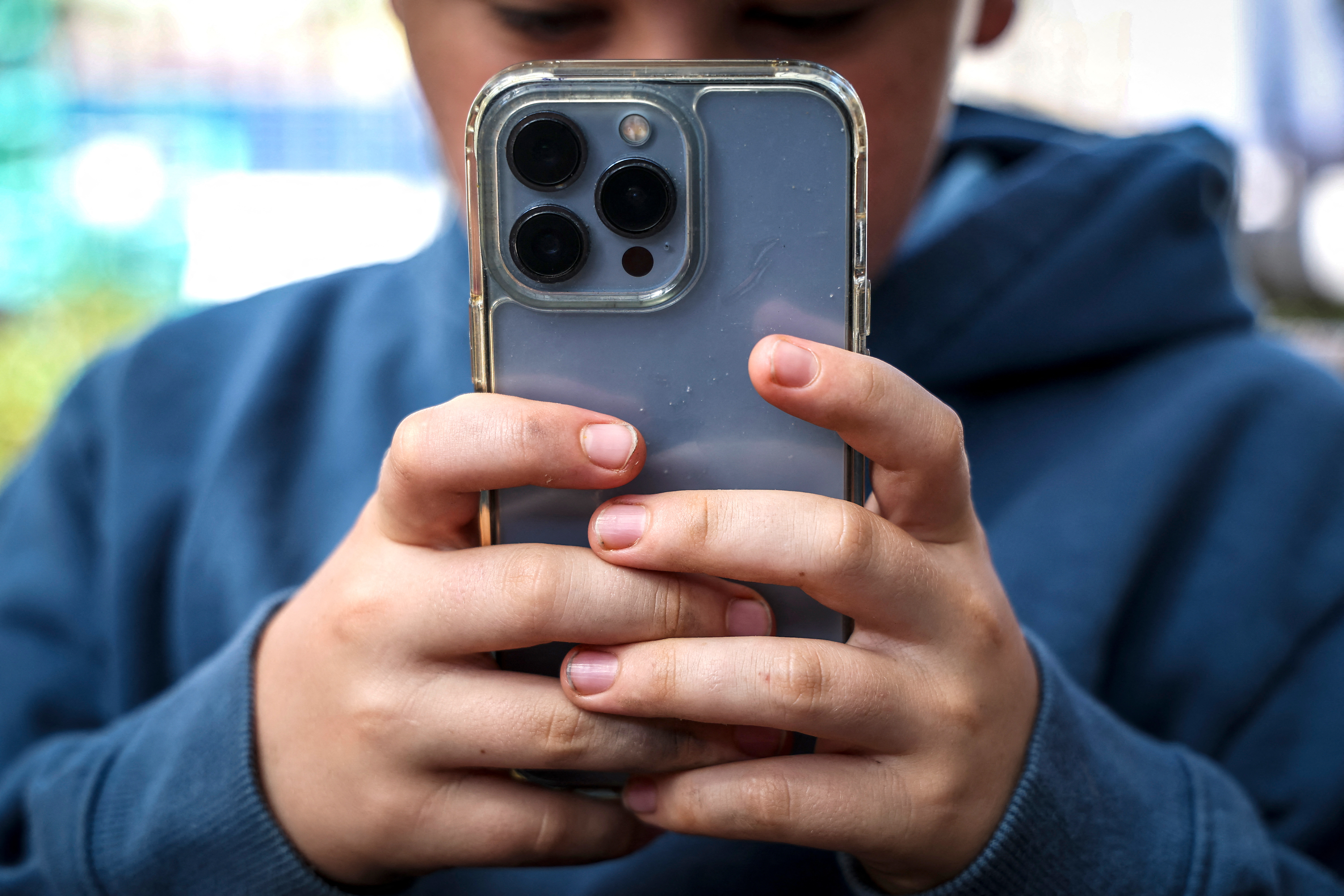
Trigger warnings commonly appear as notices on social media posts. (Stringer/AFP via Getty Images)
The results for this cohort showed that these factors did not influence the decisions participants made. Those with psychological distress were just as likely to engage with flagged material as other participants.
One participant with mental health concerns reported that content warnings do not work, and described that their brain wanted to be triggered, so the content grabbed their attention.
The study noted this was concerning, drawing similarities to the “self-triggering” response, a behaviour where some individuals with PTSD intentionally engage with content that evokes their traumatic experiences.
Rethinking Online Support Tools
Trigger warnings are widely used across social media and educational settings. Initially, they were intended to emotionally prepare people to cope with potentially negative content and to avoid it completely.
Bridgland says we need to reconsider how and why we use these warnings.
“Trigger warnings might not be overtly harmful, but they also might not be helping in the way we think they are,” she said.
“It’s time to explore more effective interventions that genuinely support people’s wellbeing.
“Social media platforms should consider inbuilt tools users can seek in cases where they encounter graphic content.”