Every October, the leaves turn red, signifying the seasonal shift, jack-o’-lanterns illuminate sidewalks, and for thirty-one days straight, one would be hard-pressed to walk into a grocery store without hearing Michael Jackson’s Thriller.
On the 31st, the streets come alive with tiny superheroes, ghouls, and ghosts darting from door to door to collect candy as if it were an Olympic sport. Parents smile, neighbors interact, and for one enchanting night, our neighborhood resembles one in which we all long to live again.
Yet underlying the joy and nostalgia is the far more disconcerting realization that a holiday once rooted in family and connection has become synonymous with candy—and lots of it.
A Holiday Built on Sugar
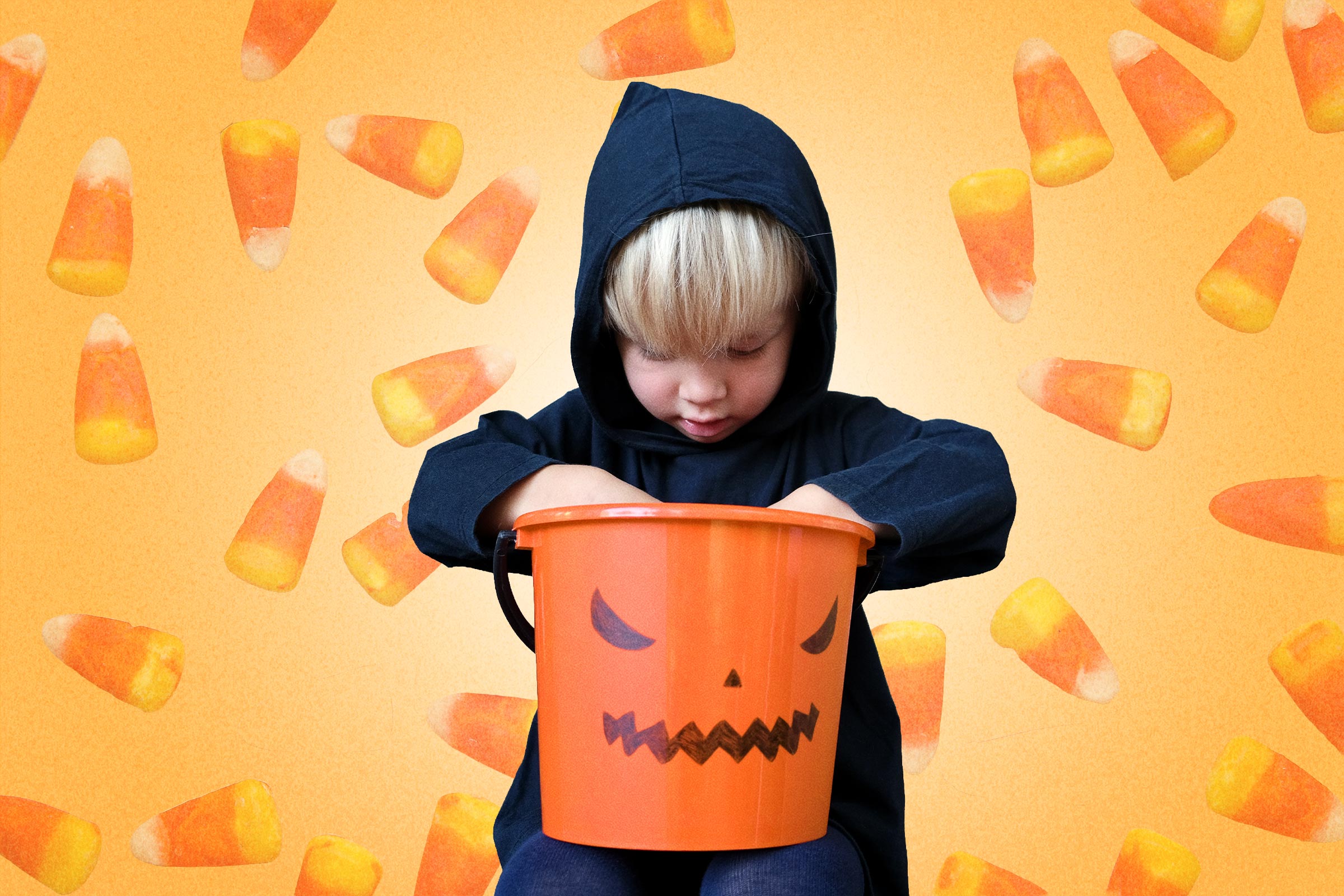
Perhaps the scariest thing about Halloween isn’t the eight-foot-tall, animatronic lawn skeleton with glowing red eyes, but the megadose of high fructose corn syrup that we allow our children to ingest on a single day. Halloween has become one of the biggest junk food events of the year. Americans now spend more than $3.9 billion annually on Halloween candy—second only to Easter in sales of sweets. The average child eats the equivalent of three cups of sugar in a single night.
That level of intake doesn’t merely spike energy—it causes inflammation, weakens the immune system, disrupts sleep, and fuels the chronic disease epidemic already affecting so many children. Pediatricians see it every year: the sugar crash that rolls right into “flu season.” Maybe it’s not just that there are viruses, but that our unhealthy choices promulgate them.
How Did We Get Here?
Halloween wasn’t always about candy. Halloween hails from the ancient Celtic festival of Samhain—a festival marking the end of the summer harvest and the start of the darker months—the day when it was believed that the spirits of the dead returned to Earth. Yes, long before the advent of M&Ms, foods such as bread, grains, and fruit were offered to appease the spirits.
Even in early 20th-century America, children went “souling” or “guising,” trading songs or prayers for homemade treats like nuts, apples, or popcorn balls. By the 1950s, the candy companies saw the opportunity for profit. They packaged sugar into bite-sized bars, marketed it as “fun,” and sold us a new tradition.
In the 1970s, media stories about “poisoned” homemade treats—although almost entirely unfounded—made store-bought candy the only socially acceptable option. Parents were scared, corporations profited, and a new normal was born.
What Other Countries Do
Surprisingly—or maybe not so surprisingly—in most of the rest of the world, Halloween doesn’t revolve around candy.
In Mexico, Día de los Muertos centers on honoring loved ones with altars and traditional foods.
In Ireland, where Halloween began, families celebrate with bonfires, games, and small homemade pastries.
In Japan, Halloween is marked by costume parades—a celebration of creativity—not consumption.
In France and Italy, the holiday is about remembrance—not Reese’s.
We’ve allowed corporations to monopolize meaningful tradition.
Finding Balance
It’s not about banning candy or robbing kids of fun. It’s about reclaiming balance and teaching kids that high-fructose corn syrup isn’t tantamount to joy.
In lieu of candy, we could offer small toys, stickers, or glow sticks. Or, we could purchase candy made without artificial dyes or high-fructose corn syrup.
Alternatively, the Switch Witch provides a fun way to keep the magic of Halloween without the sugar overload. Kids still collect candy. However, at night, they leave some, or all of it, out for the friendly “Switch Witch,” who trades it for a small toy or surprise. It’s a simple tradition that turns excess into imagination—reminding kids that the real treat isn’t sugar, but creativity, surprise, and balance.
Admittedly, candy is relatively inexpensive, and oftentimes, healthier alternatives cost more. The real question, though, is what do we value? If we truly value the health of our children and the well-being of our community, we can and should reconsider the paradigm.
The Next Chapter
Less than a century ago, Halloween was about community and family. Somewhere along the way, we swapped these values for sugar.
Over the past year, the Make America Healthy Again movement has engendered sweeping reforms in the food industry, grounded in a deeper devotion to health and a recognition that our food is contributing to the chronic disease epidemic in this country. Does this growing awareness of ingredients and their impact on our health signify the inception of a shift? Will this newfound understanding permeate other cultural practices, including, yes, even Halloween?
Maybe, this is the year we reclaim our children’s health—one choice, one family, one neighborhood at a time.
Because the sweetest thing we can give our kids isn’t candy.
It’s health.
It’s connection.
It’s the freedom to celebrate without being hooked on the very thing that’s making us sick.
Dr. Joel “Gator” Warsh, an integrative pediatrician and author of “Between a Shot and a Hard Place,” is married to Sarah Intelligator, Esq., a holistic family divorce lawyer and author of “Live, Live, Find True Love.” Together, they have two wonderful children.