Health Secretary Robert F. Kennedy Jr. and officials at the Department of Health and Human Services have changed recommendations and policies for multiple vaccines, including shots against COVID-19 and measles.
Here is what has changed so far.
COVID-19 Vaccines
The Centers for Disease Control and Prevention now calls for individuals to speak with a health care provider about risks and benefits before receiving a COVID-19 vaccine, a change
approved on Oct. 6.
Kennedy wrote on X that the move amounted to “restoring informed consent.”
The CDC in May, under orders from Kennedy, stopped recommending COVID-19 vaccines for healthy children and pregnant women. But the agency still had near-universal recommendations in place.
The Food and Drug Administration later revoked emergency authorizations for the vaccines. The agency also approved four shots for narrower populations: those younger than 65 who have an underlying condition and all those 65 years of age and older.
The CDC’s Advisory Committee on Immunization Practices (ACIP) then told the CDC to update its guidance on COVID-19 vaccines to reclassify them as “shared clinical decision-making” vaccinations. Vaccines in this category are not routine or risk-based; rather, the decision to receive them should be “individually based and informed by a decision process between the health care provider and the patient or parent/guardian,” according to ACIP. Jim O'Neill, CDC acting director and Health and Human Services deputy secretary, approved the recommendation.
Measles, Mumps, Rubella Vaccine
President Donald Trump recently
encouraged people to take separate vaccines against measles, mumps, and rubella. Stand-alone options, though, are not currently available in the United States. O'Neill on Oct. 6 backed Trump and
called on manufacturers to produce monovalent vaccines against the diseases.
Kennedy told a Senate panel on Sept. 4 that he did not expect a change to the combined measles, mumps, and rubella vaccine (MMR).
The United States in 2025 has recorded the most cases of measles since 1992.
Kennedy said the vaccine limits the spread of measles and that people should get it. He also raised concerns about side effects, which can include seizures and pneumonia.
Officials in Texas, the state that has recorded the bulk of the cases, announced on Aug. 18 that the measles outbreak there is over. New cases have been cropping up in other states, including South Carolina.
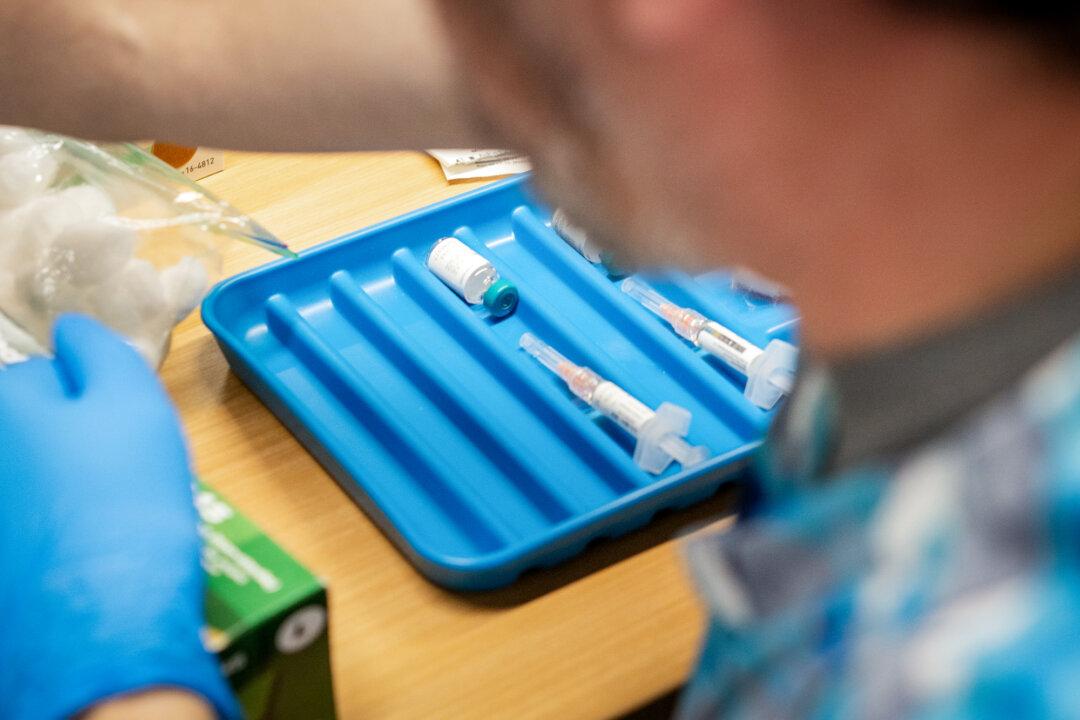
A tray of measles, mumps, and rubella vaccine vials at a clinic in Lubbock, Texas, on March 1, 2025. President Donald Trump recently encouraged people to seek separate vaccines for measles, mumps, and rubella, although stand-alone shots are not currently available in the United States. (Jan Sonnenmair/Getty Images)
Varicella Vaccine and MMRV
The CDC in an October update
endorsed stand-alone varicella vaccinations for younger children because they face an elevated risk of febrile seizures if they receive the measles, mumps, rubella, and varicella (MMRV) combination vaccine.
The CDC’s immunization schedule lists a first dose against measles and varicella at about the time of a child’s first birthday. It is recommended that children get a second dose when they are 4, 5, or 6 years of age.
The CDC previously recommended both the MMR and MMRV vaccine options. It still recommends MMRV vaccination for a child’s second dose because the higher seizure risk has not been apparent for older children.
The update was based on advice from the reformed ACIP. All of its members were chosen by Kennedy after the removal of existing members.
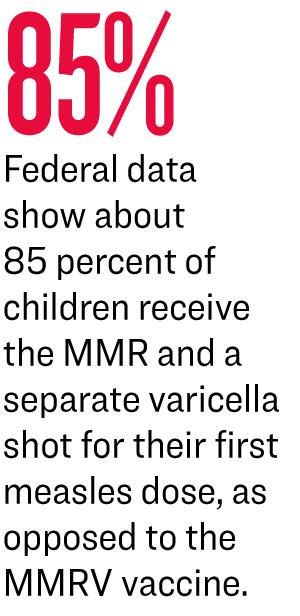
Many pediatricians already promote the MMR plus varicella vaccine option. According to federal data, about 85 percent of children typically receive those vaccines as opposed to the MMRV vaccine for their first measles dose.
Hepatitis B Vaccine
The ACIP had been prepared to vote on advising the CDC to delay the first dose of the hepatitis B vaccine from shortly after birth to at least 1 month of age, but advisers ended up
tabling the motion. Some indicated that they wanted to examine the entire hepatitis B vaccine schedule, while others said they wanted to keep the schedule as it is.
“We need to postpone that because we need to really have the data to address whether or not hepatitis B vaccine should be administered to children at all,” Dr. Robert Malone, one of the advisers, said later.
It is not clear when the matter will be revisited.
Many other countries start the hepatitis B vaccine regimen at 2 or 3 months of age, if they have a regimen at all.
Trump said in remarks about vaccines that he thinks that children should not receive the hepatitis B vaccine until they are adolescents, as an Independent Women’s Forum report recommends. Some other groups, including the American Academy of Pediatrics, support the current schedule.
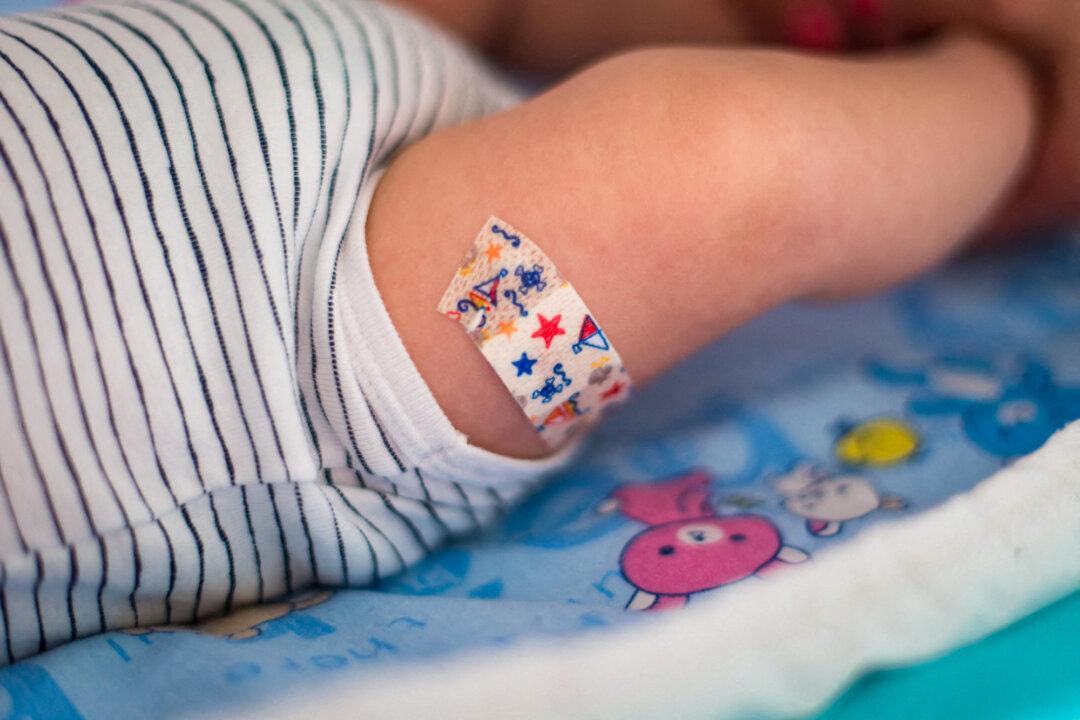
Illustration of a baby after his first hexavalent vaccination, with a Band-Aid placed on his thigh, in this file image. Advisers to the Centers for Disease Control and Prevention are reviewing the childhood immunization schedule, which has grown from five vaccines in 1995 to about a dozen today. (Riccardo Milani/AFP via Getty Images)
Influenza Vaccines
ACIP recommended that the government keep in place its recommendation that people at least 6 months of age receive an influenza vaccine each year.
Advisers also said officials should stop backing influenza vaccines containing thimerosal, a mercury-based preservative, because of concerns over cumulative mercury exposure.

Over the summer, with no CDC director in place, Kennedy signed off on both recommendations.
“Injecting any amount of mercury into children when safe, mercury-free alternatives exist defies common sense and public health responsibility,“ he said in a statement about thimerosal. ”Today, we put safety first.”
RSV Vaccines and Antibodies
In August, then-CDC Director Susan Monarez approved another recommendation from the advisory committee. It recommended that infants receive an antibody for respiratory syncytial virus (RSV) during their first respiratory virus season. The season starts in the fall.
The product, clesrovimab, provides an alternative to Beyfortus, an antibody that is already approved and recommended.
One of the advisers later said the data the panel heard appeared to be manipulated, while Monarez was later fired.
Kennedy over the summer also approved the panel’s advice to expand the recommendation for RSV vaccination from individuals aged 60 to 74 who face an increased risk of severe disease to people aged 50 to 74 who face an increased risk.
The vaccines continue to be recommended for adults 75 years of age and older, regardless of health.
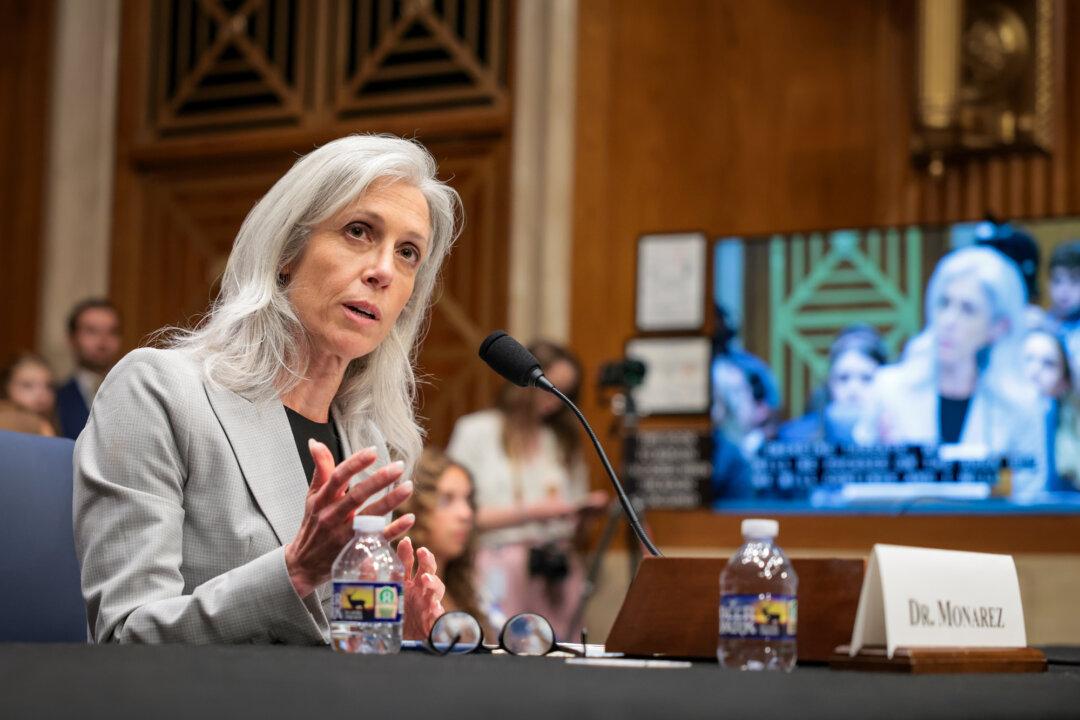
Susan Monarez, nominee for director of the Centers for Disease Control and Prevention, testifies during her Senate confirmation hearing in Washington on June 25, 2025. In August, Monarez approved an advisory committee recommendation to offer an antibody against respiratory syncytial virus to infants during their first respiratory virus season, which starts in the fall. (Kayla Bartkowski/Getty Images)
HPV Vaccine
CDC advisers had been scheduled to vote in June on whether to expand the recommendation for the human papillomavirus vaccine to children ages 9 and 10.
The vaccine is currently recommended for children ages 11 and 12.
The vote was removed from the meeting agenda after Kennedy replaced the panel’s members.
In meetings of the reformed committee, members have neither been presented with information about the human papillomavirus vaccine nor voted on altering the recommendation.
Chikungunya Vaccine
The Food and Drug Administration in August
suspended one chikungunya vaccine because, regulators said, data indicated that it was no longer safe.
The data included reports of serious adverse events, such as cardiac problems, following vaccination.
Another vaccine against chikungunya virus is still available in the United States.
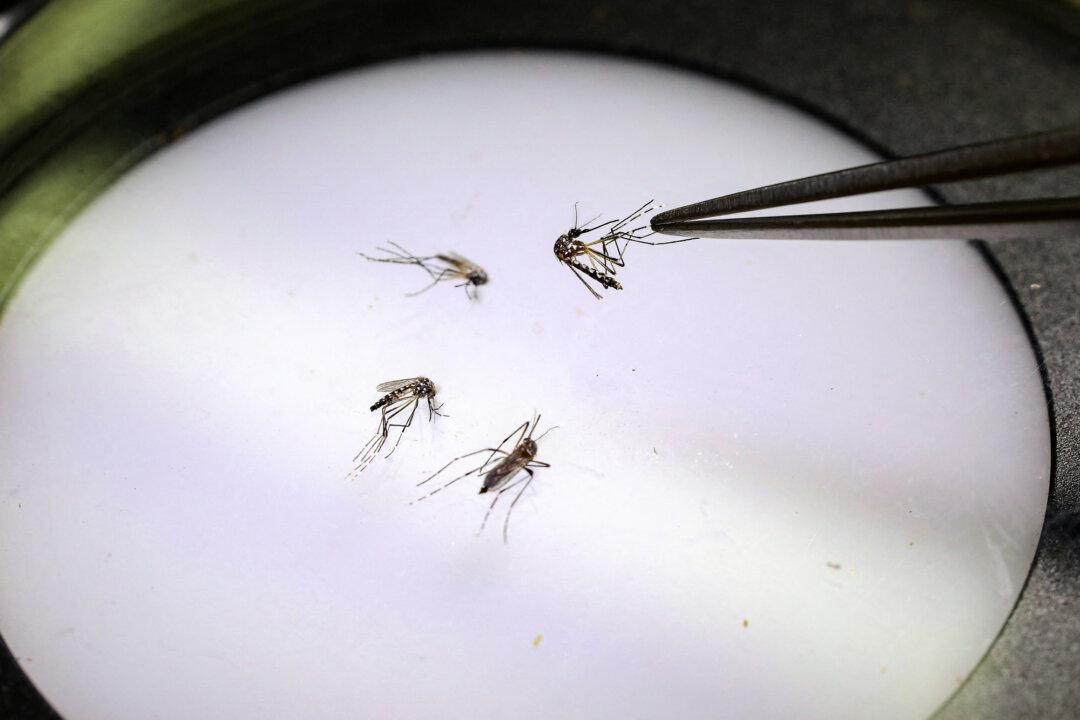
A laboratory technician holds a mosquito at the World Mosquito Program factory in Medellín, Colombia, on June 4, 2024. Scientists have long released biologically modified mosquitoes to curb transmission of diseases such as chikungunya. (Jaime Saldarriaga/AFP via Getty Images)
Polio and DPT Vaccines
No changes have been made regarding the poliomyelitis, or polio, vaccine.
“I support the polio vaccine,” Kennedy said in his confirmation hearing.
Diphtheria, tetanus, and pertussis vaccine recommendations have also remained the same.
Like the polio vaccine, that shot is on the childhood immunization schedule.
Vaccine Schedule
CDC advisers are studying the childhood immunization schedule, which has gone from having
five vaccines in 1995 to about a dozen
currently.
“[The work includes looking] at interaction effects, or if it’s best to do one vaccine before another,” ACIP Chairman Martin Kulldorff said on Sept. 18.

The CDC states on its website that the immunization schedule “is safe and effective at protecting your baby.”
The recommendations are technically not requirements, but all 50 states and the District of Columbia require many of the recommended vaccines for school attendance, and virtually all cite the schedule.
The CDC is facing a lawsuit over the schedule, with doctors alleging that the agency has not adequately tested it.

The Centers for Disease Control and Prevention headquarters in Atlanta on May 21, 2024. (Madalina Vasiliu/The Epoch Times)
Vaccines During Pregnancy
A workgroup of the CDC vaccine advisory panel is examining vaccines for pregnant women.
“We always have to be very, very careful and considerate with not just vaccines but with drugs, or anything that we give to a pregnant mother, because of risk of, for example, birth defects,” Kulldorff said in the September meeting.
While the CDC had stopped recommending COVID-19 vaccination during pregnancy in May per Kennedy’s directive, it added COVID-19 vaccination for pregnant women back to the immunization schedule on Oct. 7.
No other recommendations for vaccines during pregnancy have been changed.
The CDC recommends whooping cough, influenza, and RSV vaccination for pregnant women.

Martin Kulldorff speaks during a meeting of the Centers for Disease Control and Prevention's Advisory Committee on Immunization Practices in Chamblee, Ga., on Sept. 18, 2025. The federal vaccine advisory group, appointed by Health Secretary Robert F. Kennedy Jr., is to make recommendations on who should receive COVID-19 vaccinations and whether all babies should get vaccinated against hepatitis B at birth. (Elijah Nouvelage/Getty Images)
Vaccine Injury Court
Kennedy is considering updating the list of vaccine injuries eligible for government compensation to include symptoms of autism, an adviser
said on Sept. 25.
The list is used in the National Vaccine Injury Compensation Program, which was established by Congress to award money to people who have or have likely suffered vaccine injuries. The law that established the program also granted vaccine manufacturers broad immunity.
Kennedy told CBS that he would like to expand the table of injuries and broaden the definitions for seizures and encephalopathy, conditions from which some autistic people suffer.
Kennedy said the court was intended to be compassionate and sensible but has turned into “a disaster for the families of injured children.”
The program currently has a backlog of thousands of cases, according to officials, and just eight special masters adjudicating the cases.