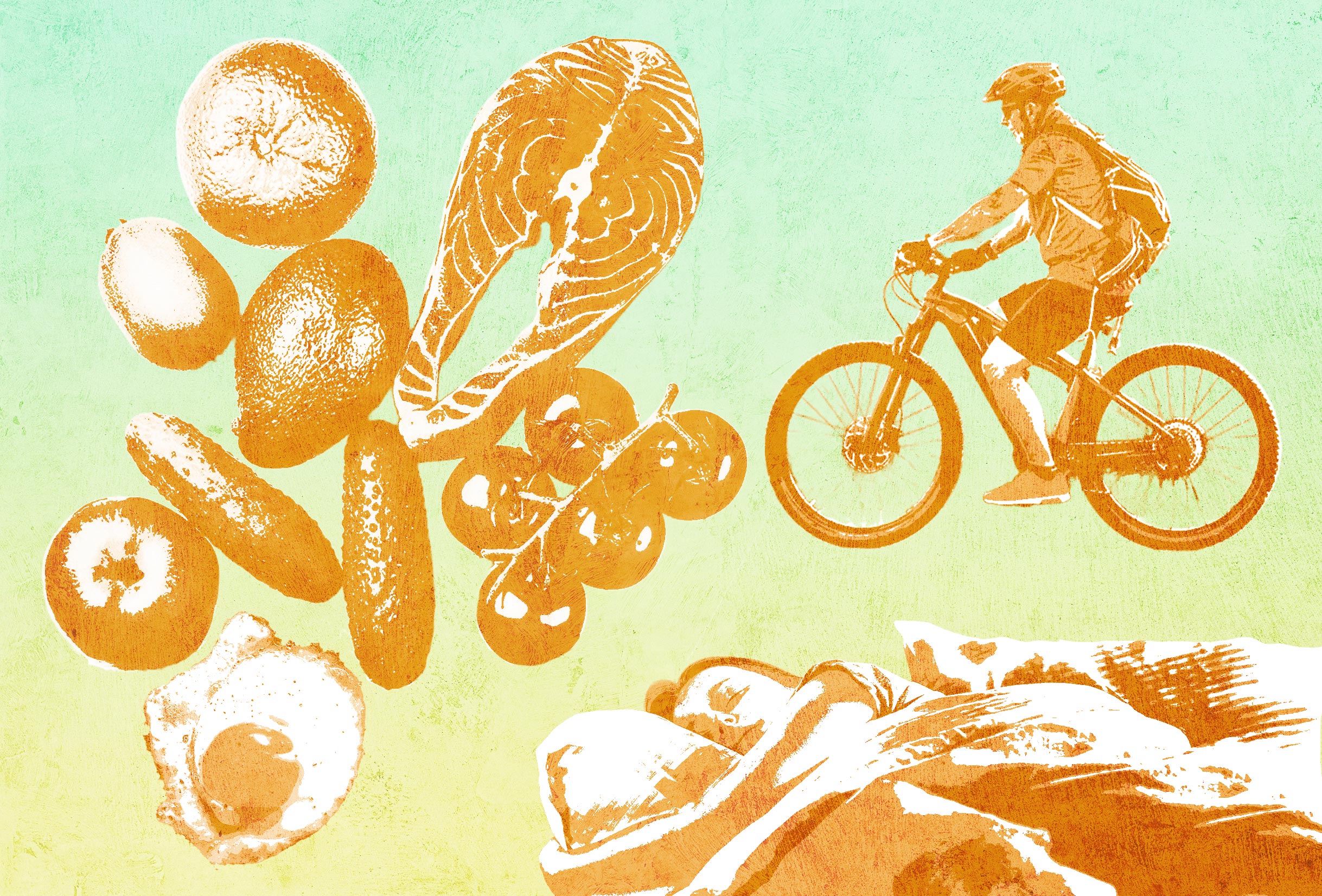
Lia Hasier’s breast cancer diagnosis in 2022 was disorienting. She was not unhealthy before it, as she regularly prioritized exercise and healthy eating. So she became curious about what she might have been doing wrong and how she could prevent a recurrence.
The 48-year-old mother of two now avoids all added sugar, chips away at exposure to cancer-causing chemicals, does daily gratitude journaling, and continues to learn about the ways her body works at the cellular level to prevent cancer.
“There’s always room to make changes, but not all at one time because it’s overwhelming and you get discouraged and you get frustrated,” Hasier told The Epoch Times. “I always tell people to start small with one thing and focus on that. And then next week, add something new.”
Her instincts reflect something that researchers and clinicians are increasingly emphatic about: Cancer prevention is not only possible—it’s biological. Understanding the specific pathways through which cancer develops makes the case for lifestyle change far more concrete than broad warnings about obesity or inactivity ever could.
Prevention Is Possible
Patients typically experience a physical or emotional vulnerability that precedes cancer, according to Dr. Leigh Erin Connealy, medical director at the Cancer Center for Healing in Irvine, California.
“When you go back from the time of conception and get the full history of the patient, you can pinpoint very accurately why they have cancer—they took 30 rounds of antibiotics and destroyed their microbiome, they’ve been battling a divorce, child problems, major trauma, and drama. It’s all right there,” she told The Epoch Times.
At least 30 modifiable factors cause cancer, according to a study in Nature Medicine. Nearly 40 percent of all cancer cases globally were preventable—for women, three in 10 cases, and for men, five in 10. Among the top causes were tobacco smoking, high body mass index, insufficient physical activity, suboptimal breastfeeding, air pollution, and infections. Alcohol consumption is another top cause, and it’s rising in women who are joining the workforce.
Part of the problem, Connealy noted, is that few people take inventory of how they feel or whether their mind and body are in sync.
“We are so busy that we are not doing self-reflection,” she said. “The brain is hijacked with all this external stuff that is not going to help you get healthy. What helps you get healthy is you. You are the miracle.”
Cancer’s 5 Pivotal Pathways
Knowing that obesity and lack of exercise contribute to the development of cancer historically rarely motivates change on its own. However, a deep understanding of the biological pathways and why they fail offers something more useful: a detailed picture of vulnerabilities and how easy they are to address, according to Lise Alschuler, a naturopathic physician who is board-certified in naturopathic oncology.
“There are ways in which the body silences some genes and promotes the action of other genes, and it turns out that the silencing and the promotion of certain genes is influenced by the information the cell takes in, which in turn can be derived from our habits,” she told The Epoch Times.
Here are the five pathways and what disrupts each one.
1. A Weakened Immune System
The immune system runs constant surveillance for malignancies. For cancer to develop, it must evade
immune surveillance, a two-layer defense involving the innate immune system—your built-in first-responders—and the adaptive immune system, a network of specialized white blood cells, including T and B cells, capable of targeting tumor cells and forming memory cells that block cancer’s return.
Alschuler compares the immune system to an orchestra, noting that making it stronger doesn’t necessarily mean simply cranking up the volume on every instrument. “A strong performance would be orchestrated so that the violins are playing loud at one point and the cellos are playing softly, and then when the violins decrease, the cellos come in,” she noted.
Newer cancer therapies that involve turning certain immune activities on or up and turning others off or down illustrate the nuances of our immune system and its role in cancer.
Our day-to-day behaviors play a direct role in immune modulation. Sleep, stress reduction, and a nutrient-rich diet can enhance white blood cell function. Reducing exposure to environmental carcinogens, such as industrial chemicals and air pollution, and avoiding tobacco and alcohol can protect cells from the cumulative damage that weakens immune defenses over time.
2. Chronic Inflammation
Acute inflammation is a healthy response: The pain, swelling, and redness signal that the body is marshaling resources to heal an injury. In cancer, that process never shuts off.
Chronic inflammation creates conditions that feed tumor growth: new blood vessel formation that supplies malignant cells with nutrients, oxygen, and pathways they need to spread.
“Inflammation can affect every aspect of tumor development and progression as well as the response to therapy,” according to a landmark review published in Cell.
The authors noted that this connection is also a source of hope because, since inflammation is modifiable, so is the cancer risk it creates. “Prevention is a much better and more economic way to fight cancer than treating an already advanced and often intractable disease,” they wrote.
The causes of chronic inflammation are largely behavioral and include being sedentary, chronic stress, obesity, an imbalance of gut microbes (dysbiosis), a diet of highly inflammatory foods, poor sleep, and chronic exposure to toxins or chemicals. Each one is a lever that can be pulled.
3. Insulin Resistance
Chronically high insulin levels activate certain cell-growth pathways, stimulate cell division, and allow damaged cells to survive long enough to morph into tumors.
The mechanism begins with diet. Excess sugar and refined carbohydrates force the pancreas to produce more and more insulin to stabilize blood sugar levels, eventually causing cells to stop responding to insulin effectively. Left unmanaged, insulin resistance progresses to Type 2 diabetes, and throughout that process, excess blood sugar feeds malignant growth.
“Unfortunately, cancer cells—which are studded with insulin receptors because they need a lot of sugar to fuel their growth, because they divide very rapidly—don’t get insulin resistant,” Alschuler said. “Insulin resistance is a very dangerous situation, a sort of cancer proliferant. There’s a pretty strong association between higher levels of glucose and almost every cancer risk, as well as insulin resistance and elevated cancer risk across all tumor types.”
Because of this, insulin resistance should be treated more seriously in the diagnosis and treatment of cancer, including the introduction of more holistic treatment strategies that focus on weight reduction and blood sugar management, according to the authors of a review published in Seminars in Cancer Biology. The reversal pathway is well established: eating a low-carbohydrate diet, exercising, losing weight, and managing stress.
4. Imbalanced Hormones
Two major hormones at play in several cancers are estrogen and cortisol.
Estrogen drives growth in receptor-positive cancers—breast, ovarian, lung, pancreatic, and prostate, among them—by attaching to cells and signaling them to grow and divide. One way to prevent the damage of excess estrogen is by reducing exposure to xenoestrogens, synthetic compounds found in certain plastics, pesticides, and personal care products with preservatives such as parabens that mimic estrogen in the body and are linked to an increase in some cancers.
“This is a shout-out to addressing the environmental toxicity around us as best we can,” Alschuler said.
Cortisol, known as the stress hormone, is also implicated in cancer. While a natural rise in cortisol in the morning helps prepare the body for alertness, chronically elevated cortisol and other stress-related hormones, such as epinephrine and norepinephrine, are associated with growth in cancer cells.
The stressors don’t need to be catastrophic. Being frustrated by delays, stressed in traffic, and overwhelmed by work or family responsibilities might seem minor, but they add up and keep the body’s alarm system unnecessarily fired up, with measurable biological consequences.
“Stress can actually literally fuel the proliferation of cancer cells,” Alschuler said. “That’s one of the reasons why stress is so deleterious and so important to address.
“We want to reinstate a more normal stress response system.”
Stress can be managed by spending time outdoors, stretching, journaling, practicing gratitude, talking about feelings with others, and making time for relaxing activities.
5. Toxins and Poor Diet
The body takes in toxins through the skin, respiratory system, and digestive tract—from air pollution, microplastics, and chemicals in hygiene products. The liver and other detoxification systems work to neutralize these compounds before they can cause lasting DNA damage. When that system is chronically overburdened, cancer risk rises.
Detoxification is mostly tied to what we eat.
“We can’t control the air we breathe, and the air in most cities is carcinogenic now,” Alschuler said. “But what we can do is we can help our bodies to detoxify what we’re inhaling in the air that is problematic, and diet is a pretty big part of that.”
Certain plant compounds, such as sulforaphane found in cruciferous vegetables, flavonoids in citrus fruit, polyphenol catechins in green tea, and curcumin derived from turmeric, regulate cancer protective pathways and open up detoxification pathways, according to a review in the Journal of Nutritional Oncology.
A cancer preventative diet doesn’t need to be vegetarian, Alschuler noted, but it should be full of colorful fruits and vegetables. “As long as there [are] sufficient plants in the diet, then you’re incorporating some antioxidant compounds, and you’re more able to detoxify the toxins you’re exposed to.”
Gaining a Cancer Prevention Mindset
Connealy has noticed a generational shift in attitudes toward disease prevention—something that she focuses on in her other clinic, the Center for New Medicine in Irvine, California.
“Cancer prevention interest is changing, because the cancer rates are so high that it’s out of control in every age group,” she said. “I used to say you had a warranty until you were 40, but now I can’t say that because of the amount of cancer in young patients. It’s very serious. Everyone should be interested in prevention.”
Hasier has learned in the past few years that there is a fine line between obsession—extreme diets and supplement use shaped by fear and panic—and neglect, only trusting God but still making unhealthy lifestyle decisions. Today, she leads wellness-inspired Bible studies, helping educate others on cancer prevention, and continues to ease into beneficial habits.
This spring, she will participate in her second half-marathon. Her only goal: beat last year’s time. She and her husband are also planning to observe a weekly Sabbath after learning that Seventh Day Adventists, who observe a weekly day of rest, have a life expectancy that is five to six years longer than average—roughly equivalent to all of the Sabbaths they take.
“We’re going to do that to make sure that we’re No. 1, following God’s will, and then No. 2, making space to just be and not fill it with the list of things that never end,” she said, “because we’re not promised tomorrow.”