
Few people have received an updated COVID-19 vaccine, the Centers for Disease Control and Prevention said in a Jan. 16 update.
Just 17.3 percent of adults have received one of the newer COVID-19 shots since the fall of 2025, the CDC said in its new estimate, which was based on survey data.
That’s down from 21 percent in the fall of 2024 through early 2025, and 19 percent in the fall of 2023 through early 2024.
Only 7.6 percent of children have received one of the updated vaccines against COVID-19, the CDC said in the new release.
That is lower than the approximately 12 percent and 11 percent of children vaccinated by this time in the prior two years, respectively.
The CDC used to recommend an annual COVID-19 shot to virtually all individuals aged 6 months or older.
In October 2025, the agency scaled back that guidance, following advice from its vaccine advisory panel. It now says that people who are considering a COVID-19 vaccine for themselves or their children should first consult with health care professionals and take into account factors such as the risks and benefits of vaccination.
The CDC said on its website this month that COVID-19 vaccines are “effective at protecting people from getting seriously ill, being hospitalized, and dying.”
While COVID-19 vaccination levels are down from recent years, influenza vaccine uptake has risen among adults, according to the update.
About 45 percent of adults and 44 percent of children have received a shot against influenza, or the flu, since the fall of 2025, the CDC said.
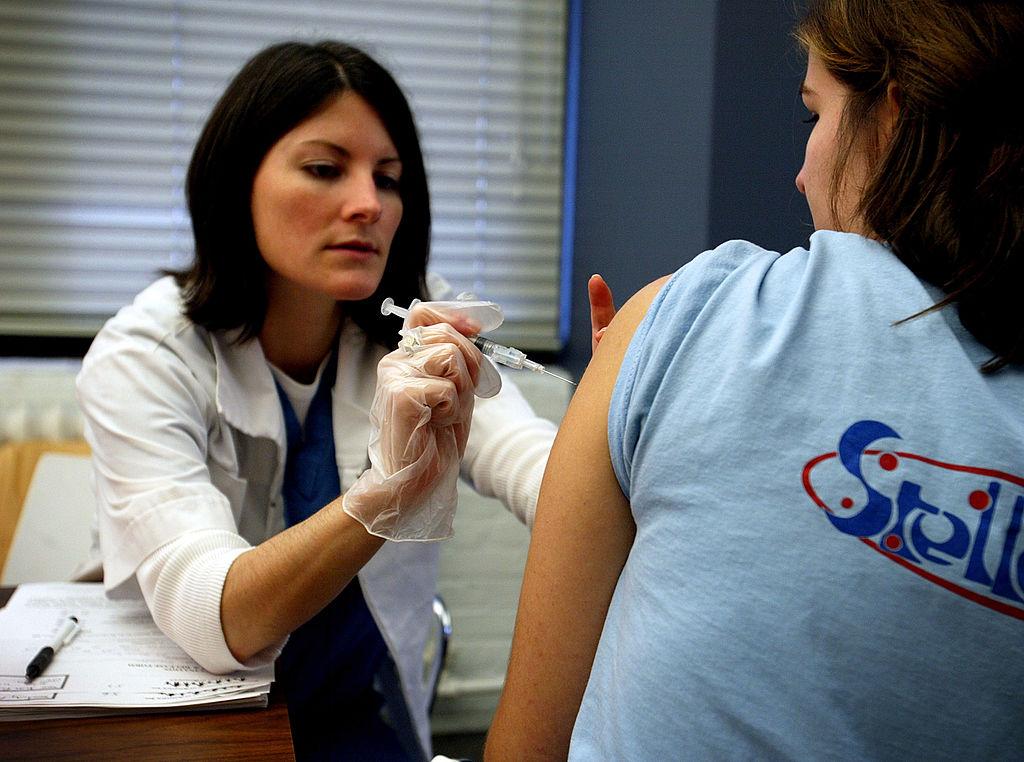
A nurse administers a flu vaccine in New York City on Nov. 11, 2002. (Robert Giroux/Getty Images)
About 43 percent of adults in late 2024 or early 2025, and 44 percent of adults in late 2023 or early 2024, had received an influenza vaccine.
Child influenza vaccine coverage was 44 percent in late 2024 and early 2025. It was higher in previous virus seasons, including 53 percent in late 2020 or early 2021, according to the CDC.
The virus season runs from the fall into the following year.
The CDC previously recommended that nearly all children and adults receive a shot against the flu each year.
On Jan. 5, health officials said that guidance was being changed for children due in part to a lack of other countries that recommend broad influenza vaccination.
The CDC’s schedule now says children may receive an influenza vaccine after parents speak with their doctors.
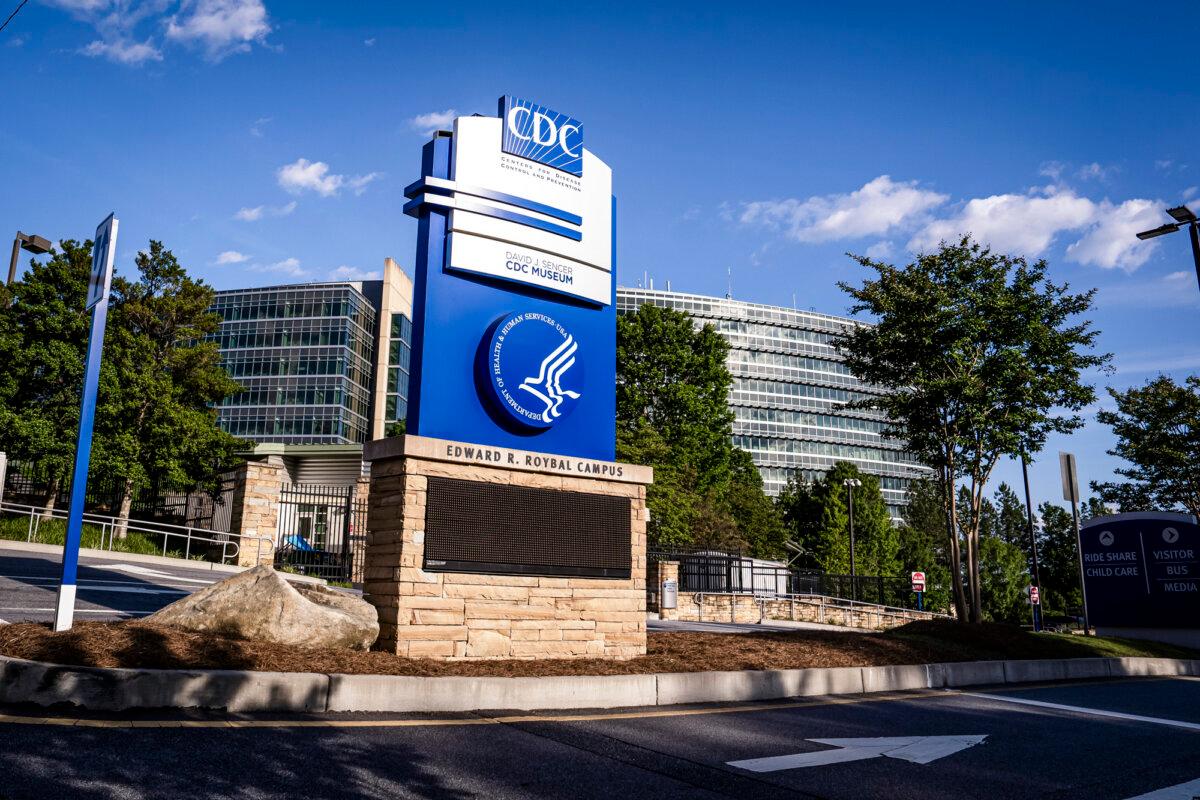
The Centers for Disease Control and Prevention headquarters in Atlanta on May 21, 2024. (Madalina Vasiliu/The Epoch Times)
“Like all immunizations on the childhood schedule, the pediatric flu vaccine is covered by insurance for whoever chooses it,” acting CDC Director Jim O’Neill said in response to criticism for weakening the recommendation. “We’ve empowered parents and health care providers to choose the best course of action for each child.”
In its most recent update on the flu season, the CDC said on Jan. 16 that positive tests and hospitalizations for influenza were down from the previous week, although deaths attributed to the flu had increased, and 36 jurisdictions had high or very high levels of influenza activity.
“Influenza (flu) vaccination has been shown to reduce the risk of flu and its potentially serious complications,” the CDC stated. “There is still time to get vaccinated against flu this season.”
The effectiveness of the influenza vaccine can vary widely by year. It has been as low as 19 percent and as high as 60 percent since 2009, according to the CDC.
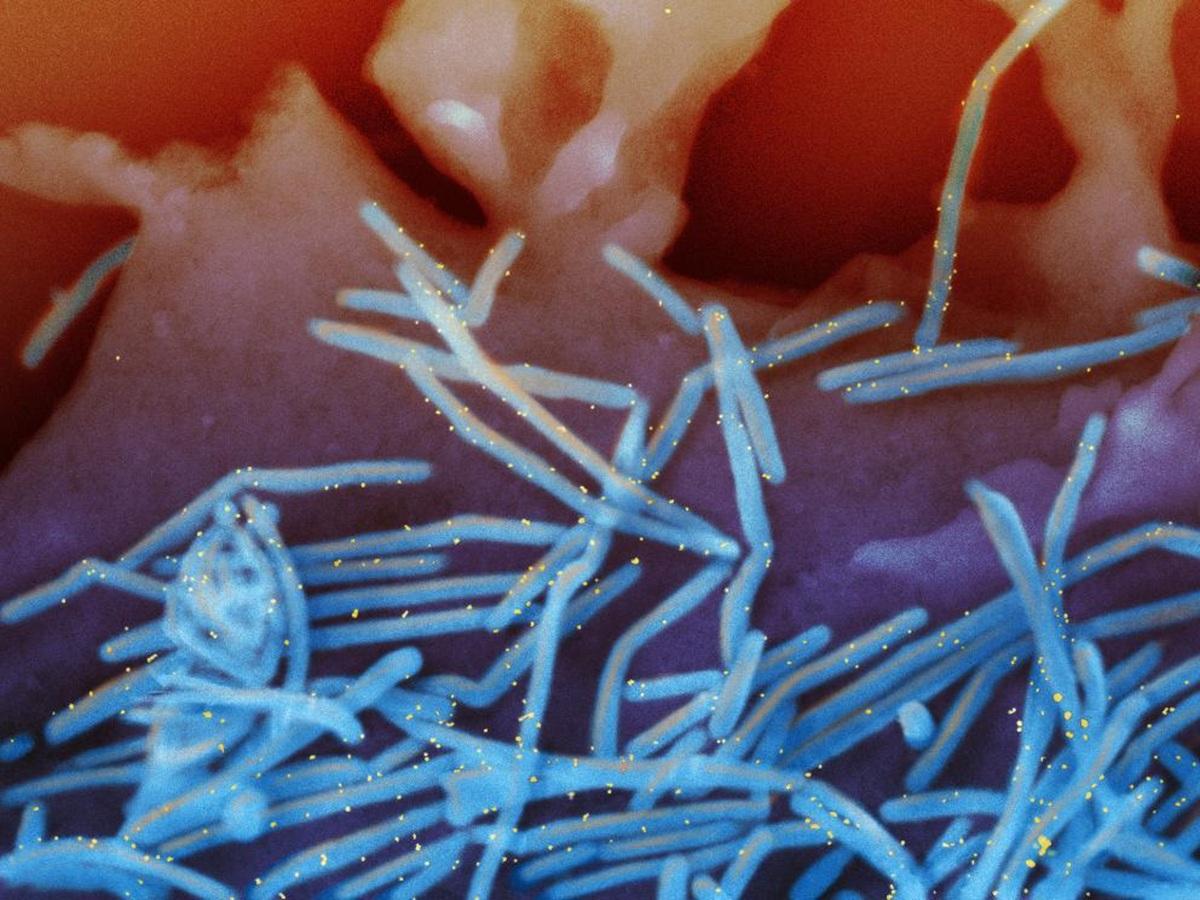
A colorized scanning electron micrograph shows human respiratory syncytial virus (RSV) virions shedding from human lung epithelial cells. (NIAID via The Epoch Times)
The CDC also recently listed the current respiratory syncytial virus (RSV) vaccination rate among adults aged 75 and higher as 42.7 percent.
That was slightly down from the 44 percent rate reported in early 2025.