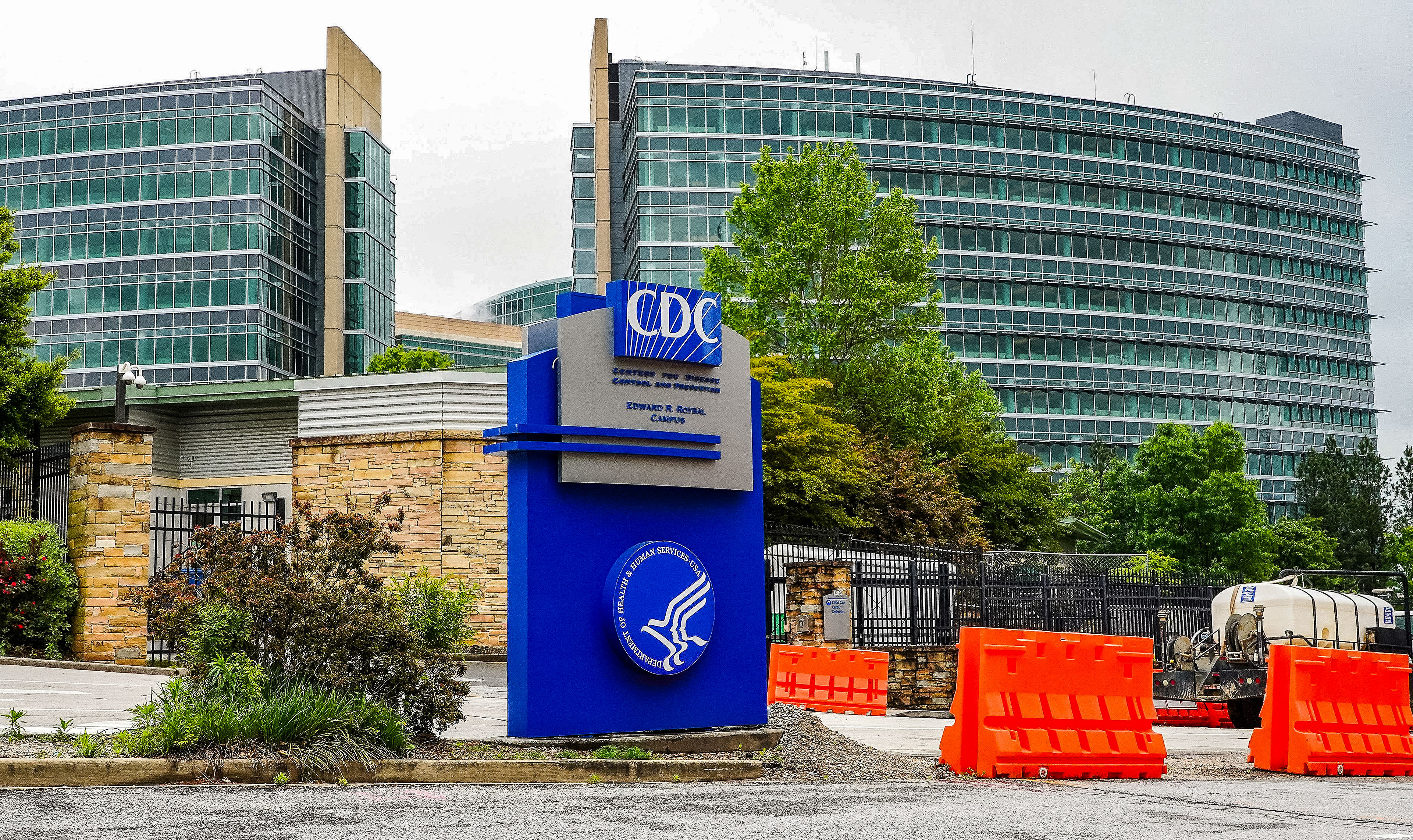

The Centers for Disease Control and Prevention (CDC) issued a travel warning for American citizens to two countries, including a popular tourist destination, due to outbreaks of a mosquito-borne virus in recent days.
In a Level 2 alert issued on Feb. 11, the CDC said that travelers should avoid going to Bolivia because of an outbreak of the chikungunya virus in two states, the Santa Cruz and Cochabamba Departments.
“Vaccination is recommended for travelers who are visiting an area with a chikungunya outbreak,” the CDC said, adding that pregnant women are advised to “reconsider travel to the affected areas, particularly if you are close to delivering your baby.”
Days before that, the CDC issued a Level 2 notice for Seychelles—a state consisting of 115 islands in the Indian Ocean, located approximately 800 nautical miles east of mainland Africa, that has long been popular with tourists for its beaches—due to an outbreak of chikungunya. The notice did not say where the outbreak was occurring in Seychelles.
The CDC has travel notices going up to Level 4, or “avoid all travel,” with Level 2 being the second-least significant notice. Aside from Seychelles and Bolivia, the CDC has travel health notices in effect for Cuba, Sri Lanka, and Suriname for the virus.
There was one locally acquired case of chikungunya in the United States in all of 2025, with more than 466 travel-associated cases reported, according to the CDC. Before last year, there were no locally acquired cases of the virus since 2015.
Areas considered at risk that are not under any CDC travel alerts include Brazil, Colombia, India, Indonesia, Mexico, Nigeria, Pakistan, Peru, the Philippines, and Thailand.
Last year, cases of chikungunya were spreading rapidly across the southern part of China, while local residents at the time told The Epoch Times that Chinese Communist Party (CCP) officials forced people to quarantine and asked them to pay for their own accommodation.
In August, the CCP moved to impose COVID-19-style controls after the agency designated six provinces and regions in the country as Category I areas for chikungunya outbreak prevention and control. The U.S. CDC, meanwhile, at the time issued a travel alert for parts of China in response to the outbreak, although it has since been removed.
The chikungunya virus was first identified in people during an outbreak in Tanzania in 1952. Its name is derived from a word in the Makonde language, which means “that which bends up,” due to the severe pain it can cause.
Chikungunya is transmitted by infected mosquitoes and mostly causes mild symptoms. The majority of people who get chikungunya recover without needing medical attention after one to two weeks.
Chikungunya typically produces symptoms including fever, muscle pain, nausea, fatigue, and a rash. In rare cases, however, it can cause debilitating joint pain that persists for months or even years. Patients who get severely ill often require hospitalization because of the risk of organ damage.
According to the United Nations’ World Health Organization, severe cases and deaths are rare and occur mostly in babies or elderly people with underlying health conditions.
The Associated Press contributed to this report.