
Why Qi and Blood Matter
TCM physician Wu Hung-chien said that qi (vital energy) and blood are the two fundamental substances that sustain life and maintain health.
Signs of Blood Deficiency
Don’t wait until you get sick to realize your qi and blood are insufficient. According to Wu, some signs of blood deficiency can be observed in particular parts of the body:
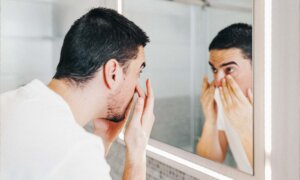
- Under the Lower Eyelids: Gently flip the lower eyelid. In healthy people, it is usually bright red. If it appears pale or washed out, it may indicate blood deficiency.
- Complexion and Ear Color: If your face and ears appear yellowish, pale, or lack a healthy flush, this could be a sign of anemia.
- Tongue Color: A healthy tongue should have a natural reddish hue. If it appears pale or lacks color, it may indicate blood deficiency.
- Nail Condition: Healthy nails should appear light pink. If they appear pale, brittle, or rough, it may indicate blood deficiency.
- Hair Loss and Dry Skin: Chronic blood deficiency may contribute to dull skin, increased dryness, and excessive hair shedding because, in TCM theory, blood nourishes the skin and hair.
Major Causes of Blood Deficiency
Blood deficiency can generally be attributed either to underlying diseases or to poor diet and lifestyle habits, Wu said.
- Preexisting Anemia: Certain congenital conditions, such as thalassemia, can weaken the body’s natural blood-producing ability, making a person more prone to blood deficiency.
- Gynecological Blood Loss: Conditions such as uterine fibroids can cause excessively heavy menstrual bleeding, which over time can lead to blood deficiency.
- Chronic Gastrointestinal Bleeding: Some cases of stomach or intestinal bleeding may not produce obvious symptoms, but prolonged blood loss can eventually result in severe anemia.
- Insufficient Nutrient Intake: Long-term deficiencies in iron, vitamin B12, folic acid, or protein can impair blood production and lead to blood deficiency.
- Overwork and Poor Sleep: In TCM, inadequate sleep and insufficient recovery are believed to impair healthy blood production. It is said that “the Liver stores blood,” and deep sleep between 1 a.m. and 3 a.m. is considered especially important for liver restoration and blood replenishment.
Before Boosting Qi and Blood, Strengthen Your Digestion
One of the most important principles in TCM is that nourishment begins with digestion.
Shi Quan Tang (Ten-Completeness Decoction) With Eggs
Shi Quan Tang is a traditional Chinese herbal formula derived from Ba Zhen Tang (Eight-Treasure Decoction).
- 10 grams angelica root (Dang Gui)
- 10 grams Sichuan lovage rhizome (Chuan Xiong)
- 10 grams white peony root (Bai Shao)
- 10 grams prepared rehmannia root (Shu Di Huang)
- 10 grams ginseng (Ren Shen)
- 10 grams atractylodes rhizome (Bai Zhu)
- 10 grams poria (Fu Ling)
- 3 grams licorice root (Gan Cao)
- 1 gram cinnamon bark (Rou Gui)
- 1 gram astragalus root (Huang Qi)
- 3 to 6 eggs
- 8 cups water
Instructions
- Rinse all herbs briefly under running water to remove any surface impurities.
- Place the herbs in a large pot and add 8 cups (2 liters) of water. Let the herbs soak for 20 to 30 minutes.
- Bring the mixture to a boil over high heat. Reduce heat to low, cover, and simmer for about 60 minutes.
- Strain the herbs, reserving the liquid. Return the herbal broth to the pot.
- While the broth is simmering, place the eggs in a separate saucepan. Cover with water, bring to a boil, then cook for 8 to 10 minutes until hard-boiled.
- Remove the eggs and cool them under cold running water. Peel the shells.
- Add the peeled eggs to the herbal broth and simmer gently for another 20 to 30 minutes to allow the eggs to absorb the flavor of the herbs.
- Remove from heat and serve.
How to Take It
- Drink one cup (240 milliliters) of the warm herbal broth once or twice daily.
- Eat one to two eggs along with the broth.
- The recipe can be taken over two to three days.
Note: Shi Quan Tang is traditionally used in Chinese medicine for people with signs of qi and blood deficiency, such as fatigue, weakness, pale complexion, poor appetite, or recovery after illness. Because the formula contains multiple medicinal herbs, it should be used under the guidance of a qualified practitioner, especially during pregnancy or when taking prescription medications.
5 Nutrients for Replenishing Qi and Blood
While herbs can play a role, everyday nutrition remains the foundation of healthy blood production.
- Whole Grains and Mixed Grains: Choose whole, unprocessed grains and cereals, which provide energy and, in TCM theory, are considered qi-replenishing foods.
- Vitamin B12: Eat animal organs, such as pork and chicken liver, which are excellent sources of vitamin B12.
- Iron: Include foods such as red amaranth, grapes, and apples, which are high-quality plant-based sources of iron.
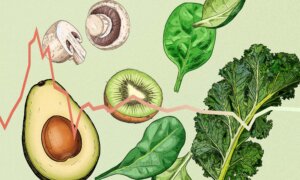
- Folate (folic acid): Eat dark green leafy vegetables—including spinach, water spinach, Chinese chives, and red amaranth—rich in folate.
- High-Quality Protein: Include fish, meat, and eggs, which are essential for blood cell formation.
To maximize iron absorption, consider pairing iron-rich foods with vitamin C-rich foods such as citrus fruits, berries, bell peppers, or tomatoes. Vegetarians and vegans should pay particular attention to vitamin B12 intake, as deficiency can contribute to fatigue and anemia.
Movement Helps Turn Nourishment Into Vitality
Nutrition and herbs provide the raw materials for building qi and blood, but movement helps circulate them throughout the body.
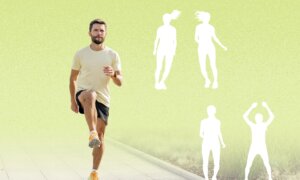
1. Ultra-Slow Jogging
While jogging in place, land first on the mid-forefoot, then let the heel lower naturally. Keep your knees slightly bent and relaxed, with your chest lifted. Avoid hunching, and swing your arms naturally.
2. Rising on Tiptoes
Stand with your feet naturally apart, your center of gravity on the balls of your feet, and your back straight. Tighten the abdomen and glutes, slowly lift your heels to the highest point, hold for a few seconds, then slowly lower them back down.
3. Sit-Ups
Lie flat with your knees bent at approximately 90 degrees and the soles of your feet flat on the ground, about shoulder-width apart. Clasp your hands into a fist or gently place them beside your ears. While exhaling, tighten your core and use your abdominal muscles to curl your upper body upward. Continue engaging your abdomen as you slowly and controllably lower yourself back to the starting position.