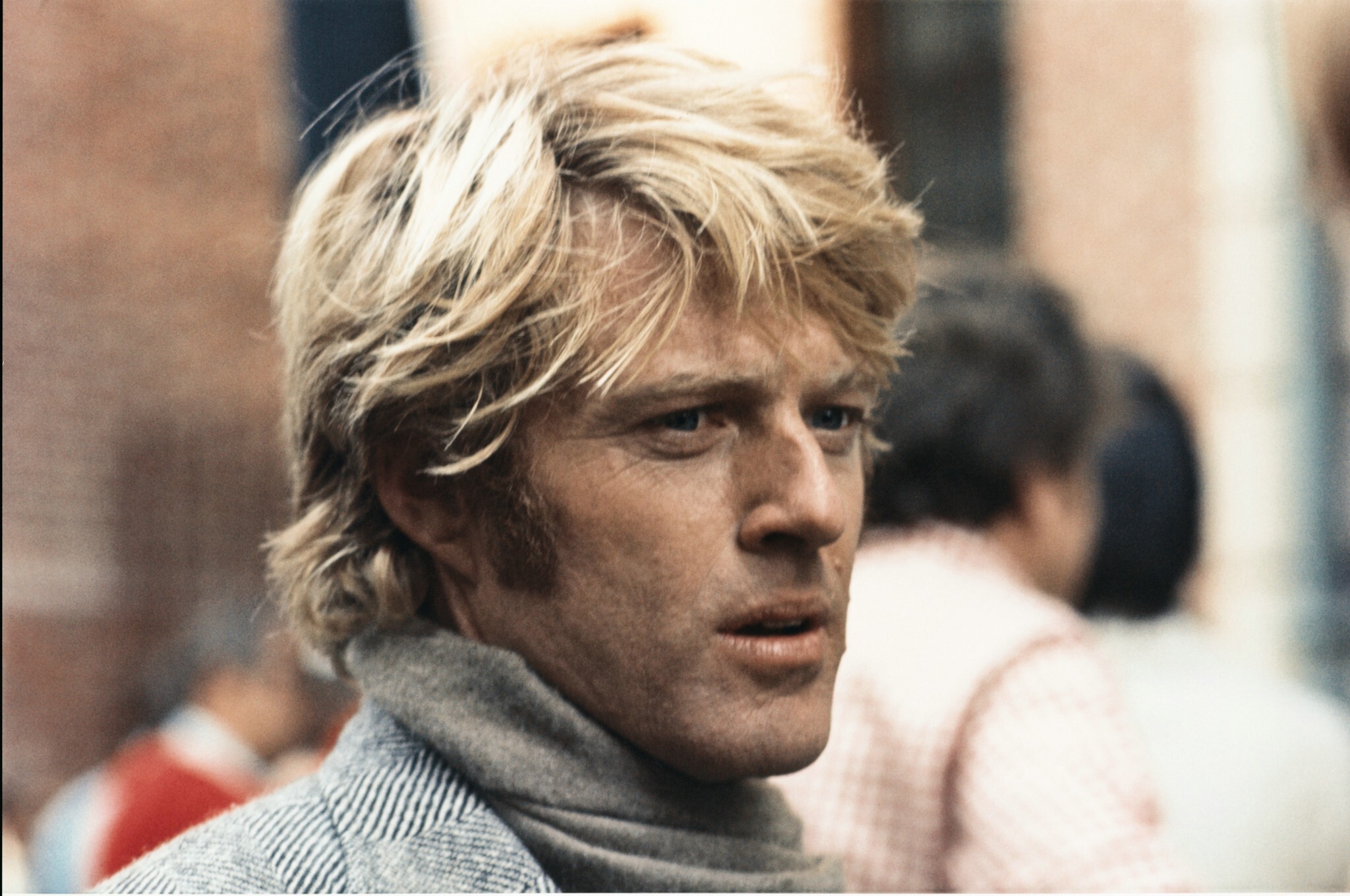
Actor, filmmaker, philanthropist, and businessman Robert Redford passed away of natural causes on Sept. 16 in his home in Sundance, Utah. He was 89 years old.
With a career spanning over six decades, Redford became and still remains one of the most recognized and influential screen stars of this or any other generation.
Born Charles Robert Redford Jr. in 1936, Redford was raised in Santa Monica, California, and Los Angeles and once described himself as a “bad” student, citing his extracurricular interests in sports and the arts.
After graduating from Van Nuys High School in 1954, Redford attended the University of Colorado in Boulder for a year and a half before traveling throughout France, Spain, and Italy. In the late 1950s, Redford attended both the Pratt Institute and the American Academy of Dramatic Arts, both located in New York City.
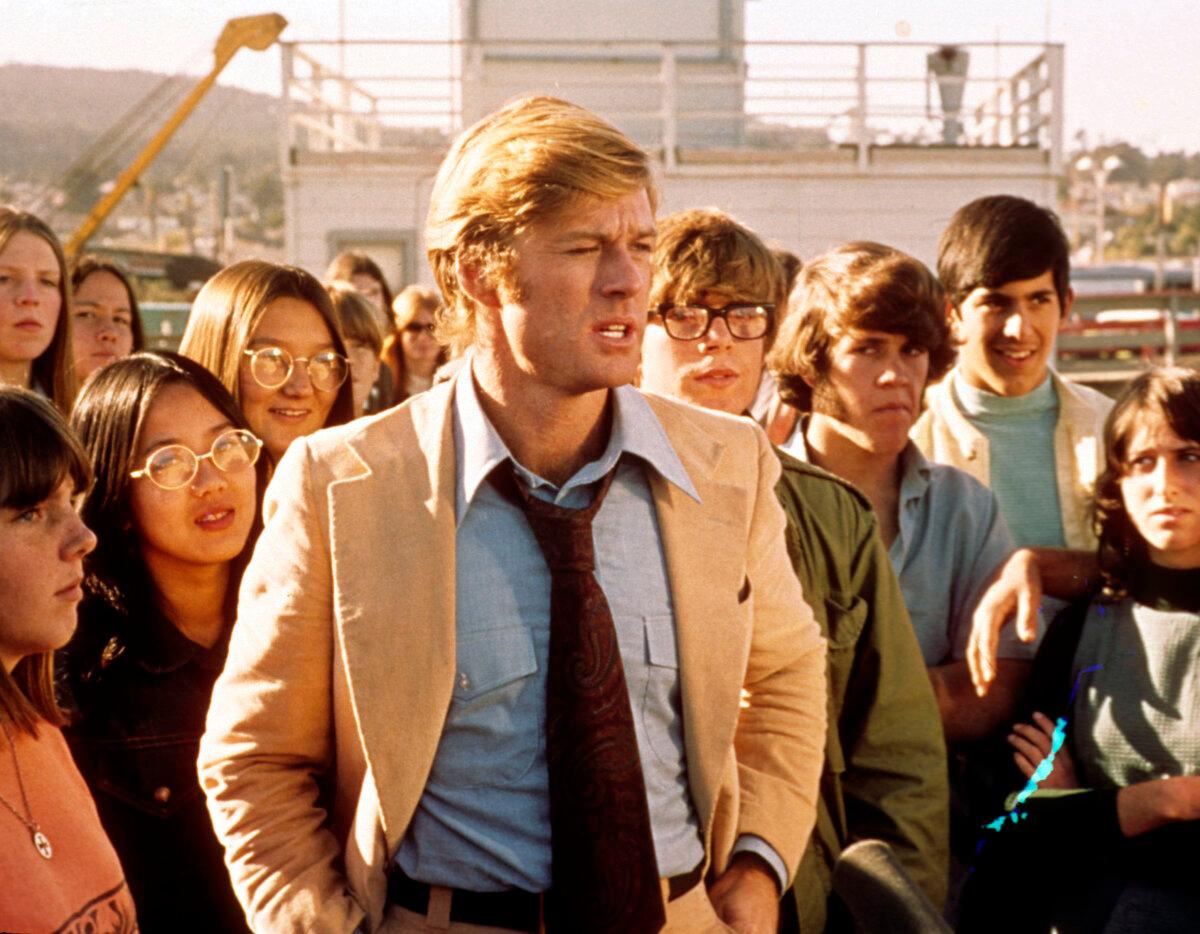
Bill McKay (Robert Redford), in “The Candidate.” (Warner Bros./MovieStillsDB)
Going Barefoot
Like many future film stars of the era, Redford got his professional start on stage, appearing in small scale plays. His big break came in 1963 when the joined the original cast of Neil Simon’s “Barefoot in the Park,” which opened in October at the Biltmore Theater on Broadway. Redford would later reprise his role of Paul, a conservative attorney, in the 1967 movie adaptation of the play.
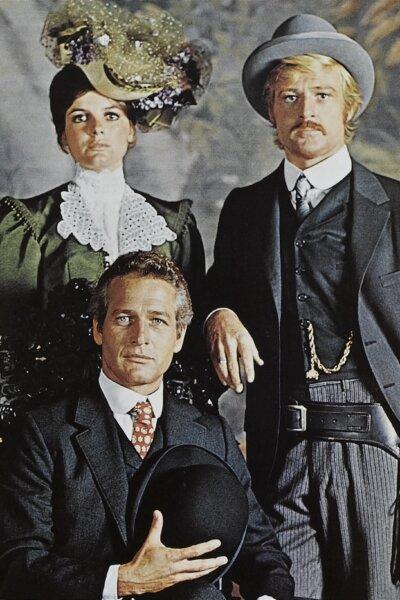
(L–R) Etta Place (Katharine Ross), Butch Cassidy (Paul Newman), and The Sundance Kid (Robert Redford), in "Butch Cassidy and the Sundance Kid.” (20th Century Fox/MovieStillsDB)
After it was turned down by Jack Lemmon, Steve McQueen, and Warren Beatty, in 1969 Redford was offered and quickly accepted the role of Sundance in “Butch Cassidy and the Sundance Kid” alongside Paul Newman as Butch. Redford and Newman reunited onscreen four years later in the Best Picture-winning film “The Sting.” The two men would remain close friends until Newman’s death in 2008.
Due to the massive success of “Butch Cassidy” both culturally and at the box office, Redford was catapulted into the upper echelon of Hollywood’s A-list. He immediately seized upon the opportunity to appear in some of the greatest movies of the “American New Wave” era.
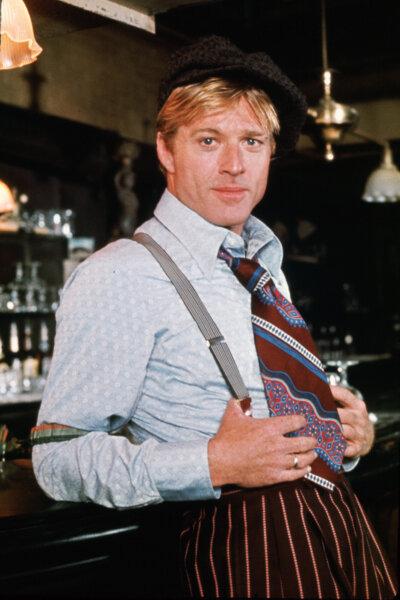
Johnny Hooker (Robert Redford), in “The Sting.” (Universal Studios/MovieStillsDB)
On-Screen Career Peak
Between 1972 and 1976, Redford starred in the western noir “Jeremiah Johnson,” the dramatic political satire “The Candidate,” the heist dramedy “The Sting,” the political thriller “
Three Days of the Condor,” and the fact-based “All the President’s Men.” Also during this stretch, Redford starred opposite Barbra Streisand in the romantic period drama, “The Way We Were” that, despite being popular with audiences, was a critical disappointment.
It would be a full decade before one of Redford’s movies was met with simultaneous critical, industry, and box office success, and many felt it was worth the wait.
Based on the 1952 Richard Malamud novel of the same name, director Barry Levinson’s “The Natural” found Redford at the top of his game. Co-starring Glenn Close, Kim Basinger, and Robert Duvall, “The Natural” became an instant fan favorite and is recognized as one of the finest baseball movies ever produced.
Behind the Camera
Long before “The Natural” was released, Redford began expanding his professional horizons with his first foray behind the camera. In 1980, “Ordinary People,” the first of nine films Redford directed, was released to widespread critical acclaim, multiple industry accolades, and enormous box office success.
Nominated for six Academy Awards and winner of four, it also marked the only instance where Redford would win a competitive Oscar (for Best Director). In 2002, Redford received an Academy honorary award.
Sundance
In 1981, Redford expanded his industry reach even further by founding the Sundance Institute in Park City, Utah. The Institute hosts the popular and acclaimed annual “Sundance Film Festival.” In addition, the foundation is home to no less than 10 areas of study dedicated to the fostering of young talent and the expansion of independent filmmaking. In the 2010s, international Sundance campuses were started in London and Hong Kong.
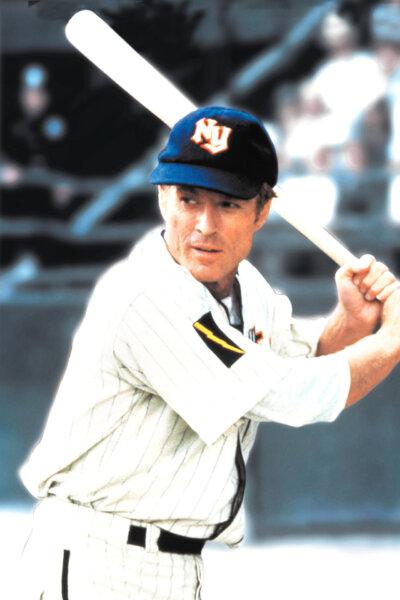
Roy Hobbs (Robert Redford), in “The Natural.” (TriStar Pictures/MovieStillsDB)
One of Redford’s last ventures outside of filmmaking was the 1996 creation of the Sundance Channel. Now known as Sundance TV, the premium cable provider specializes in promoting independent and art-house movies and TV programs. At its peak in 2017, the provider was subscribed by over 71 million homes and is now available the world over.
In addition to his Oscars, Redford received a cavalcade of awards in his lifetime including a BAFTA, six Golden Globes (including the Cecil B. DeMille award), a Screen Actors Guild Life Achievement Award, a Directors Guild of America award, and numerous festival awards.
It was in 1996 that Redford was bestowed the National Medal of Arts by President Clinton; 20 years later he received the Presidential Medal of Freedom from President Obama. In 2005, he was one of five artists to receive a Kennedy Center Honor.
The Legacy
The importance of Redford’s impact on the film industry can’t be overstated. For far too many of his contemporaries, getting a big paycheck for doing “make-believe” in movies is more than enough. This certainly wasn’t the case for Redford.
To be sure, he became wealthy and famous beyond his wildest dreams. But in the end, he gave back more to the industry he loved than he ever received. He was one of most selfless and giving film stars the world has ever known.
Redford is survived by his widow and second wife Sibylle Szaggars, his first wife Lola Van Waggenen, two of his four children, and seven grandchildren.
What arts and culture topics would you like us to cover? Please email ideas or feedback to features@epochtimes.nyc