
While nearly one in four homes across the United States are located in areas susceptible to severe weather conditions, many homebuyers are still seeking out properties in these high-risk regions, a July Realtor.com report found.
The organization’s data show that 23.1 percent of American homes—with an estimated $11.2 trillion in value—are currently situated in areas prone to natural disasters.
The report indicates that, despite the likelihood of flooding, wildfires, or extreme windstorms in some areas, homebuyer demand remains strong, often driven by lower list prices than in nearby lower-risk areas.
“Price is still the biggest motivator for a lot of home shoppers, even in places where climate risk is well known,” Realtor.com economist Jiayi Xu said in the report.
“But that doesn’t mean the risk disappears. It shows up later, in insurance premiums, HOA fees, and financing, often after the sale is already done.”
Homeowners in these high-risk locations are already paying a premium to protect their properties against possible damage, a median of $192 per month in homeowner association (HOA) fees, which is 53.6 percent more than homeowners in lower-risk areas, according to the report.
Realtor.com found that Delaware, South Carolina, and Oregon lead the nation for the widest gaps between HOA fees in high- and low-risk areas. In Oregon, for example, the median HOA fee in high-risk areas is $423, compared with $114 in lower-risk areas.
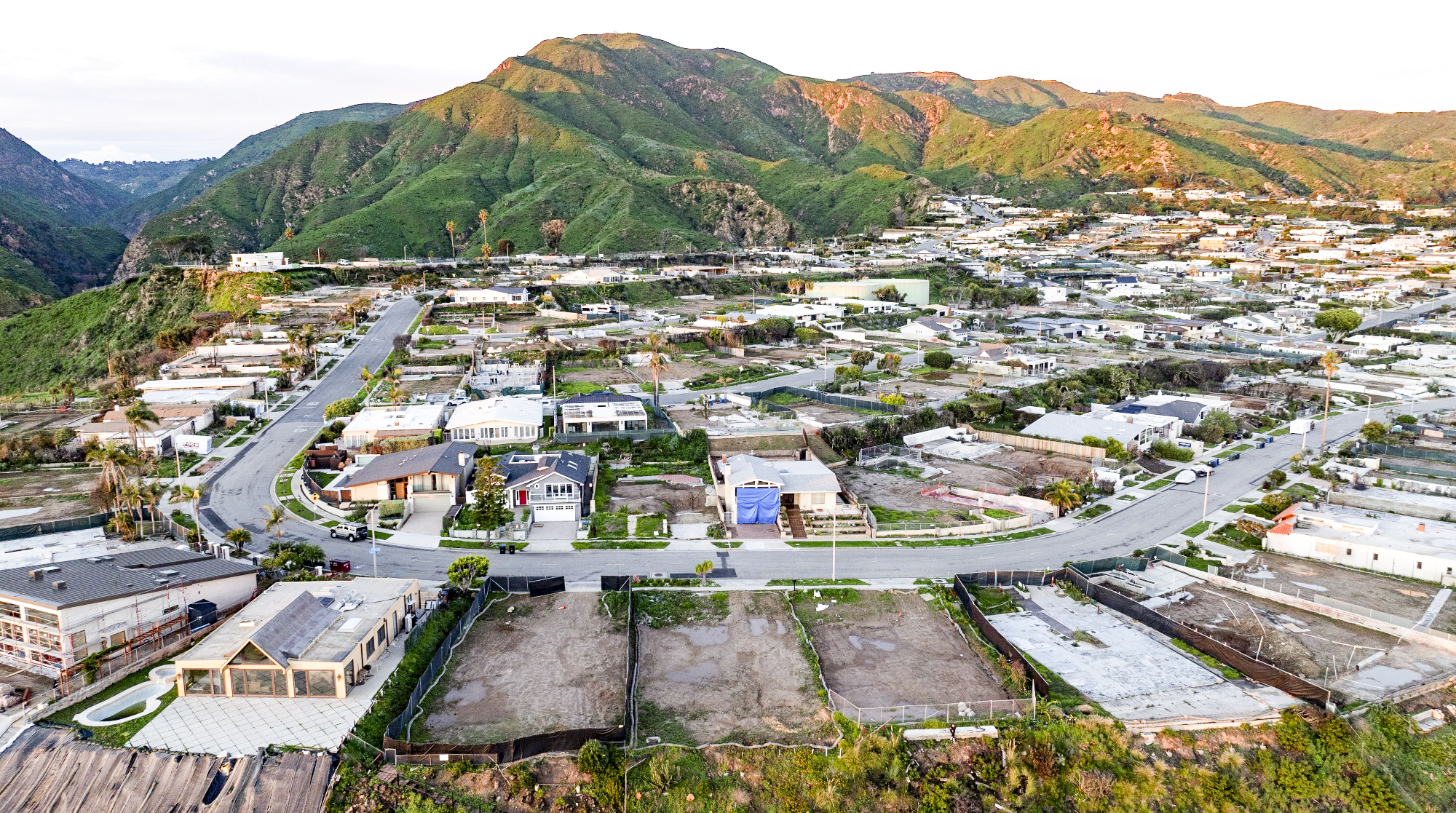
In California, where certain regions have suffered from devastating wildfires over the years, many homebuyers are still not deterred from purchasing in those areas.
According to the report, listings in high-risk Santa Clara County are priced at 78 percent of the per-square-foot price of homes without severe risk. These properties also command 48 percent more views per listing.
Los Angeles County homes in higher-risk areas also offer discounts, with homes there priced at 75 percent of those in lower-risk areas and accounting for 23 percent more views.
“When disaster strikes, shoppers retrench, but the effect is short-lived,” the report reads. “Following the January 2025 LA wildfires, buyer interest in high-risk homes dropped 10%, yet fully recovered within one month.”
However, in other markets such as Anne Arundel County, Maryland, homebuyers are willing to pay 44 percent more per square foot to live in areas deemed at high risk for weather damage because waterfront access often outweighs the risk.
A similar situation in Llano County, Texas, shows homebuyers paying almost double for a home in a higher-risk area so they can live near a river.
The report states that other areas of the country that have been continuously hit by flooding include Oklahoma, Idaho, Mississippi, and Alabama.
“Buyers are not seeking risk—but in markets where affordability has long been an issue, price is the dominant signal, and high-risk homes happen to offer the discount that makes ownership possible,” the report reads.
A May 2026 Pew Research Center report found that 71 percent of U.S. homeowners said their home insurance premiums had increased. Among those homeowners, many cited rising repair and rebuilding costs and more frequent extreme weather events as major reasons for the increases.
In an April report, Insurance.com, an online comparison service and digital agency, stated that Florida’s high hurricane risk has made it difficult for residents to obtain home insurance.
It also noted that many carriers in the state had gone out of business, leaving just the state insurance option, Citizens Insurance, which can cost homeowners about $7,000 per year and even more in coastal areas.
Obtaining insurance in California is also difficult, the report noted, due to wildfires. As a result, some major carriers, including State Farm and Allstate, have stopped issuing new policies.
For those who still choose to purchase homes in high-risk weather zones, Insurance.com recommends ensuring that they have adequate replacement cost coverage in the event of a natural disaster.