
Keep Your Cards in a Safe Place
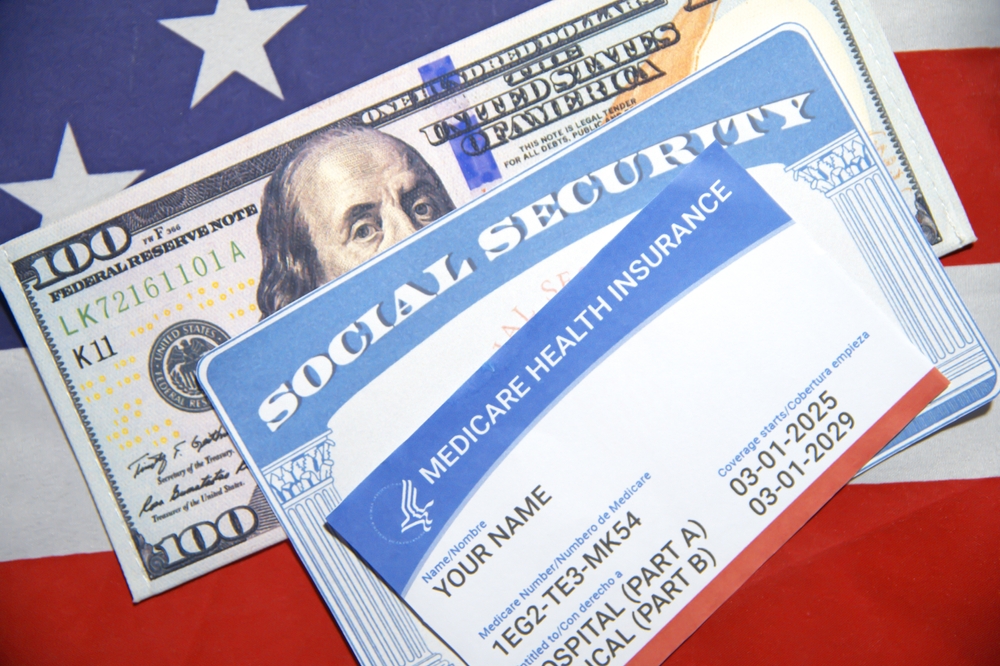
Start by keeping your cards safe. Never keep your Social Security card in your wallet. It should never leave your house. Keep it in a safe place where even family and friends won’t find it. Make it a point to memorize the number to use if you absolutely need to.
Identity Theft Due to Stolen Social Security Numbers
According to the Social Security Administration, identity theft is one of the fastest-growing crimes in America. The routine and typically indiscriminate use of Social Security numbers (SSNs) as identifiers creates opportunities for thieves to obtain your personal information.
Resist Giving Up Your Social Security Number
You should be very cautious as to who you give your SSN to. The more you can limit the number of places that have your SSN, the less exposure you have for identity theft. You’ll be limiting the number of places where your SSN is stored and potentially compromised.
Who Should Not Receive Your Social Security Number?
You are the only “gatekeeper” of your personal information. It all starts with you. That’s why it’s vital you don’t give it to anyone who doesn’t absolutely need it. Here are some organizations or people who don’t need your SSN.
Anyone Calling or Sending You an Email
If someone calls claiming to be from the government or a company and asks for your SSN, don’t give it to them. This is how scammers operate. If they claim to be from the federal, state, or local government, refuse to give them your SSN. No government official is going to call you for that information. Besides, the federal government already knows your SSN.
Public Schools, Little League, Summer Camp, and the Like
Your utility bill confirms your address. The school has your email address, address, and phone number in case of an emergency. They don’t need your SSN. And they probably don’t have a secure way to keep it.
Supermarkets
A frequent shopper card is not a bank account or loan. It merely tracks your purchases, primarily for marketing purposes. Even though it may be on the application, refuse to give it to them.
Anybody Who Approaches You
If someone approaches you on the street claiming to be from the cell phone company or a salesman, don’t give them your SSN. This also applies to anyone running a voter registration campaign.
Other Places Not to Give Your Social Security Number
There are other places and organizations that you should not give your SSN to. A dentist, for example, doesn’t need your SSN unless you are financing a procedure. They just need your insurance information.
Who Should Not Receive Your Medicare Number?
Treat your Medicare card as you would your Social Security or a credit card. Never leave it out in the open. According to United Healthcare, you should never give your card or number to anyone except your doctor or another authorized Medicare provider.
Beware of Bogus Medicare Plans
Criminals may try to entice you with phone Medicare plans, products, benefits, or services. Check with the plan provider to see if it’s legitimate. Or, better yet, use the Plan Finder at Medicare.gov to verify a plan you’re considering.
Don’t Fall for ‘Free’ Healthcare Services or Products
Close the door on the conversation if someone asks you for your Medicare information in exchange for free medical services or products. Remember, if it’s free, they don’t need insurance information.
Avoid Door-to-Door Salespeople
Medicare doesn’t send representatives to people’s homes to sell products or services. Don’t accept medical supplies or give information to door-to-door salespeople. And remember, insurance agents may not come to your home unless you ask them.