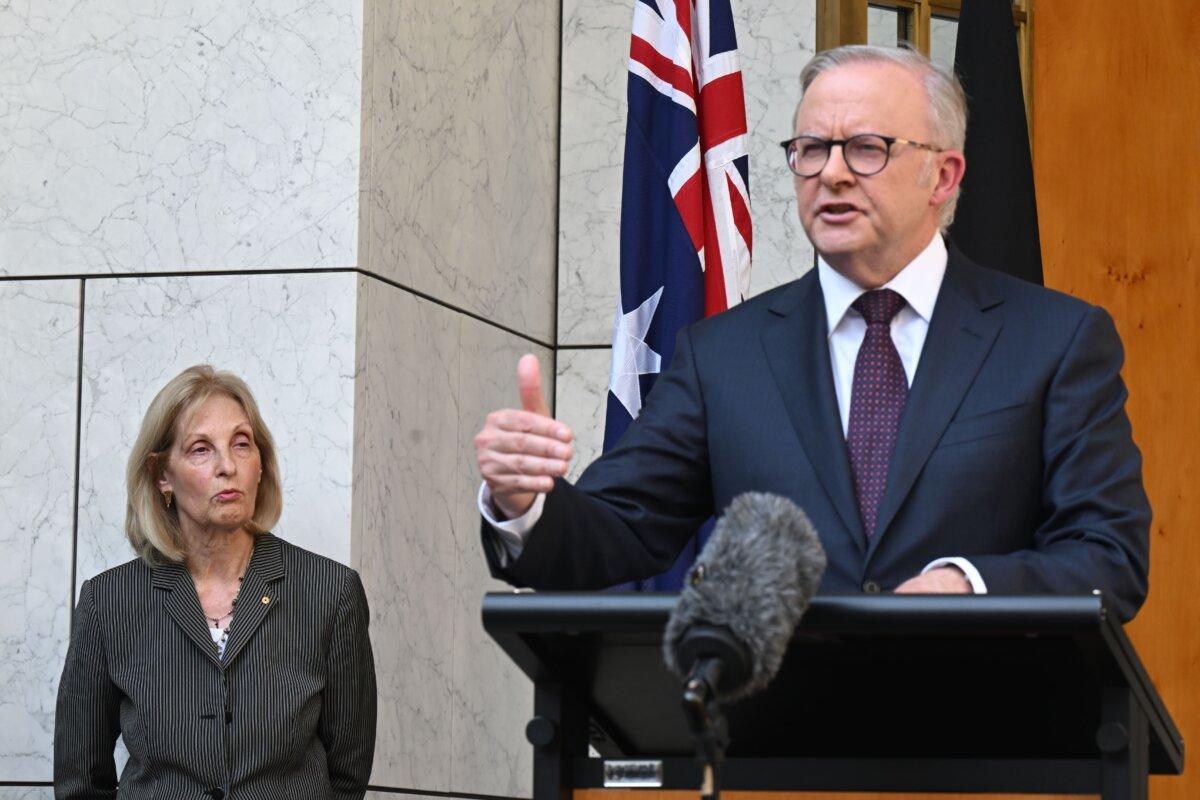

A U.S. Department of Justice (DOJ) official has panned the federal Labor government’s actions leading up to the deadliest terrorist attack on Australian soil, which killed 15 people and injured around 40.
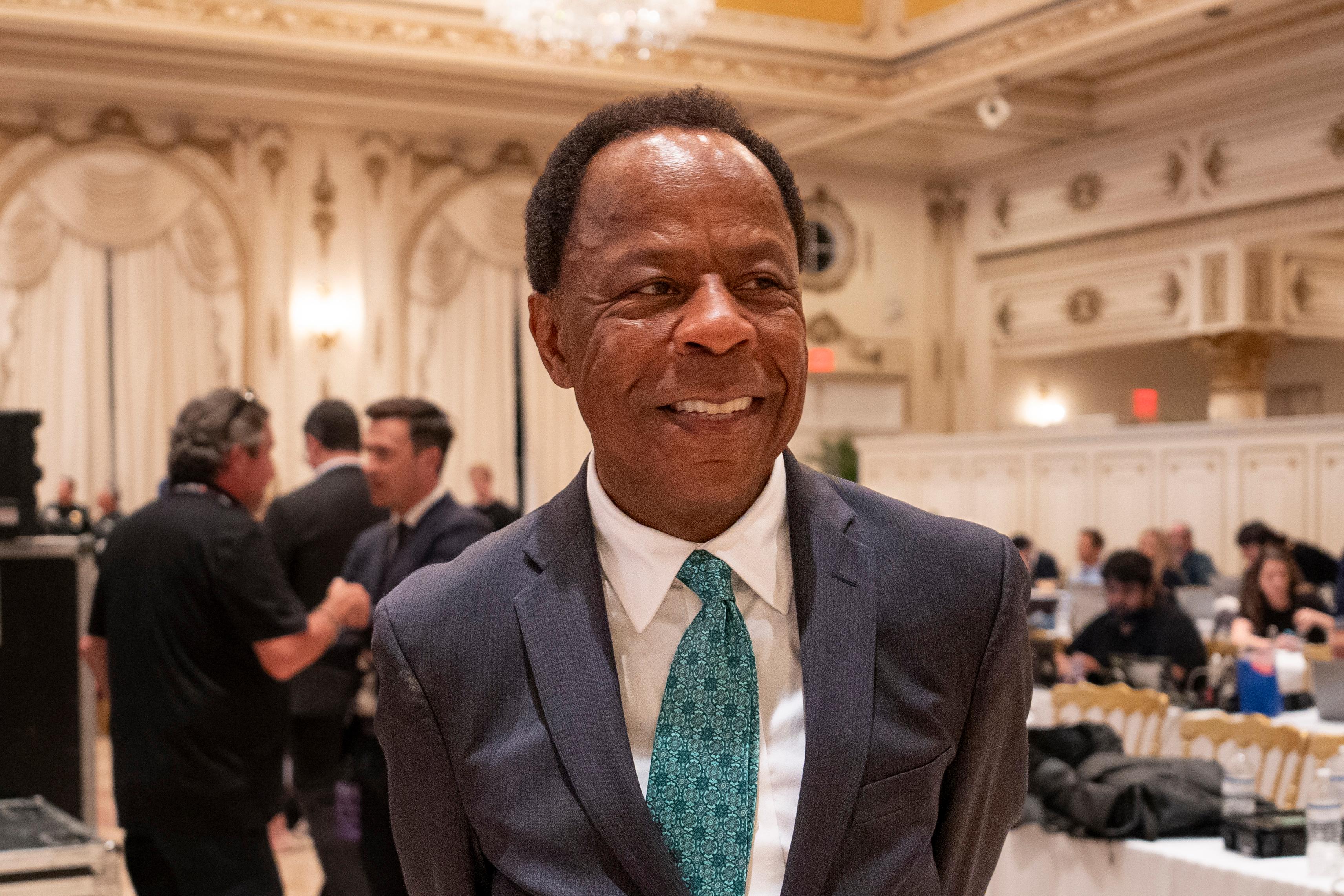
Leo Terrell, a civil rights attorney serving as chair of the DOJ Task Force to Combat Anti‑Semitism, called the massacre an “attack on the Jewish community worldwide.”
“I blame, in part, the Australian government in allowing this Jew hatred to fester,” he told the Saudi Arabian-owned news outlet Al Arabiya English. “They had warning signs of hate and terrorism towards the Jewish community, and what played out there was unfortunate.”
Terrell, who is also a radio and television commentator, also said symbolic gestures like recognising Palestinian statehood had real life consequences.
“Basically, they have allowed the Palestinian or the concept of Palestinian stay to exist,” he said. “This is really something that is tragic, because it gives a message that Jew hatred is ok in Australia.”
Anti-Semitism Bubbling Away Until Bondi
Since the Oct. 7, 2023 Hamas attacks, the Executive Council of Australian Jewry began recording (pdf) hundreds to thousands of anti-Semitic incidents in the years leading up to the Bondi attack.
The incidents ranged from vandalism and abuse, to arson and threats, including swastika graffiti, verbal abuse, attacks on Jewish businesses and properties, and the fire-bombing of a Melbourne synagogue in late 2024.
Following the Bondi attack, both the Coalition and the One Nation Party criticised the Albanese government for its perceived failure to take a stronger stance against anti-Semitic sentiment around the mass protest after Oct. 7 on the steps of the iconic Sydney Opera House, as well as the 90,000-strong pro-Palestine march in August across the Harbour Bridge.
“Every day for the last two years, the lives of Jewish Australians have been made harder by the rising tide of anti-Semitism ... They’ve heard a lot of words, they want to see action, and they want this to be the real catharsis for action,” Opposition Leader Sussan Ley told ABC Mornings program in December.
The Labor administration was also criticised by Israeli Prime Minister Benjamin Netanyahu, saying that he had warned Australian leaders months before the Bondi tragedy that Canberra’s support for Palestinian statehood would “pour fuel on the anti-Semitic fire” and risk encouraging anti‑Jewish violence.
U.S. National Intelligence Director Tulsi Gabbard has also criticised the Australian government, blaming the country’s migration policy.
“The tragic Islamist terror attack against those at a Hanukkah celebration in Australia sadly should not come as a surprise to anyone,” she wrote in an X post on Dec. 17. “This is the direct result of the massive influx of Islamists to Australia. Their goal is not only the Islamisation of Australia but the entire world—including the United States.”
Gabbard described Islamists and Islamism as “the greatest threat to the freedom, security, and prosperity of the United States and the entire world.”
“It is probably too late for Europe—and maybe Australia. It is not too late for the United States of America. But it soon will be,” she wrote.
PM’s Bondi Response Under the Microscope
Albanese has championed some of the measures implemented by his government leading up to and after the Bondi terror attack, including enhancing hate speech laws, introducing new visa revocation powers, new criminal charges, new online oversight and education reforms, as well as activating national disaster relief funds.
The Australian leader has faced scrutiny for not doing enough on recommendations from the Special Envoy to Combat Anti-Semitism Jillian Segel, and for initially refusing to call a federal royal commission into the Bondi terror attacks.
His reasoning was that a federal royal commission was not necessary, considering the time it would take, and it could delay urgent action.
Instead, the Labor Party called for a narrower review of intelligence and law enforcement agencies, citing the efficiency and shorter timeframe.
On Jan. 8, weeks after rejecting a federal royal commission, Albanese finally announced one, succumbing to pressure from the opposition and various segments of society, including victims’ families, the Jewish community, legal experts, the Australian Catholic leader, and business leaders.
However, his appointment of former High Court justice Virginia Bell as the sole royal commissioner triggered further debate, with former Liberal Treasurer Josh Frydenberg initially arguing that the candidate “did not have the total confidence of the Jewish community.”