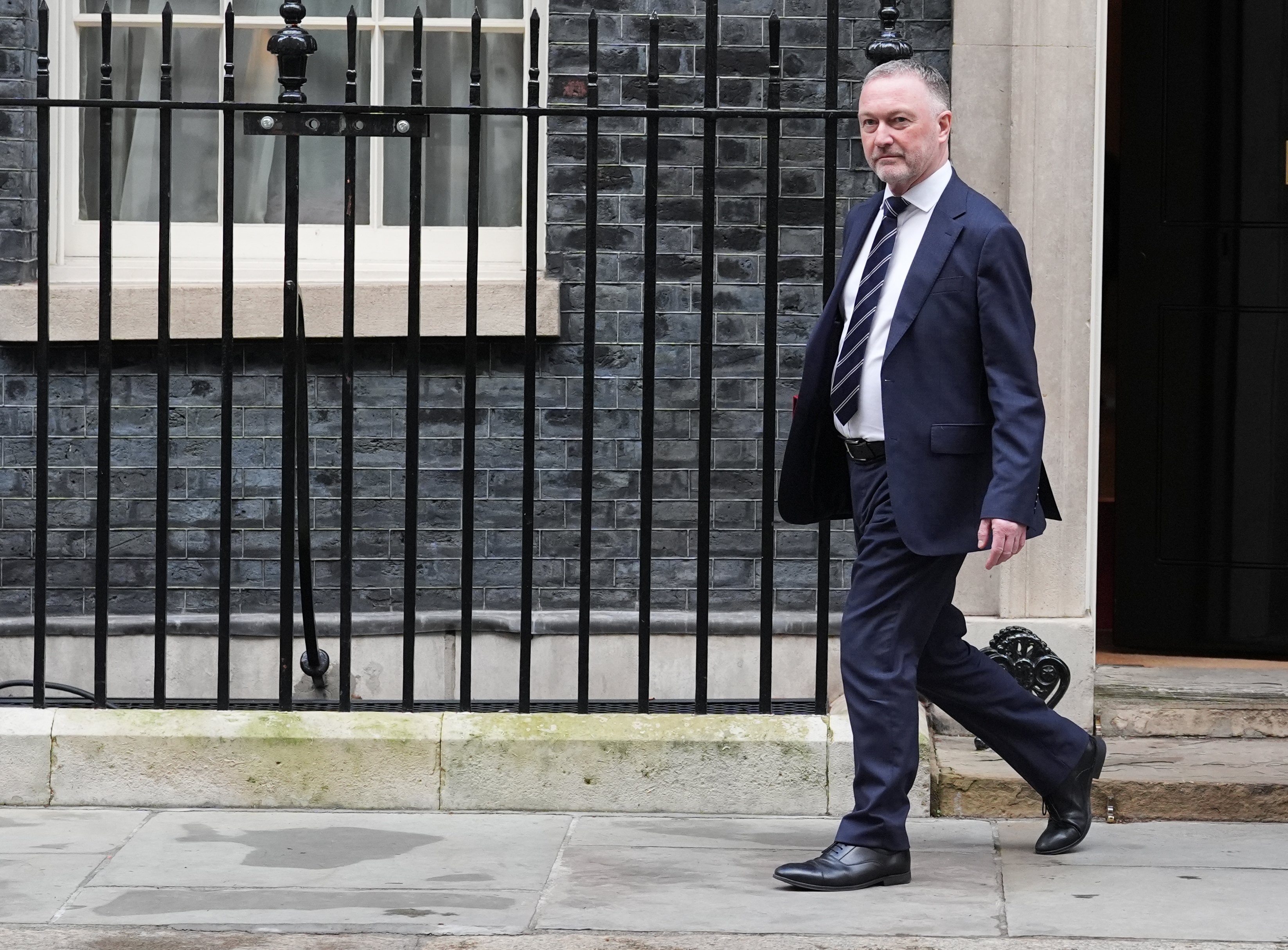

The UK government introduced measures on Feb. 12 to block political donations from foreign regimes.
It comes as the country’s counterintelligence and security chiefs briefed academics and politicians about threats from countries including China and Russia.
The proposed rules, introduced on Feb. 12, will require political donors to have “a genuine connection to the UK” and to have enough revenue to cover the donation, the Ministry of Housing, Communities, and Local Government said in a statement.
The department referenced former MEP Nathan Gill and lawyer Christine Lee, saying they have underlined the need for the proposed measures.
Gill, a former leader of Reform UK in Wales, was jailed in November 2025 for taking pro-Russia bribery.
Following his sentencing, the government launched a review into foreign financial interference in UK politics.
Lee, who donated at least 500,000 pounds ($664,000) to Labour lawmaker Barry Gardiner, was named by MI5 in a January 2022 alert for allegedly engaging in “political interference activities” on behalf of the Chinese Communist Party (CCP).
Lee challenged MI5’s action, alleging the agency’s alert to Parliament contained “factual errors” and was “plainly wrong.” She lost the challenge in December 2024, when tribunal judges ruled that MI5 had issued the alert for “legitimate reasons.”
The new measures to tighten rules on political donations are included in a 194-page Representation of the People Bill, which seeks to extend voting rights to 16- and 17-year-olds.
Steve Reed, secretary of state for housing, communities, and local government, said the bill will “protect our democracy against foreign interference and give young people the right to vote.”
The donation rules will “end the status quo, where a new company registered today, owned by anyone, funded from anywhere, without even a single day of trade, can donate and have influence in UK politics,” the statement said.
MI5 Warns Academics, Politicians
Last week, MI5 Director General Sir Ken McCallum and National Cyber Security Centre CEO Richard Horne briefed senior leaders from more than 70 universities about how to identify and report foreign interference, the Cabinet Office said on Feb. 9.
McCallum detailed methods used by hostile actors to shape research and teaching content in higher education, including Chinese agents’ targeting of academics on professional networking sites such as LinkedIn.
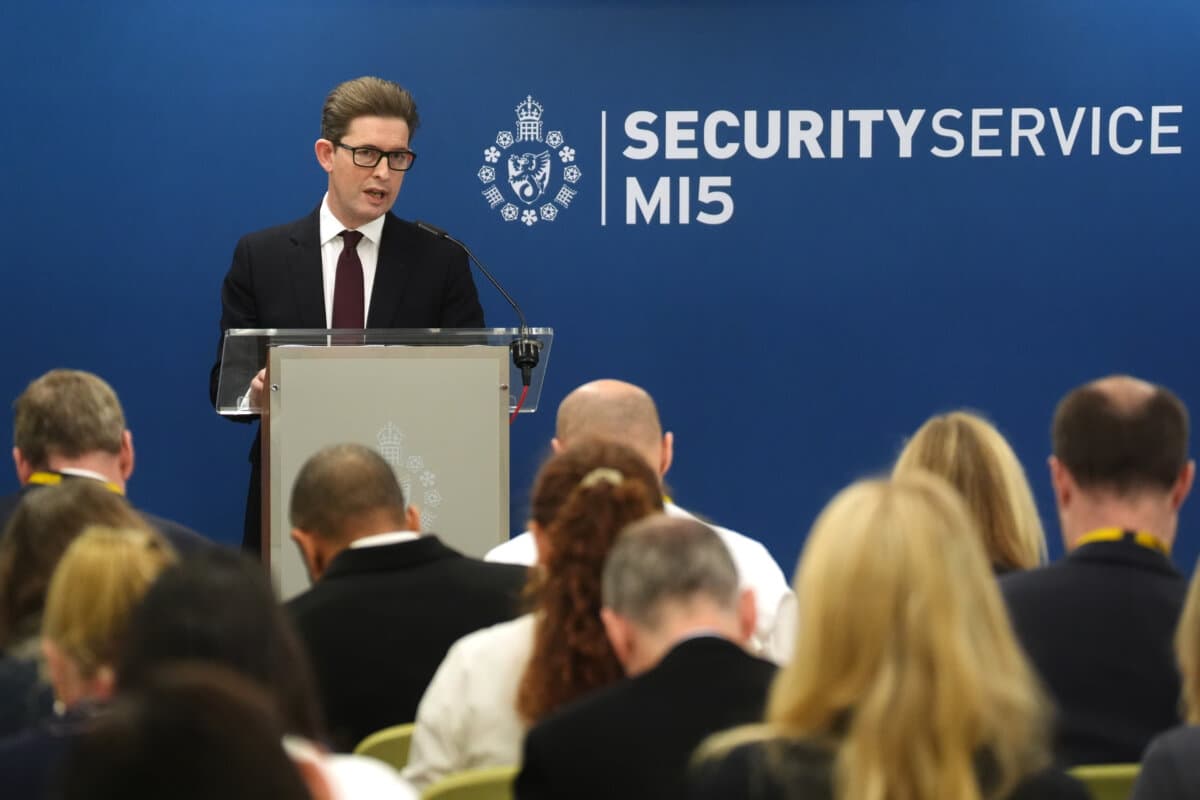
Director General of MI5 Sir Ken McCallum. (Jonathan Brady/PA)
The brief was followed by new guidance published on Monday for higher education institutions.
Hostile actors may target university staff to influence decisions, shape narratives, gather information, and carry out transnational repression, the guidance says.
The security chiefs also briefed officials from all UK political parties in a separate closed-door meeting on recognising and resisting attempts to manipulate the UK’s political process and democratic values.
MI5 warned lawmakers and parliamentary staff in November about Chinese espionage through recruitment headhunters.
The briefing for university leaders was announced in November as part of a plan to counter political interference and espionage.
A package of measures to tackle state interference in higher education, backed by a 3 million pound (about $4.1 million) investment, includes a secure portal for university leaders to report suspicious approaches directly to the security services.
The Department for Education will consult the sector on a new proactive advisory service.
“Our universities’ world-class reputation makes them a prime target for foreign states and hostile actors, who seek to erode that reputation by shaping or censoring research and teaching,” Skills Minister Baroness Jacqui Smith said.
“We do not take this lightly. We are working together across government and with universities themselves to defend the UK’s thriving academic environment.”
Tim Bradshaw, chief executive of the Russell Group of universities, applauded the new single point of contact for advice on foreign interference, saying it would “empower institutions to report and take action more swiftly and confidently, knowing there is support in place.”
In November, lawyers claimed that a UK university had halted a professor’s research into forced labour in China after facing pressure from Chinese authorities.
Leigh Day Solicitors said internal documents from Sheffield Hallam University obtained by freedom of information and subject access requests suggested the university had banned Professor Laura Murphy, a leading professor of human rights, from continuing her research on forced labour.
The university later apologised to Murphy and committed to supporting her research.
PA Media contributed to this report.