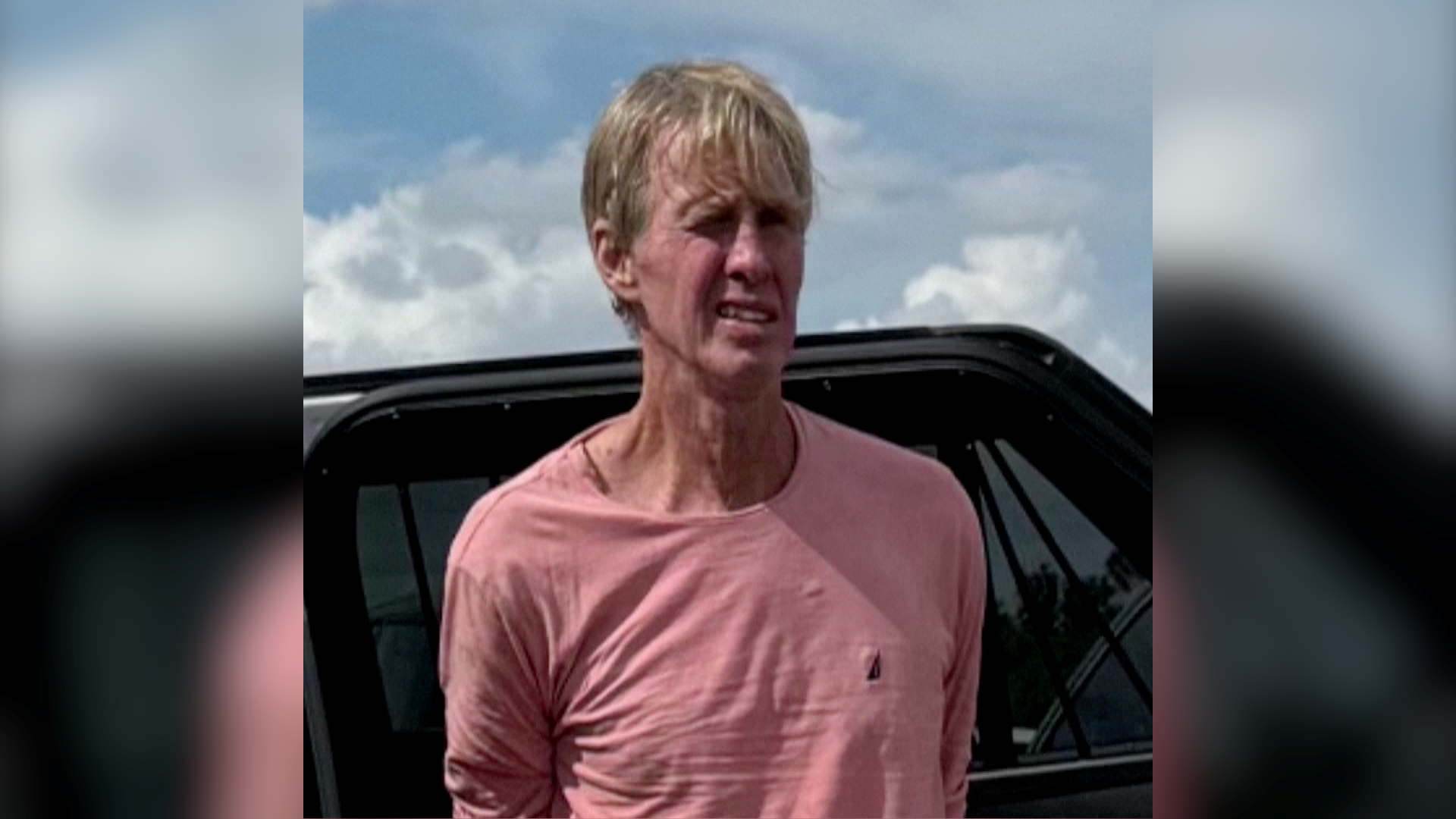

Ryan Routh, the man convicted last year of attempting to kill then-presidential candidate Donald Trump in 2024, is appealing his life sentence.
Routh’s attorney filed a brief notice on Feb. 13, indicating that he would appeal the final judgment and life sentence to the U.S. Court of Appeals for the 11th Circuit.
After jurors found Routh guilty of all five counts last year—including attempted assassination of a major presidential candidate, which can carry a maximum sentence of life in prison—he pushed for a lighter sentence, citing his decision to fire his previous defense attorneys and represent himself in court.
“Defendant recognizes that he was found guilty by the jury but asserts that the jury was misled by his inability to effectively confront witnesses, use exhibits or affirmatively introduce impeachment evidence designed to prove his lack of intent to cause injury to anyone,” Martin Roth, Routh’s current defense attorney, wrote in a filing from January.
U.S. District Judge Aileen Cannon had allowed Routh to defend himself in court, noting it was his constitutional right.
During Routh’s sentencing hearing on Feb. 4, prosecutors said that Routh had plotted for months to kill Trump and staked out the president’s West Palm Beach, Florida, golf club long before he was spotted in the tree line by then-Secret Service Special Agent Robert Fercano in September 2024, two months before the presidential election.
Prosecutor John Shipley called for a life sentence, saying that Routh had been prepared to kill or assault anyone who interfered with his plan, had come close to carrying out the assassination, and showed no remorse.
“The Constitution affords citizens many peaceful avenues to oppose or express strong dissent about a Presidential candidate—murder is not one of them,” the government wrote in its sentencing memorandum.
Cannon sided with the Justice Department and said there was overwhelming evidence that Routh’s crimes satisfied the federal terrorism statute, suggesting only a life sentence would be adequate given his actions. She sentenced Routh to an additional seven years of prison for a gun charge and a combined $500 fine for his five convictions.
Routh repeatedly described himself as a peaceful, non-violent person in his defense arguments, a tactic that his attorney Roth deployed in calling for a lighter sentence.
Cannon rejected that notion, citing Routh’s long history of past criminal convictions and breaking “societal norms,” and said it was necessary to protect the public from potential “future crimes” committed by Routh.
Routh did not respond to a request for comment by publication time.
Jackson Richman contributed to this report.