
TV-G | 26m | Action, Drama, History | 2000–2025
“Rick Steves’ Europe” is a long-running public television travel series created and hosted by American travel writer and television host Rick Steves. It has produced 13 seasons since first airing nationally in 2000.
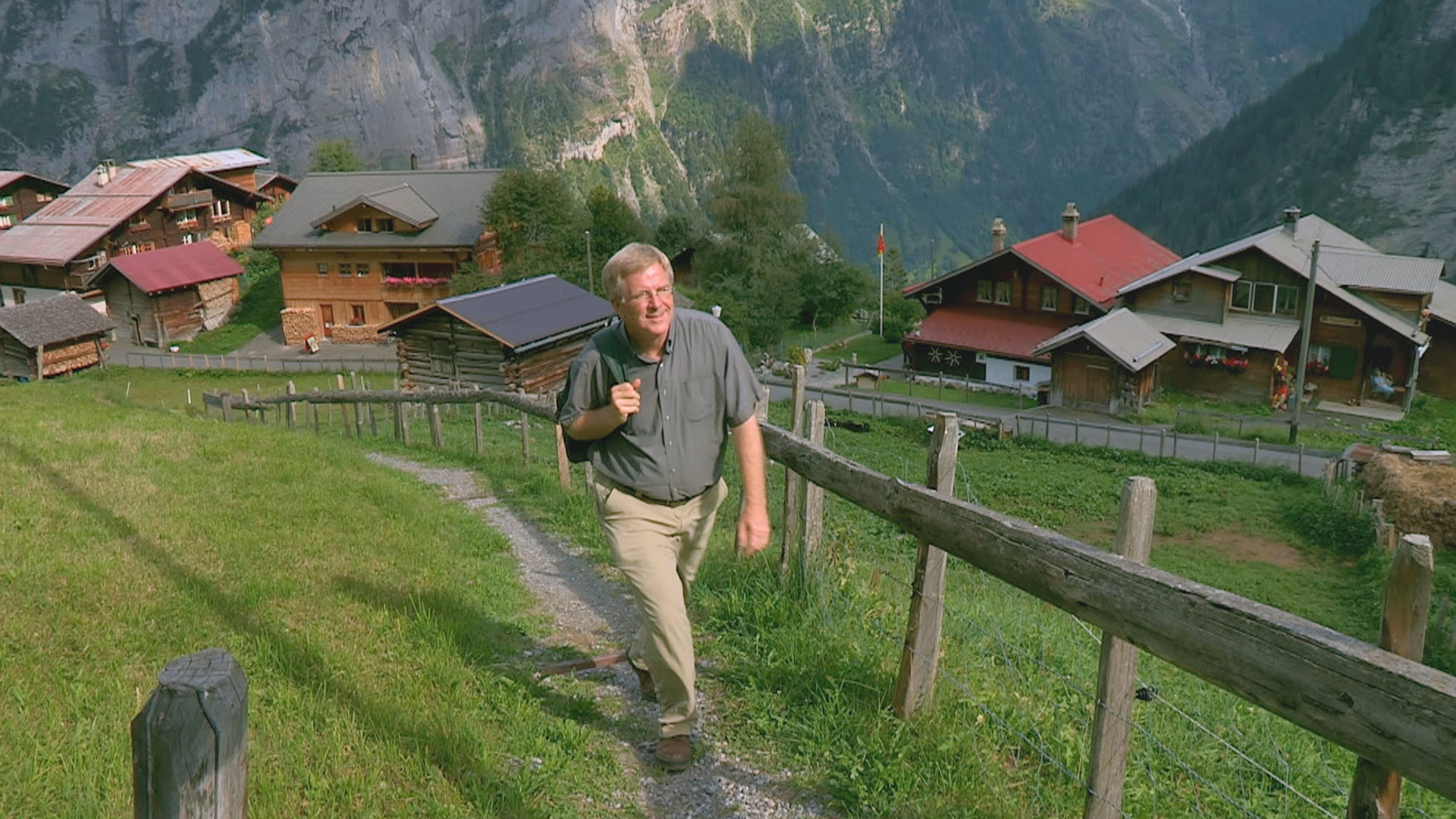
Steves appears on camera as both guide and narrator, moving through historic districts, museums, religious sites, rural landscapes, and everyday public spaces. The show’s structure follows a clear rhythm, pairing on-location visits with cultural background, practical travel advice, and historical context drawn from each destination’s past.

Rick Steves looks out over the Thames, taking in a city shaped by centuries of stories, in “Rick Steves' Europe.” (GJW+)
His programs invite a viewer’s rapt attention. Each episode runs roughly 26 minutes and focuses on a specific city, region, or travel theme across Europe. Week after week, he moves through cities, villages, and back roads with a sense of curiosity that never feels staged or hurried. For young viewers, it will feel like being handed a passport to strange and beautiful far-off lands.
The series emphasizes independent travel, encouraging viewers to understand transit systems, social norms, and regional traditions before arriving. While the show revisits popular destinations like Paris, Rome, and London, it also devotes attention to smaller towns, border regions, and lesser-known cultural pockets that shape Europe’s broader story.
Living History
Steves has always blended the joy of travel with real historical awareness. He’s never treated history as a lecture or a test of memory. Stories come first. People come first. Context then follows without friction. A cathedral, a café, or a mountain path becomes more than scenery.
The cinematography emphasizes geography and movement through space rather than visual trickery. The editing supports orientation and understanding, allowing viewers to grasp how locations connect rather than rushing past them. Music and ambient sound are used sparingly, reinforcing a sense of place without competing for attention.
Episodes often weave together architecture, art history, food traditions, and local customs while maintaining a focus on how people live within these places today. Steves interacts with residents, artisans, historians, and local guides, giving each visit a human point of reference instead of treating locations as postcard stops.
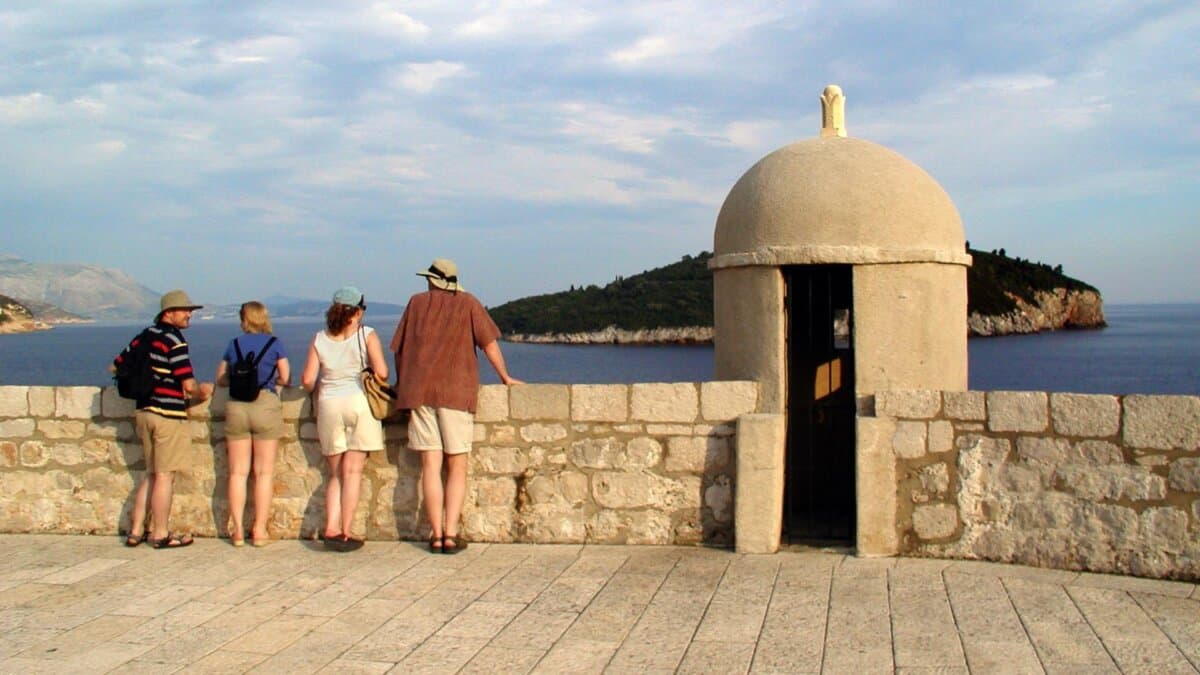
The Balkans are explored in “Rick Steves' Europe.” (GJW+)
Why the Series Endures
The heart of “Rick Steves’ Europe” has always been the way Steves moves from playful moments to serious cultural insights with complete ease. In one episode, he’s sitting with regulars in an English pub, asking whether half-pints are even a thing and what people would think if he ordered one, only to be told they'd assume he’s a lightweight.
In another, he turns his attention to history and lineage, talking about Portugal’s Vienna-born King Ferdinand II with the same relaxed confidence. That fluidity keeps the program alive and engaging for viewers who want more than simple sightseeing.

Rick Steves visits one of my favorites, Greece, in “Rick Steves' Europe.” (GJW+)
Steves seems delighted by the quirks of each place he visits. Whether he’s examining a centuries-old manuscript in a monastery archive or wandering through a crowded street market, there’s a clear sense that he’s enjoying the experience for its own sake. This makes his presence disarming and brings a sense of companionship to the screen.
The show balances practical guidance with cultural context. Rick takes time to talk about local transit, etiquette, and seasonal rhythms alongside the history of cathedrals or fortresses. A potential traveler comes away knowing how to navigate a neighborhood, what questions to ask, and why a particular monument mattered to people who lived there in bygone days.
There are moments that will make viewers laugh or think about his banter with street musicians or cafe cooks. Other moments may give pause as he’s walking through an ancient gate and reflecting on everything that passed through it for generations.
The series also includes humor through end-credit outtakes, where Steves jokes about missed lines or on-camera slipups that weren’t used in the episode itself. These moments show a willingness to leave imperfections visible and acknowledge the process behind the program.
At its best, “Rick Steves’ Europe” encourages curiosity and respect for the places viewers intend to visit. Travel is about learning and perspective as much as sightseeing.
“Rick Steves’ Europe” is available on GanJingWorld.
‘Rick Steves’ Europe’
Starring: Rick Steves, Anne Steves, Jackie Steves
MPAA Rating: TV-G
Running Time: 26 minutes/episode
Release Date: Sept. 3, 2000
Rated: 4 stars out of 5
What arts and culture topics would you like us to cover? Please email ideas or feedback to features@epochtimes.nyc