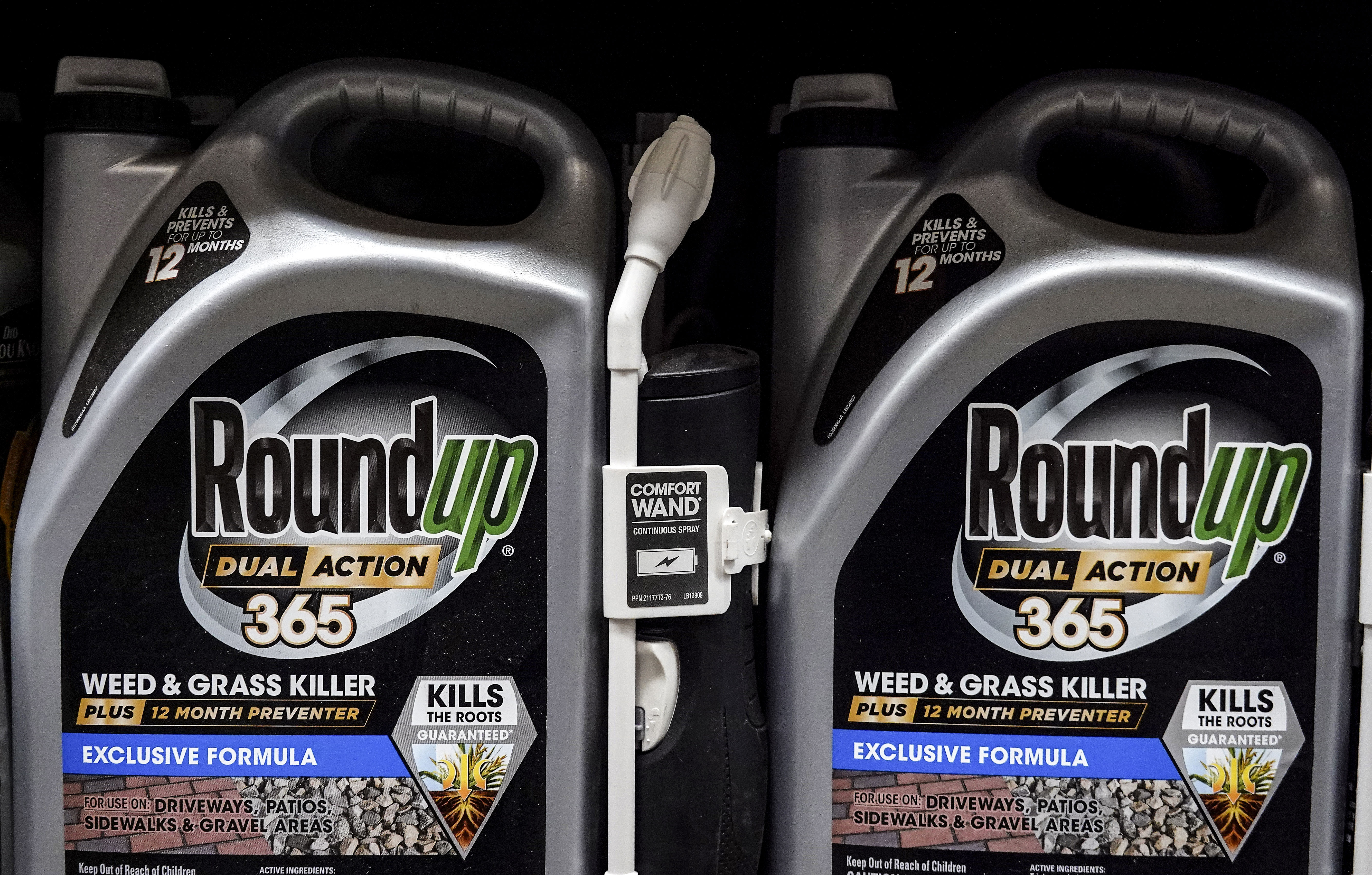

A Missouri judge on Nov. 20 approved a proposed $7.25 billion nationwide settlement with Germany-based agrochemical giant Bayer over lawsuits alleging that its weed killer Roundup causes lymphoma, a cancer of the lymphatic system.
In an 84-page ruling, Missouri Circuit Judge Timothy Boyer in St. Louis found that the settlement agreement was “fair, reasonable, and adequate,” saying that it served “the best interests” of the class representatives and all settlement class members.
The settlement amount was “among the largest” ever reached in mass tort personal injury class action cases, according to the ruling.
Bayer acquired Roundup maker Monsanto in 2018. The judge said the settlement requires Monsanto to make payments over 17 to 21 years or more to resolve current and future claims from people who allege that Roundup caused them to develop non-Hodgkin lymphoma.
“Absent settlement, only a small fraction of plaintiffs would receive a trial date in the foreseeable future, and should litigation continue, it is possible that the defendant could enter into a bankruptcy proceeding, delaying claims with no payment for an indeterminate number of years,” Boyer said.
In a statement, Bayer CEO Bill Anderson called the court’s final approval of the settlement agreement “a decisive milestone” in the company’s strategy to mitigate the risks of both pending and future Roundup litigation.
In its statement, Bayer said Monsanto would fund the settlement with declining, capped annual payments for up to 21 years, totaling up to $7.25 billion, including payments already made. The company said the arrangement would give it greater certainty and control over litigation costs for current and future claims.
The settlement covers people who allege exposure to Roundup before Feb. 17, 2026, and who either have a non-Hodgkin lymphoma diagnosis now or receive one within 16 years of the settlement agreement’s effective date, according to the statement.
“Monsanto pursued the class settlement to significantly contain the litigation, and the settlement agreement does not contain any admission of liability or wrongdoing,” the statement said. Bayer also said the approval order can be appealed, and that an appeal would pause further payments by Monsanto until all appeals were exhausted.
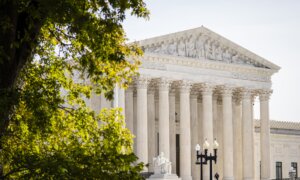
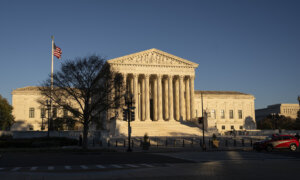
The settlement was approved just months after the U.S. Supreme Court overturned in June a $1.25 million jury award for Missouri resident John Durnell, who blamed years of exposure to glyphosate in Roundup for his non-Hodgkin lymphoma.
Durnell had argued that Monsanto should have included a cancer warning on Roundup’s label. In a 7–2 decision, the Supreme Court sided with Monsanto, ruling that federal pesticide law preempted Durnell’s state-law failure-to-warn claim. Writing for the majority, Justice Brett Kavanaugh said federal law requires Monsanto to use the label approved by the Environmental Protection Agency (EPA), which does not include a cancer warning.
Christopher Seeger, a lawyer for many of the plaintiffs, said the Durnell decision narrowed the ability of Roundup users to pursue claims in court.
“We look forward to getting this relief into the hands of all Roundup victims as quickly as possible,” Seeger said in a statement.
Bayer said in its statement on Friday that the EPA and every other major regulatory body worldwide that has assessed glyphosate-based herbicides has found they can be used safely and are not carcinogenic.
In a draft human health risk assessment released in December 2017, the EPA concluded that glyphosate is “not likely to be carcinogenic to humans” and found no other meaningful risks to human health when it is used according to the label. The agency said it is updating that assessment and expects to complete it in late 2026.
Meanwhile, the International Agency for Research on Cancer, a specialized cancer agency of the World Health Organization (WHO), in 2015 classified glyphosate as “probably carcinogenic to humans,” a hazard classification to show that glyphosate can cause cancer, not the probability of getting it.
Reuters contributed to this report.