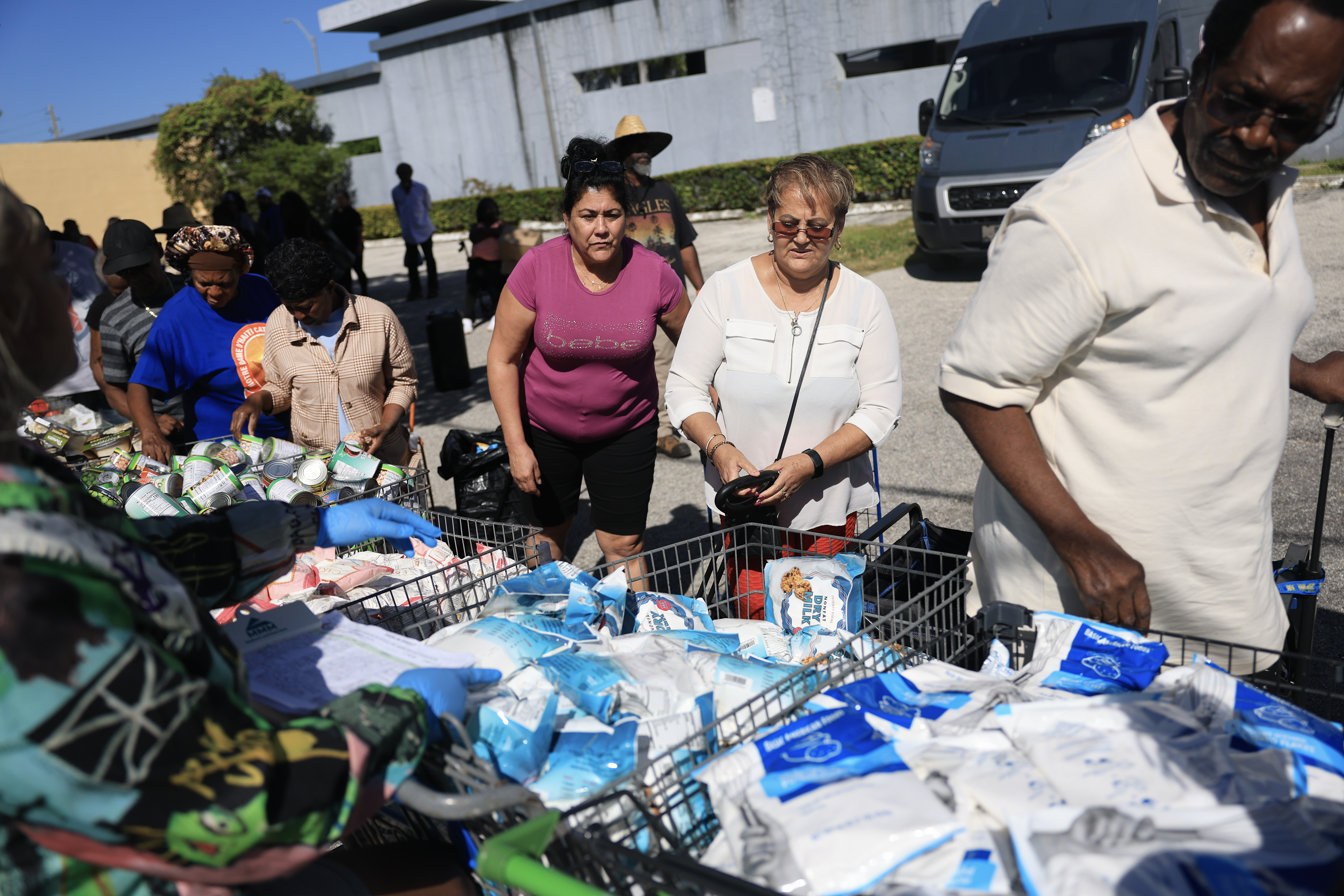
Food stamps from the federal government are set to be paused on Nov. 1 because of the government shutdown, absent action from Congress or a federal judge.
Here are the states that have issued emergency declarations over the pending loss of Supplemental Nutrition Assistance Program (SNAP) benefits.
Delaware
Gov. Matt Meyer, a Democrat, on Oct. 29 declared an emergency and ordered state money to be used to keep SNAP benefits flowing to recipients.
“Delaware is stepping up to protect those who depend on SNAP benefits, many of them working parents, children, and seniors,” Meyer said in a statement.
The payments will be made weekly. They will only be made in November, as of now.
Louisiana
Gov. Jeff Landry, a Republican, signed an emergency declaration on Oct. 24 that he
said would help fund SNAP benefits for certain people.
Elderly, disabled, and young beneficiaries will receive money as usual in November, thanks to state funding, Landry said during an Oct. 29 briefing.
Nearly 800,000 Louisiana residents receive SNAP benefits.
Some 53,000 SNAP participants who are designated able-bodied adults will not receive the money, officials said.
Maryland
Maryland Gov. Wes Moore, a Democrat, on Oct. 30
declared an emergency.
Moore also signed an order providing $10 million in funding to groups that provide food.
“We will keep taking this week by week, and work with our legislative partners to do the most we can with the resources we have,” Moore said in a statement.
More than 680,000 Maryland residents participate in SNAP.
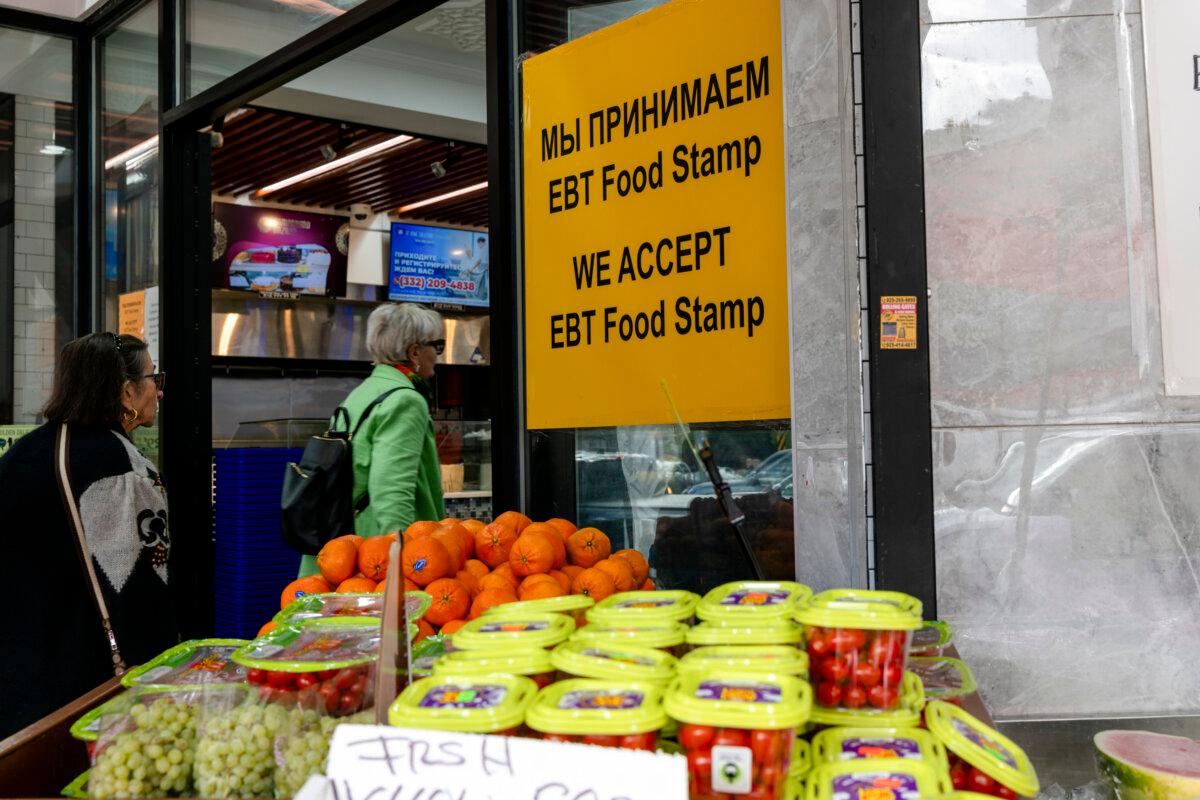
People shop for food at a store that accepts food stamps in New York City, in an undated file photograph. (Spencer Platt/Getty Images)
New York
New York Gov. Kathy Hochul, a Democrat, declared an emergency on Oct. 30 and said her administration identified $65 million in new funding, on top of $41 million that was already committed.
“That'll provide over 56 million meals to help stock our food pantries and our distribution centers,” Hochul told reporters on Oct. 30.
Some of the funding is going to the Hunger Prevention and Nutrition Assistance Program, which works with food pantries and other emergency food providers.
Other money will be supplied to Nourish NY, which sends surplus farm products such as milk to relief organizations.
Oregon
Oregon Gov. Tina Kotek, a Democrat, declared a food security emergency, which her office
said activates state agencies to make sure emergency food can reach families.
The declaration also makes sure Oregon will be ready to resume SNAP payments quickly after the shutdown ends, the office said.
The governor directed officials to deploy $5 million in excess funds to food banks.
Kotek said that Oregon was supporting vulnerable people and called on residents “to do what they can to help their neighbors.”
Rhode Island
Rhode Island Gov. Dan McKee, a Democrat, on Oct. 28
declared an emergency due to the pending pause of SNAP.
The declaration ordered officials to “immediately take all necessary actions to provide emergency food assistance to certain designated SNAP-eligible households by supplementing the unavailable SNAP benefit disbursements, as agreed upon and to the extent possible, until the lapse in federal SNAP funding ends.”
McKee’s office said the state would be using up to $6 million to provide emergency payments to some families with children to offset the loss of SNAP benefits.
About 145,000 Rhode Island residents on SNAP receive a total of about $29 million in benefits per month.
Virginia
Virginia Gov. Glenn Youngkin, a Republican,
declared an emergency on Oct. 23.
That enabled the creation of a new program that will provide money to SNAP recipients on the same cards they usually use, Youngkin said on Oct. 28.
The benefits will be paid weekly instead of monthly because officials hope the shutdown ends soon.
“The Virginia Emergency Nutrition Assistance effort will be very similar to SNAP–but is a complex, challenging solution,” Youngkin said. “However, we must ensure our most vulnerable Virginians are not without basic nutrition.”
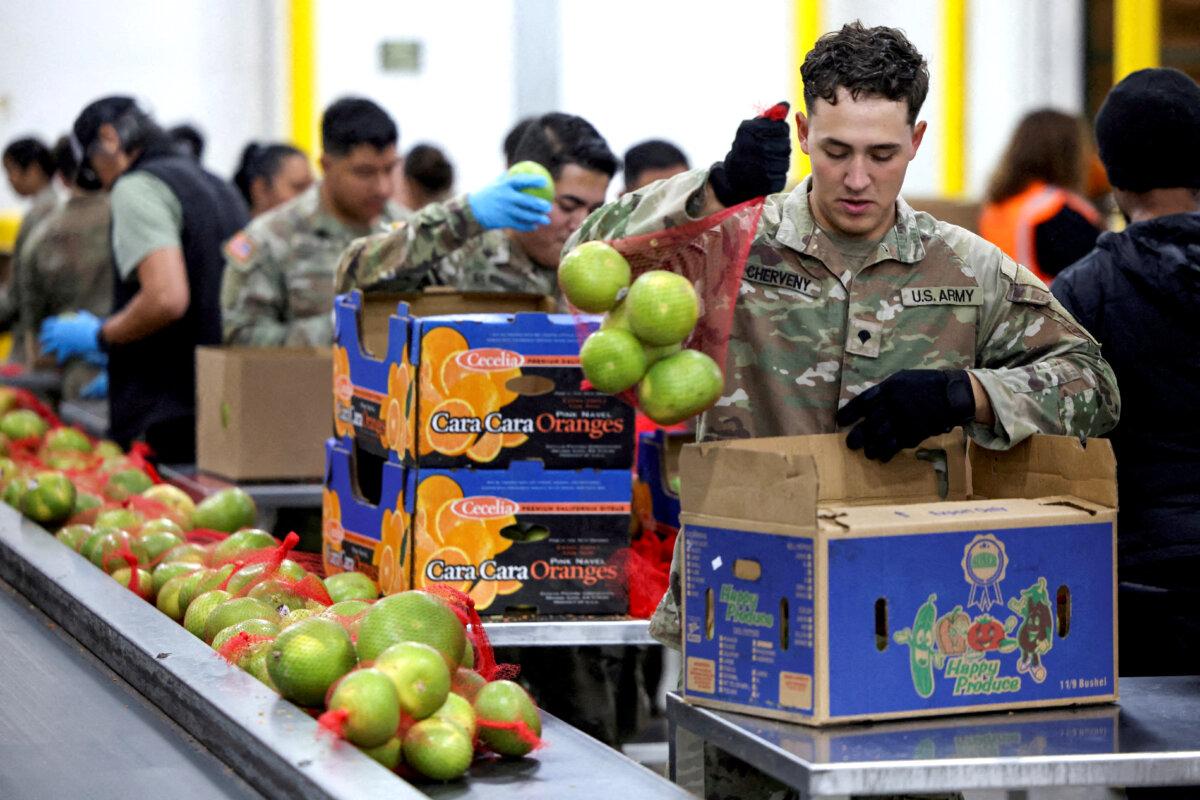
A member of the National Guard packs food at a Los Angeles Regional Food Bank facility, as nearly 42 million Americans face a potential lapse in Supplemental Nutrition Assistance Program (SNAP) benefits, known as food stamps, due to the second-longest U.S. government shutdown, in Los Angeles on Oct. 29, 2025. (Daniel Cole/Reuters)
Other states have not declared emergencies, but are releasing emergency funds to address the situation.
They include Colorado, where lawmakers approved a request to release $10 million in emergency funds to food banks and pantries; Connecticut, which is using $3 million in emergency funding to help a nonprofit that distributes food; and Hawaii, where officials said they have committed $42.2 million to provide $250 emergency payments to eligible people.