
Chevron Corp. signed a 20-year agreement with Microsoft to develop a power facility dedicated to a future data center in West Texas, creating one of the largest combined projects of its kind in the country, the company announced June 22.
The two companies have been collaborating on the project—dubbed “Project Kilby”—which will use natural gas to power the growth of artificial intelligence (AI).
“AI is reshaping the global economy, and abundant, affordable, reliable energy is essential to refueling that transformation,” Jeff Gustavson, Chevron’s president of new energies, said in a statement.
“Chevron is uniquely positioned to deliver power to customers with certainty, speed, and at a competitive cost, leveraging Permian natural gas and our proven execution capabilities.”
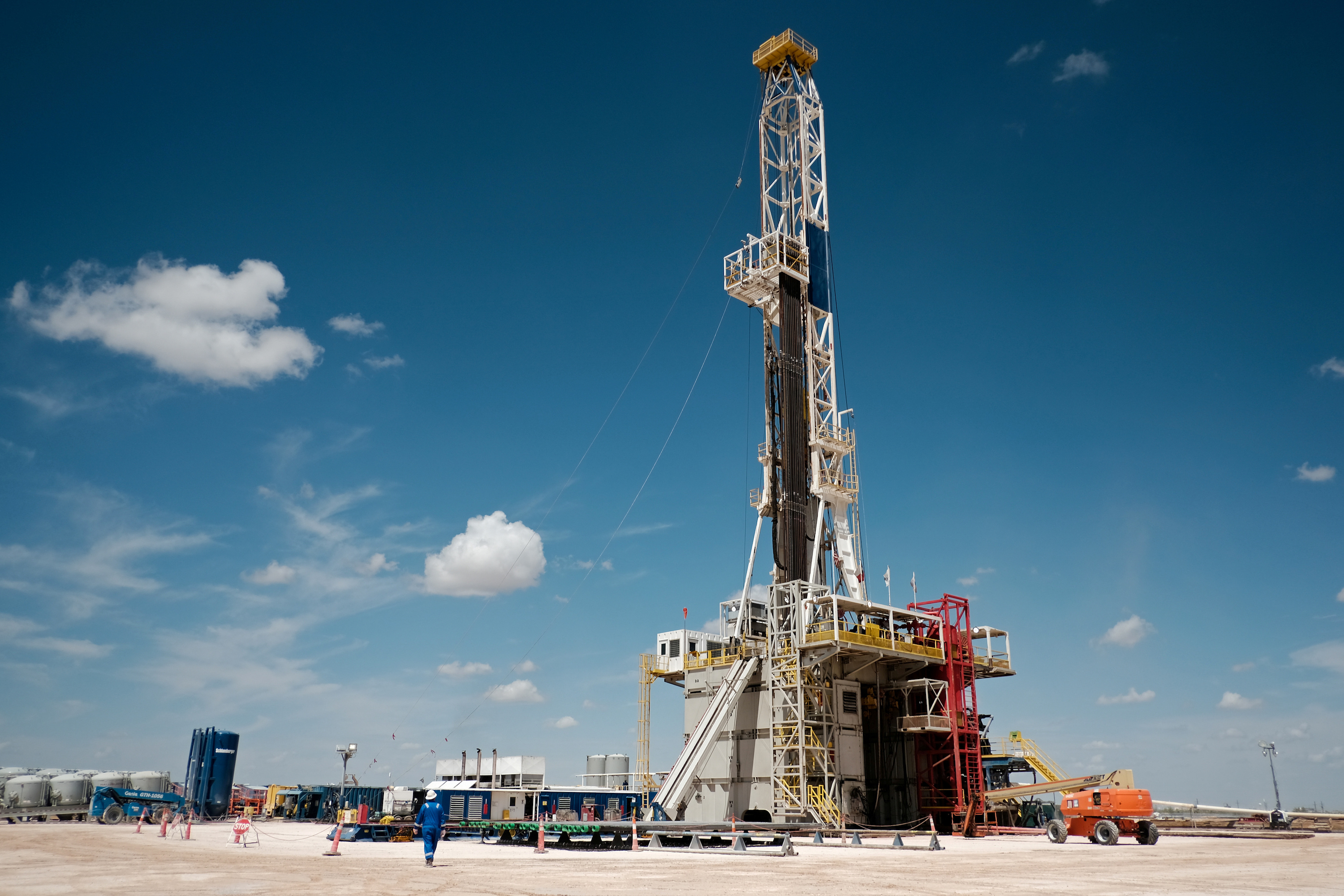
The project is located on a 2,000-acre Microsoft campus near Pecos, Texas, about 85 miles south of Carlsbad, New Mexico, in the prolific Permian Basin.
The Chevron power plant will deliver about 2.67 gigawatts of electricity, enough to power more than 2 million homes a year, according to the Carbon Collective. The plant will use large GE Vernova natural gas turbines with additional capacity provided by Caterpillar solar turbines.
The project has not yet started construction in Reeves County. The Houston-based oil supermajor is expected to make a final investment decision on the project by the end of this year, subject to the completion of “other necessary conditions,” the company said.
If plans move forward, the data center would expect to receive power starting in 2028.
Microsoft’s multibillion-dollar investment in data centers in the San Antonio region is part of the U.S. community AI infrastructure plan that the company introduced earlier this year, which includes reducing water consumption and electricity costs.
Microsoft’s president of cloud operations, Noelle Walsh, said the company’s rapid growth in AI and cloud requires energy infrastructure that can grow quickly and reliably.
“Our agreement with Chevron helps ensure we’ll have dedicated, large-scale power to support the evolution and reliability of advanced compute,” Walsh said. “Through this partnership, we’re delighted to grow with and become a deeper part of the West Texas community.”
Project Kilby could become one of the largest co-located natural gas power and data centers in the United States, according to Chevron.
The project is expected to generate about $10 billion in state and local tax revenue, support almost 2,000 jobs, and drive broader economic growth, Chevron said.
Chevron is also working on solutions to reuse water from its oil and gas operations in the region. The plan design would incorporate advanced air emissions control technology to reduce nitrogen oxide emissions and measures to minimize noise and light effects on the surrounding communities.
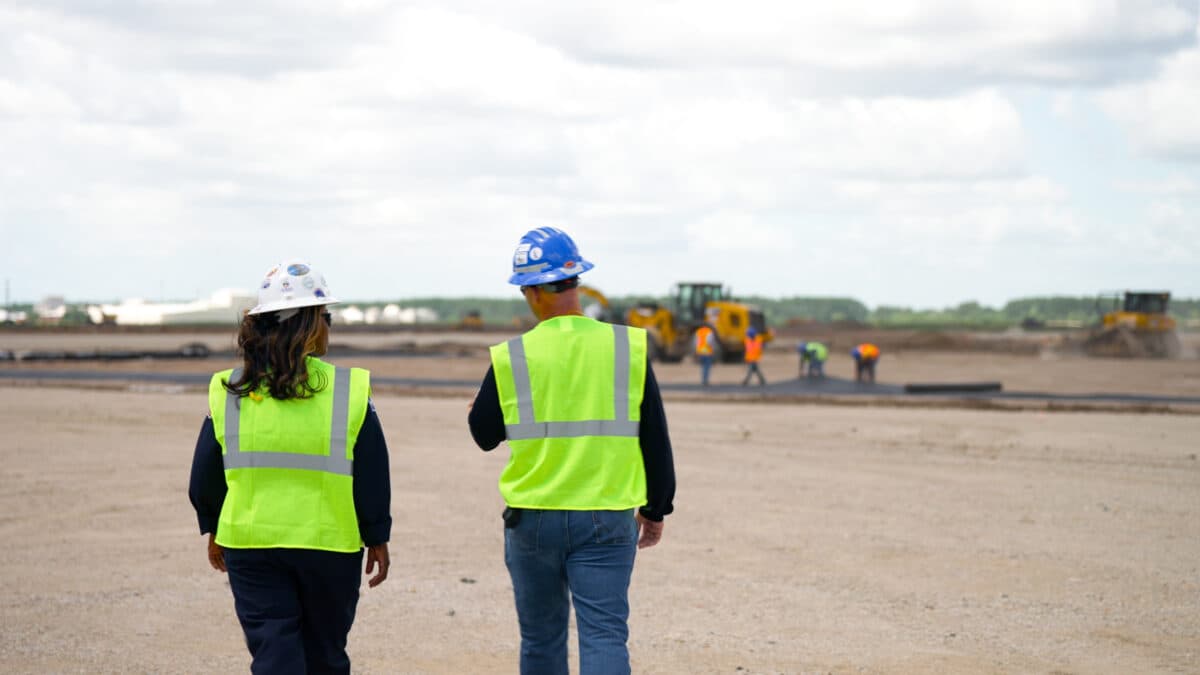
Chevron Phillips Chemical and QatarEnergy announce plans to build an $8.5 billion polymers facility in Orange, Texas. (Courtesy of Chevron Phillips Chemical)
Chevron’s state application, filed through its subsidiary Energy Forge One LLC, for a tax break on the project was approved by the Texas Comptroller for recommendation in January.
In the application, Chevron stated it had ordered seven GE Vernova natural gas turbines for its data center plan. Five would be used with the West Texas project.
In the application, Chevron’s Energy Forge told the state that without tax incentives, the costs at the location would prohibit the project from being built.
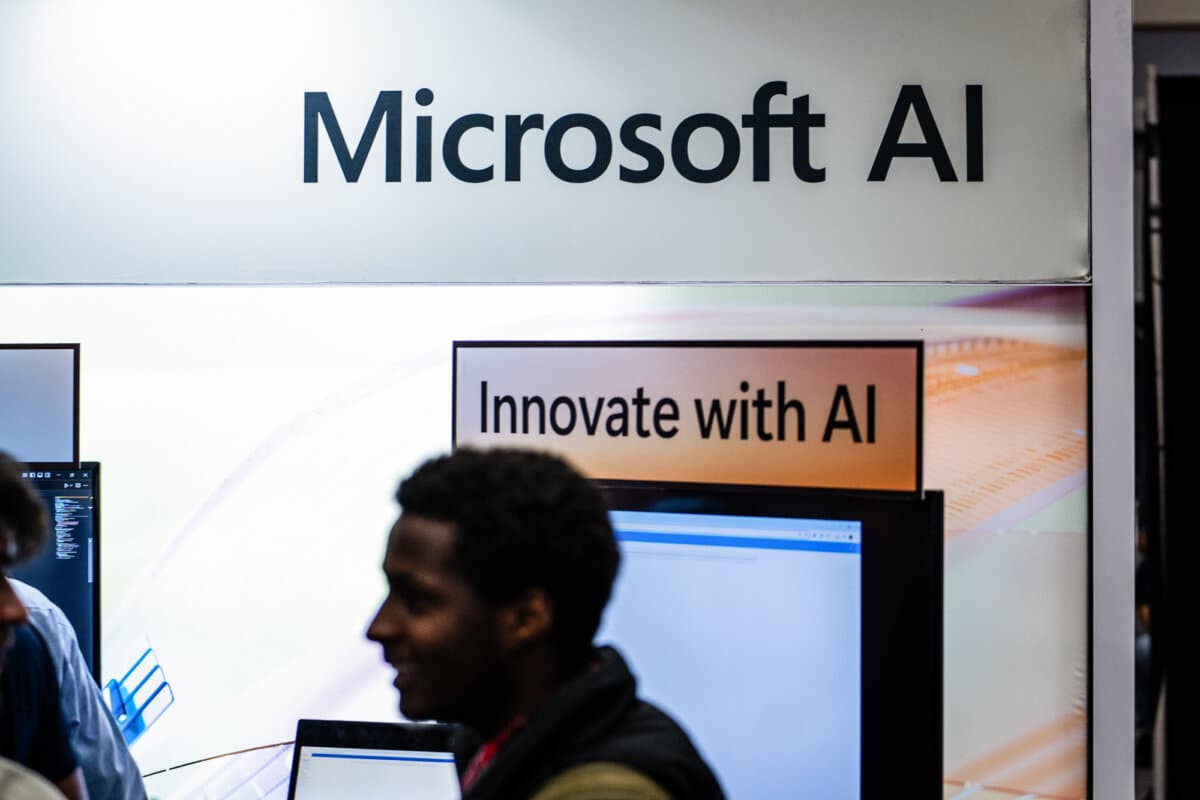
A Microsoft AI booth is shown during the AI+Expo Special Competitive Studies Project in Washington on June 2, 2025. (Madalina Kilroy/The Epoch Times)
The local school board approved the project’s application for tax abatement and sent it to the state for consideration of tax incentives.
Chevron’s project could net more than $227 million in tax savings over a 10-year period through the Texas Jobs, Energy, Technology, and Innovation Act, a program designed to draw projects to the state.
Correction: A previous version of this article misspelled the name of Microsoft President of Cloud Operations Noelle Walsh. The Epoch Times regrets the error.