
The U.S. Bureau of Land Management (BLM) will open more public land for oil and gas drilling in Alaska, the agency announced on Dec. 22.
BLM updated an activity plan for the National Petroleum Reserve on Alaska’s North Slope that reopens an area nearly the size of South Carolina to oil and gas leasing, overturning Biden-era restrictions.
The decision restores the National Petroleum Reserve’s purpose as a strategic domestic energy supply, according to BLM.
Alaska Gov. Mike Dunleavy said the decision to open the land for development was a “major step forward for our state and for America’s energy future.”
“By reopening nearly 82 percent of the 23-million-acre reserve to responsible oil and gas leasing, this decision restores balance, strengthens our energy security, and creates opportunities for good-paying jobs while maintaining strong environmental standards. Alaska stands ready to help power the nation,” Dunleavy said in a post on X.
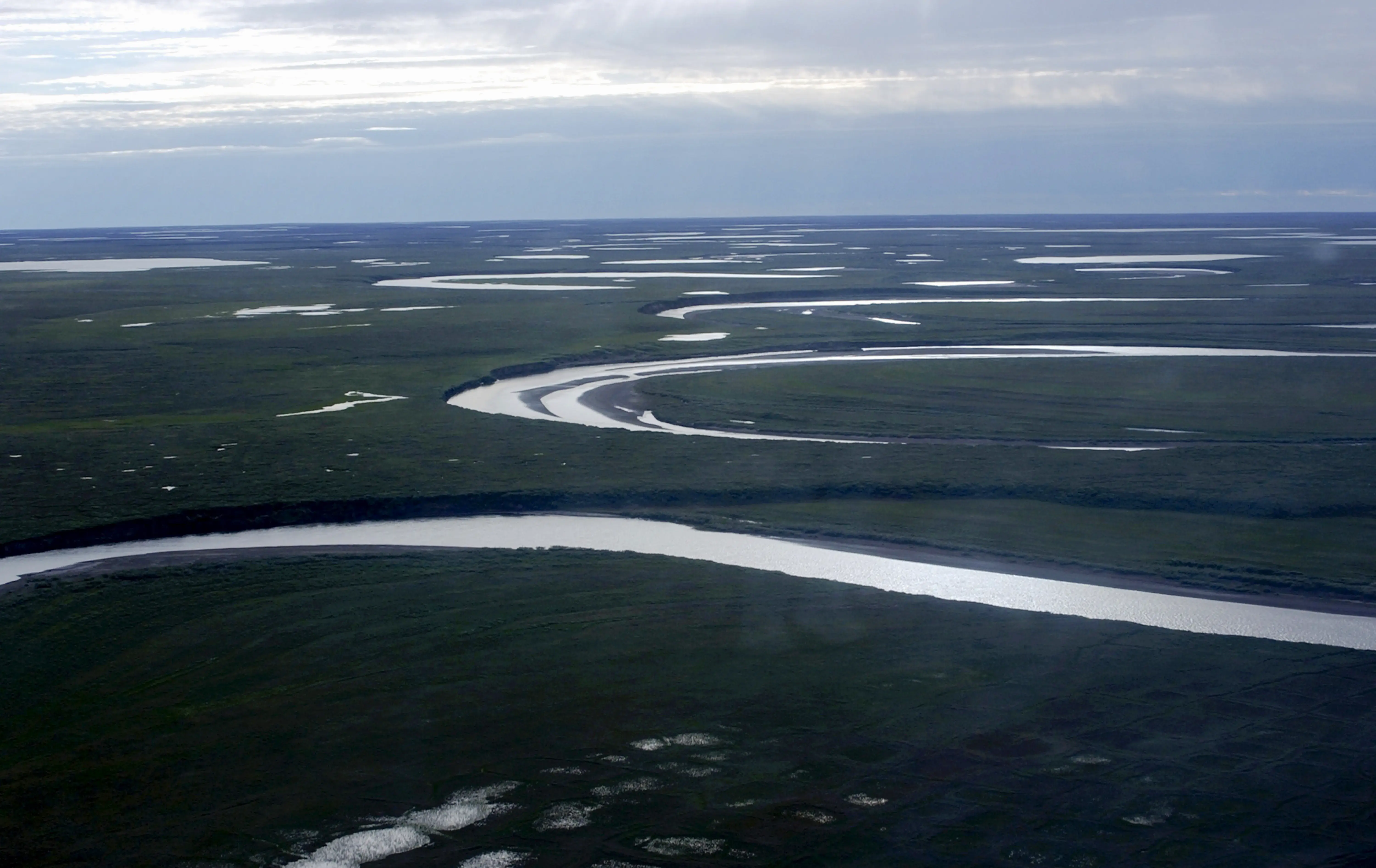
The reserve spans millions of acres of treeless plains, meandering rivers, and lush wetlands that are home to caribou, migratory birds, polar bears, wolves, and native communities.
The Trump administration’s plan opens the reserve from 11.8 million acres to more than 18.5 million acres.
“This updated plan is a major step forward in restoring the National Petroleum Reserve in Alaska to the purpose Congress intended,” acting BLM Director Bill Groffy said in a statement.
“By opening more of the reserve to responsible development, we are helping meet national energy needs while continuing the legacy begun in the 2020 plan for thorough environmental review and strong engagement with Alaska communities.”
The Trump administration finalized a rule on Nov. 13 rescinding Biden-era restrictions on oil and gas drilling on the North Slope.
Former Interior Secretary Deb Haaland canceled seven oil and gas leases issued in the Alaska National Petroleum Reserve in 2023 as part of her climate action agenda.
By reopening the reserve, the agency is following the direction set by President Trump to unlock Alaska’s energy potential, create jobs for surrounding communities, and strengthen American energy security, Interior Secretary Doug Burgum said.
Monday’s decision comes weeks after the Trump administration announced it had also approved new oil drilling leases off the coasts of California, Florida, and Alaska.
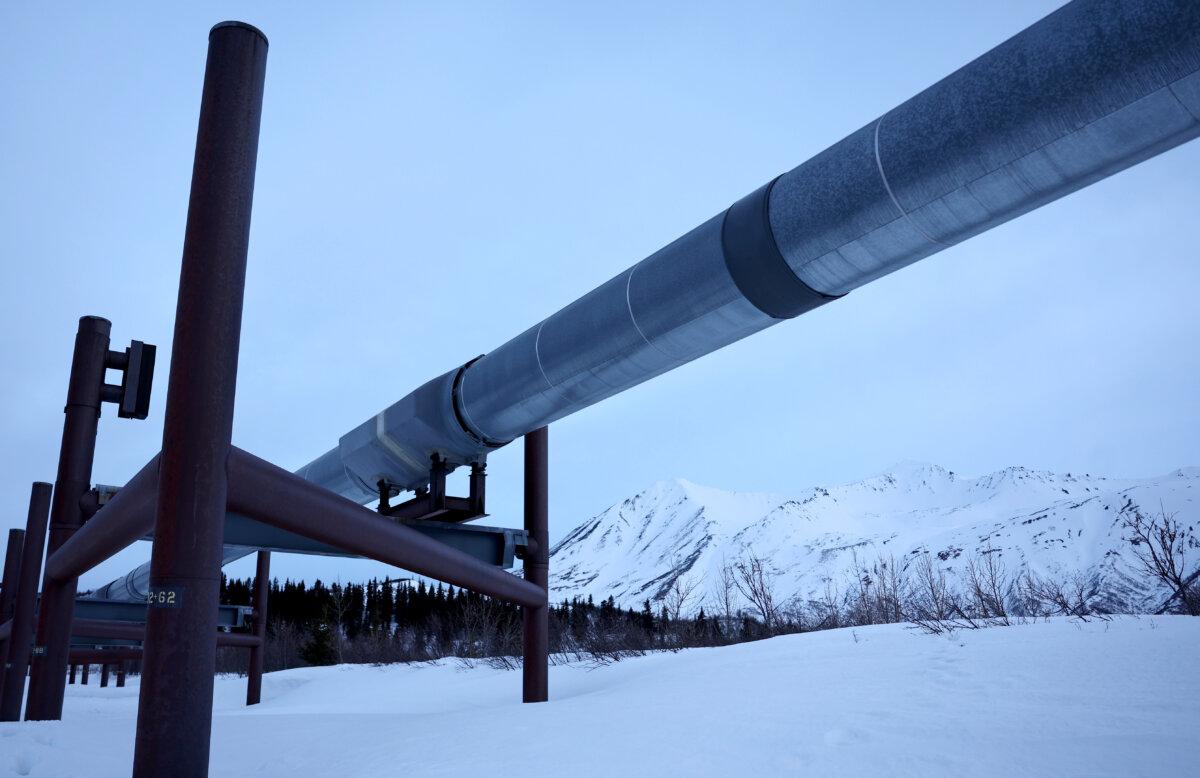
Part of the 800-mile-long Trans-Alaska Pipeline System runs past the Alaska Range mountains, near Delta Junction, Alaska, on May 5, 2023. (Mario Tama/Getty Images)
Burgum signed an order, “Unleashing American Offshore Energy,” directing the Bureau of Ocean Energy Management to potentially sell up to 34 leases off the coast of Alaska, seven in the Gulf near Florida, and six along the California coast.
Congress first established the reserve, formerly known as the Naval Petroleum Reserve Number 4, as a strategic domestic energy source to support the military’s energy needs during wartime. Legislation passed in 1976 gives the secretary of the Interior Department control of oil and gas leasing and development on the reserve.
“The plan approved today gives us a clear framework and needed certainty to harness the incredible potential of the reserve,” said BLM Alaska State Director Kevin Pendergast in a statement.
Congressman Nick Begich (R-Alaska) called it “great news.”
“In Congress, we are working closely with the Administration to deliver results for Alaska and restoring Alaska’s role as a strategic domestic energy powerhouse,” Begich posted on X.
BLM completed an environmental study to evaluate any new information that emerged since 2020 and consulted with tribes and the state’s native corporations as part of the process. The agency also held a 14-day public comment period on the assessment.
Over 300,000 people, including frontline indigenous communities, spoke out against the Trump administration’s decision to overturn the Biden-era rule that protected 13 million acres in the National Petroleum Reserve during the comment period this year.
“We are extremely disheartened that the Trump administration announced it will take away protections for our lands in the Western Arctic,” said Rosemary Ahtuangaruak, executive director of Grandmothers Growing Goodness, in a statement.