
This Chinese film portrays an old woman’s heroic battle for a palsied young man’s soul.
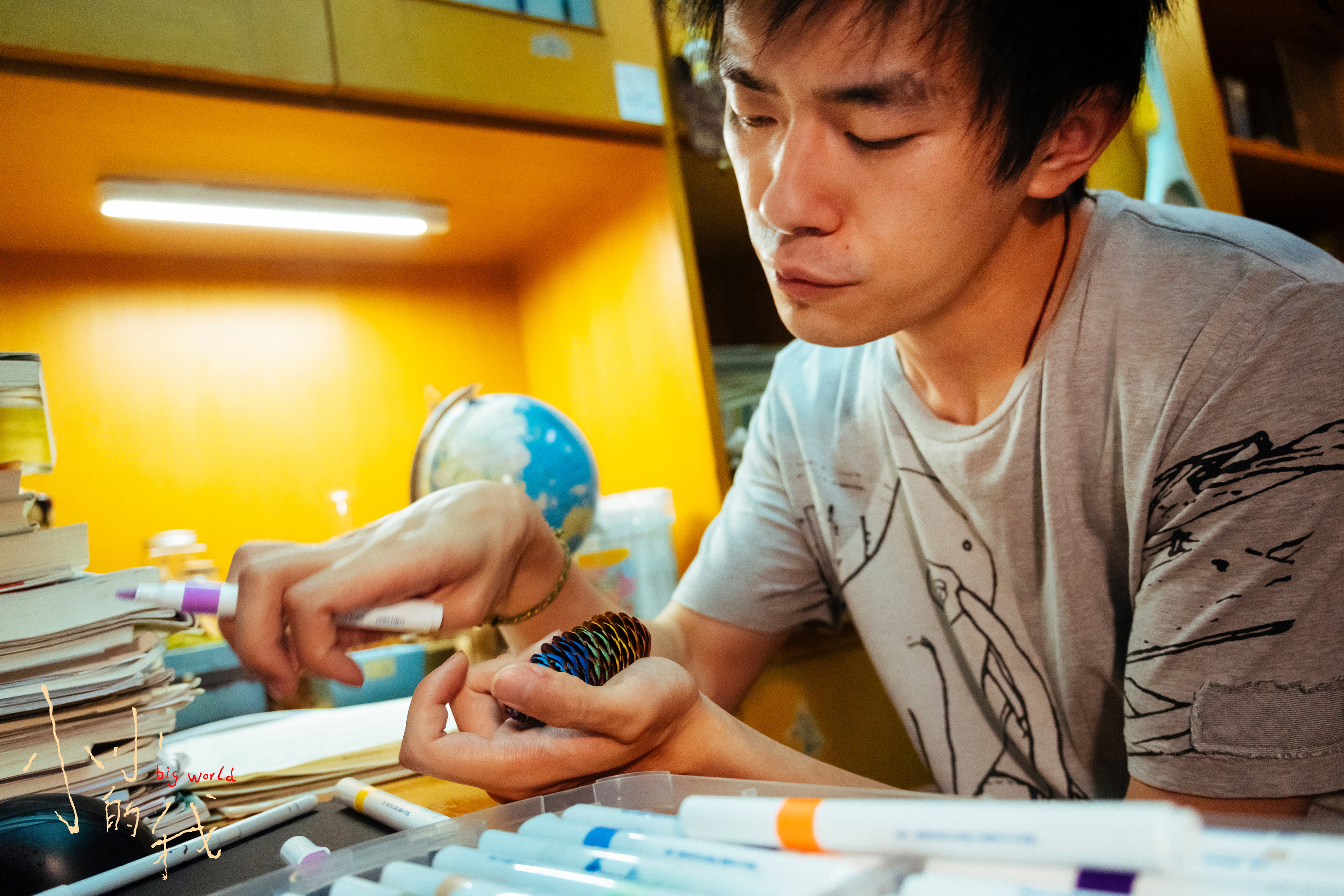
Astute, articulate, ambitious 20-year-old Liu Chunhe (Jackson Yee) has struggled with cerebral palsy all his life. Superficially, it’s his mother, Chen Lu (Jiang Qinqin), who cares for him; in reality, it’s his maternal grandmother, Chen Suqun (Diana Lin), who does.
Unwittingly, Lu treats him like a child, insisting on his dependence and retarding his ambition under her notion of love. The childlike and often childish Suqun, though, treats him like an adult, insisting on his independence and widening his world.
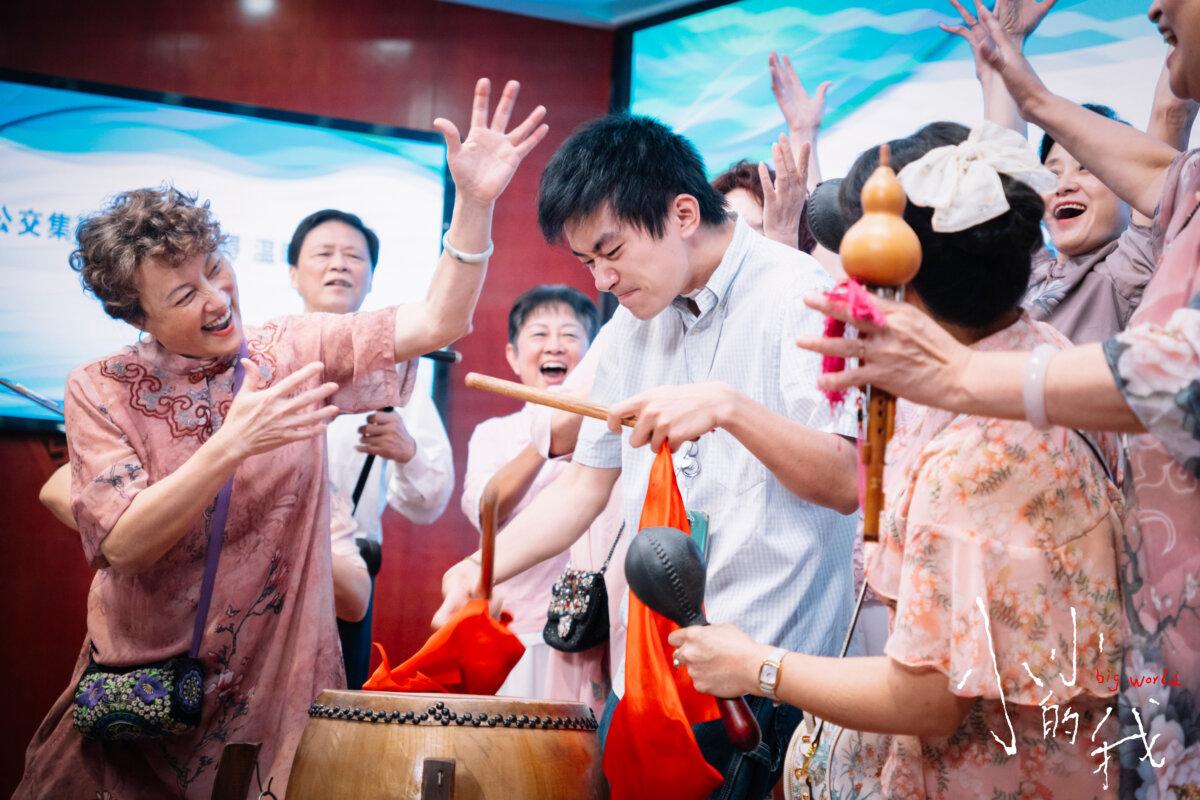
Chen Suqun (Diana Lin) and Liu Chunhe (Jackson Yee), in “Big World.” (Shanghai Gengxi Film)
Lu wants Chunhe to stay at a special-needs school nearby. However, Suqun supports his shot at becoming a lecturer in the Department of Chinese Literature at a faraway “normal” university.
As both mother and grandmother ponder what kind of women they want to be for his sake, Chunhe ponders the kind of man he must be, for their sake and his. From the everyday smallness of others who fear, mock, or pity him, Chunhe intuits that the world is big and can be bad. With a surer sense of himself, can he at least make his world a little bigger and perhaps a little better?
Ostensibly, the film encourages sensitivity to the physically disabled. More deeply, however, it ponders crippled personhood. We may inherit our race, color, sex, language, health, sickness, and even our religion. What we make of our inheritance is up to us.
We don’t choose our parents or siblings, but we have dozens of choices every day that can draw us closer to family or push us farther apart. Yes, needier people often embrace handholding, whether physical or emotional, but support shouldn’t become suffocation. Care shouldn’t be an excuse for control.
An “accident of birth” may be a convenient phrase to explain away painfully real suffering. Nevertheless, Suqun’s joyful sacrifices suggest that there are no accidents. It’s up to us to imbibe (and impart) both meaning and purpose amid that suffering.
Motherhood can be a force for better or worse. Staying true to herself, Suqun plays proxy mother to Chunhe, hoping to compensate for her failings as Lu’s mother. With her help, Chunhe grows from an inward-looking invalid, nursing self-doubt, grievance, and victimhood, into a responsible man.
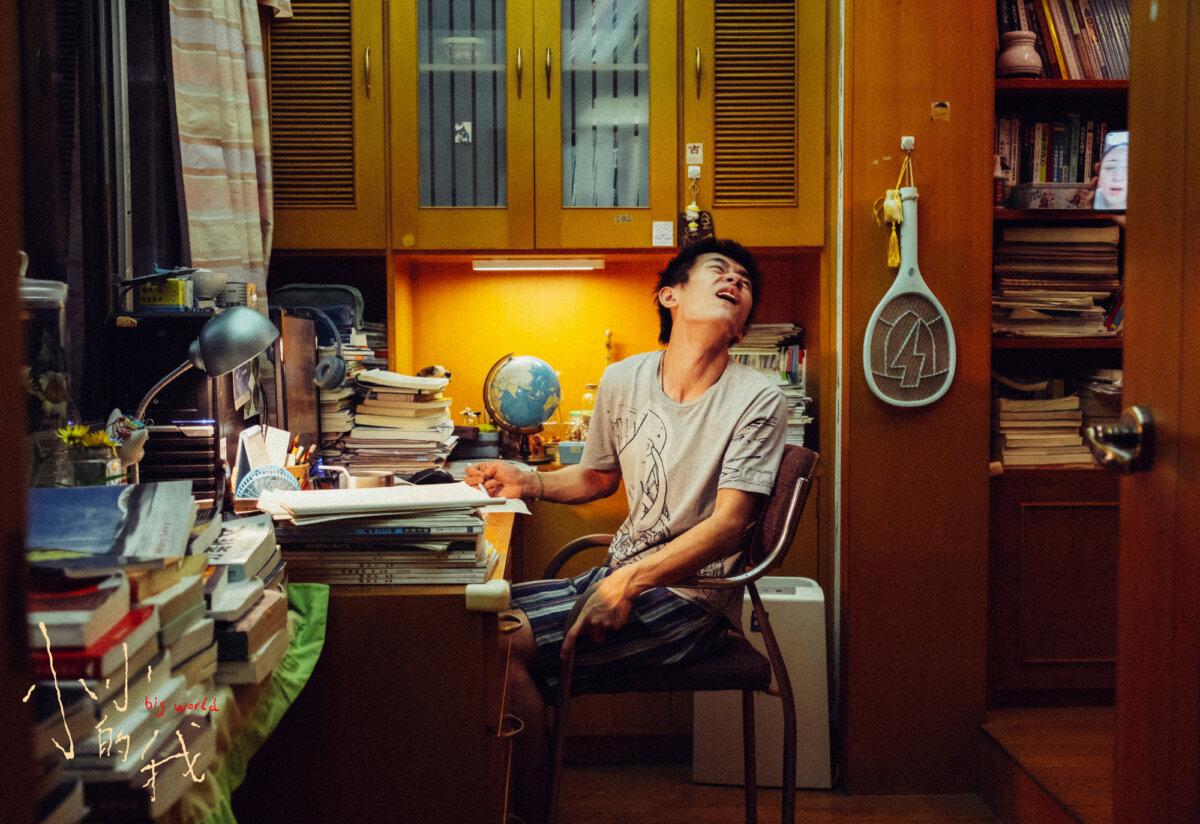
Liu Chunhe (Jackson Yee), in “Big World.” (Shanghai Gengxi Film)
He expresses gratitude for Suqun’s sacrifices by trying to be as selfless as she was. Tough love isn’t easy, but it’s almost always fruitful.
Physicality has its place, but it’s only a starting point. It’s what they do with their vulnerability, attractiveness, or beauty that elevates wise women above lesser women. Likewise, it’s responsible, restrained leverage of their physical strength that elevates wise men above lesser men. It’s what separates the truly crippled from the rest. Chunhe’s flailing physicality doesn’t make him less of a man.
The brain, powered by oxygenated blood, tells the body how and when to do things. That’s not meaningful living; it’s simply the mechanics of life, which is ultimately a small world. A big (or bigger) world lies in a meaningful inner life. In this world, a soul, powered by love, wills the heart and mind against all odds toward truth, beauty, and goodness. For example, look at Chunhe’s masterclass on moss.
A selfish soul is like a disordered brain, unable to control the faculties it’s supposed to order; the person then succumbs to self-loathing or vices. In this story, Chunhe’s body succumbs to spasms, but healthy self-worth heals the soul even if the body remains paralyzed.
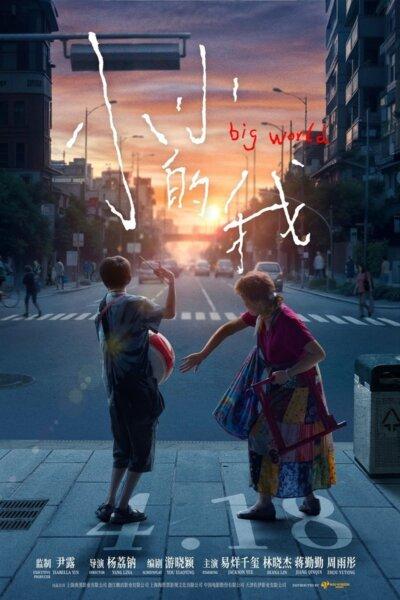
Media poster for "Big World." (Shanghai Gengxi Film)
Loving the Soul
Love is to the soul what oxygenated blood is to the brain. Robbed of it, everything’s disordered. Witness how Chunhe fights to straighten his twisted legs with braces, hoping that correcting an external deformity will correct an internal one. He’s not to blame for external contortions, but he is responsible for internal ones.
If anything, Chunhe’s love for poetry tells him that he’s more than his body; it tells him he’s meant for higher, nobler things. Individual agency doesn’t mean he shouldn’t welcome help. His interdependence doesn’t necessarily undermine his independence.
Raging against rejection and ridicule, Chunhe toys with suicide. He gets the message when Suqun firmly rebukes him. Once, wracked by self-pity and half-blaming his parents, he says that he didn’t ask for this fraught life.
Frankly, who did? Chastised, he realizes that life’s a gift. Through Suqun’s unconditional love, he learns that, no matter how pathetic he thinks his life is, there’s always room for gratitude. That makes his life bearable and, yes, occasionally enjoyable.
Check the Internet Movie Database website for plot summary, cast, reviews, and ratings. You can watch “Big World” in theaters, Netflix and on YouTube.
These reflective articles may interest parents, caretakers, or educators of young adults, seeking great movies to watch together or recommend. They’re about films that, when viewed thoughtfully, nudge young people to be better versions of themselves.
What arts and culture topics would you like us to cover? Please email ideas or feedback to features@epochtimes.nyc