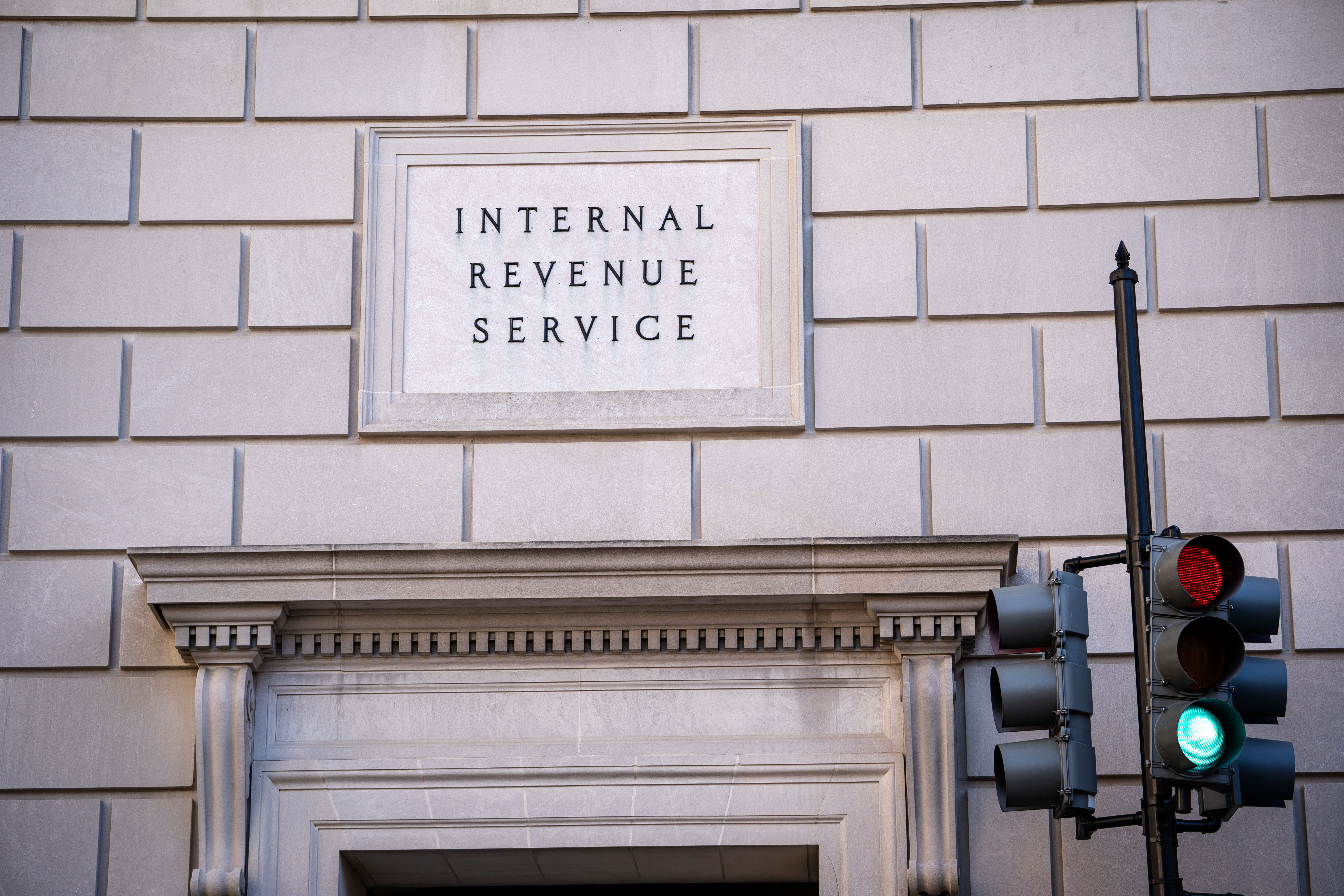

The Internal Revenue Service (IRS) and the Department of the Treasury issued guidance on Wednesday regarding the deduction for car loan interest payments made by taxpayers.
A statement from the IRS said that the One Big Beautiful Bill Act, signed into law by President Donald Trump in July, includes a provision regarding auto loan interest paid by car owners.
The provision allows owners who bought vehicles with final assembly in the United States to deduct up to $10,000 in car loan interest from their taxable income for 2025 through 2028.
The deduction applies to interest paid on vehicle loans incurred after Dec. 31, 2024, for the purchase of new, made-in-America vehicles, the IRS said. The tax benefits apply to taxpayers who take the standard deduction and to those who itemize deductions.
The newly issued guidance provides clarity on the eligibility criteria for such deductions, including qualifying loans, the amount of interest paid, and whether the vehicle is bought for personal use.
For instance, the guidance states that in addition to requiring the final assembly of vehicles to be in the United States, a vehicle must meet other conditions to be eligible for interest deductions, such as a gross vehicle weight rating of less than 14,000 pounds, and that the original use of the vehicle must have commenced with the taxpayer.
For determining whether final assembly occurred in the United States, a buyer can check the vehicle identification number at the National Highway Traffic Safety Administration website.
As for the $10,000 max deduction limit, it only applies to federal tax returns, the guidance clarified. “If two taxpayers have a Federal income tax return filing status of married filing separately, the $10,000 limitation would apply separately to each taxpayer’s return.”
If the modified adjusted gross income of a taxpayer for a year exceeds $100,000, the deduction limit decreases by $200 for every $1,000 in extra income. For married taxpayers filing a joint return, the cuts in deductions start once income exceeds $200,000.
The guidance clarified that while eligibility for loan interest deduction requires that the vehicle be used for personal purposes, there is no insistence that a vehicle be purchased “exclusively” for personal use.
“Requiring taxpayers to make a determination regarding the exact amount of expected personal use and non-personal use is not administrable and may result in a considerable burden to taxpayers, ” the guidance said.
Regarding deceased owners, some estates, formed to hold a deceased owner’s property for their heirs, may purchase new vehicles. These estates qualify for the loan interest deduction, the guidance said, adding that certain trusts, like qualified funeral trusts, may never be eligible.
Tariffs and Vehicle Sales
In a July 15 post, the Institute on Taxation and Economic Policy had suggested that the One Big Beautiful Bill Act’s car loan interest deduction would not completely offset the higher auto prices triggered by the Trump administration’s tariffs on these items.
The administration had instituted 25 percent tariffs on auto imports in April, followed by 25 percent tariffs in May on the import of auto parts in a bid to protect American manufacturing and counter the unfair trade practices of its trading partners. The rates have been adjusted for certain nations based on trade negotiations.
“The deduction would offset only 36 to 43 percent of tariff-induced price increases for working-class families while buyers with higher incomes could see offsets ranging up to 85 percent,” the institute said.
“On a $40,000 vehicle, the net price increase would range from $201 to $879 for eligible claimants and would be $1,363 for car buyers ineligible for the deduction.”
However, recent estimates show no decline in car sales in the country despite the implementation of higher tariffs.
According to a Dec. 17 post by industry expert Cox Automotive, new vehicle sales are expected to close 2025 up 1.8 percent year-over-year per estimates from Kelly Blue Book. New vehicle sales for the year are estimated to be 16.3 million, making 2025 the “best sales year since 2019,” it said.