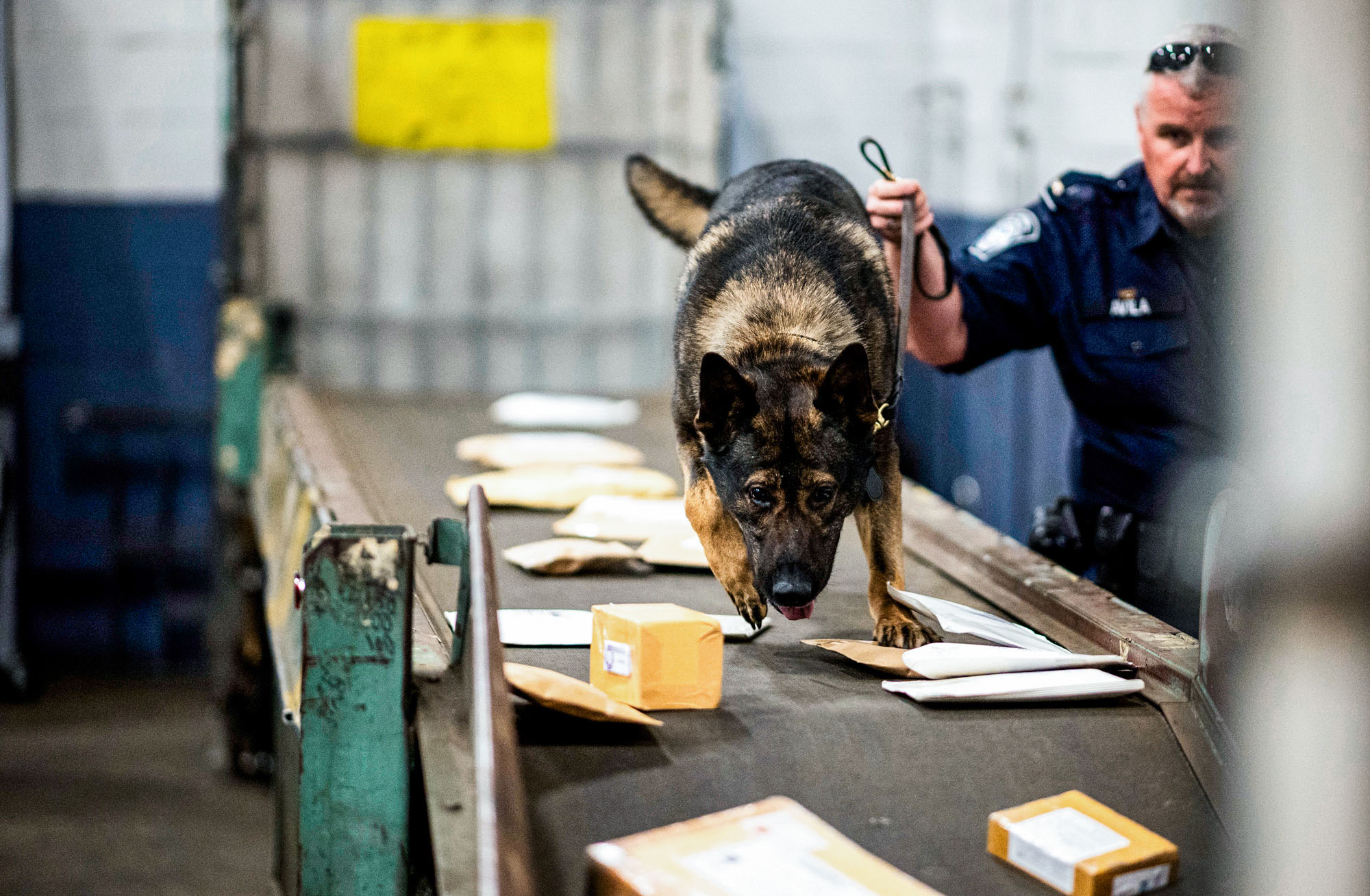

U.S. Customs and Border Protection (CBP) stated on Dec. 17 that it has collected more than $1 billion in tariff revenue from low-cost shipments since the de minimis tariff exemption was revoked earlier this year.
In April, President Donald Trump signed an executive order eliminating the de minimis exemption for goods originating from China and Hong Kong. The exemption had allowed duty-free entry into the United States for shipments or parcels valued at less than $800. The change took effect on May 2.
In July, Trump signed an executive order suspending de minimis treatment for goods entering from all countries, effective Aug. 29.
CBP stated that more than 246 million low-cost shipments have entered the country since the de minimis loophole was closed, generating more than $1 billion in tariff revenue.
“Reaching the $1 billion milestone so quickly shows just how much revenue was slipping away under the old rules,” CBP Commissioner Rodney Scott said in a statement. “With this change, American businesses don’t have to compete with duty-free foreign goods, and CBP has stronger oversight of what comes into our country.”
CBP stated that ending the de minimis loophole enabled it to collect revenue from those shipments, fully vet them, and prevent dangerous and illegal goods from reaching U.S. consumers.
Seizures of “unsafe and non-compliant low-value goods” have jumped by 82 percent since the tariff exemption began to phase out in May, according to the agency.
These goods included counterfeits, narcotics, faulty electronics, and items containing hazardous chemicals.
“With increased visibility into data for these low-value shipments, we’re better equipped to detect and disrupt criminal networks from smuggling drugs, counterfeits, and other illegal items—making our country safer,” Susan Thomas, acting executive assistant commissioner for CBP’s Office of Trade, said in the statement.
In a July 30 fact sheet, the White House stated that Trump revoked the tariff exemption on low-cost packages to close a “catastrophic loophole” used by foreign importers to bypass duties and flood the U.S. market with “below-market products that harm American workers and businesses.”
It also noted that the de minimis tariff exemption had been exploited to smuggle fentanyl and its precursors into the United States because of the lower security measures applied to low-value shipments.
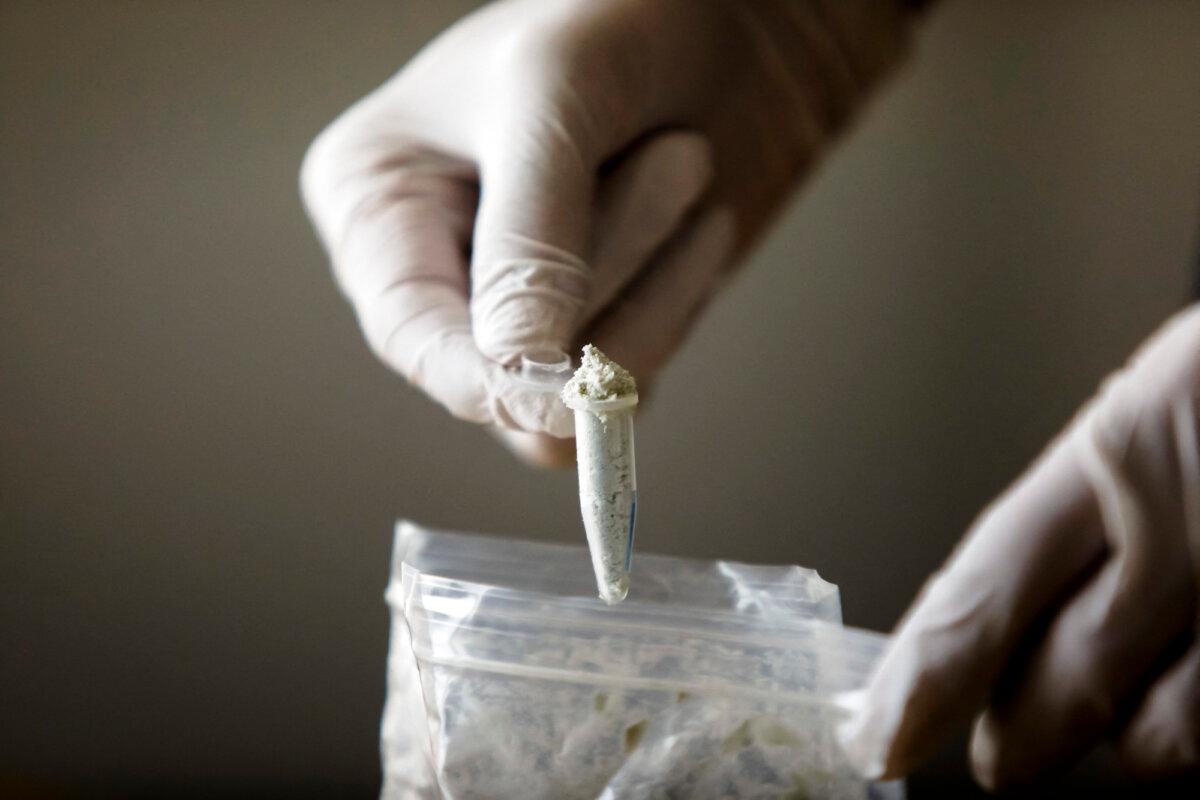
Fentanyl precursors are displayed at Reuters' office in Mexico City on Oct. 4, 2023. (Claudia Daut/Reuters)
The move had immediate consequences for Temu, one of the online shopping platforms that had profited from the de minimis exemption to sell and ship low-value items to the United States.
The company stopped shipping items directly from China to U.S. consumers after the tariff exemption for China and Hong Kong began to take effect in May.
Temu, which is run by a U.S.-based subsidiary of Chinese e-commerce giant PDD Holdings, stated at the time that the online marketplace is transitioning “to a local fulfillment model.”
Austin Alonzo contributed to this report.