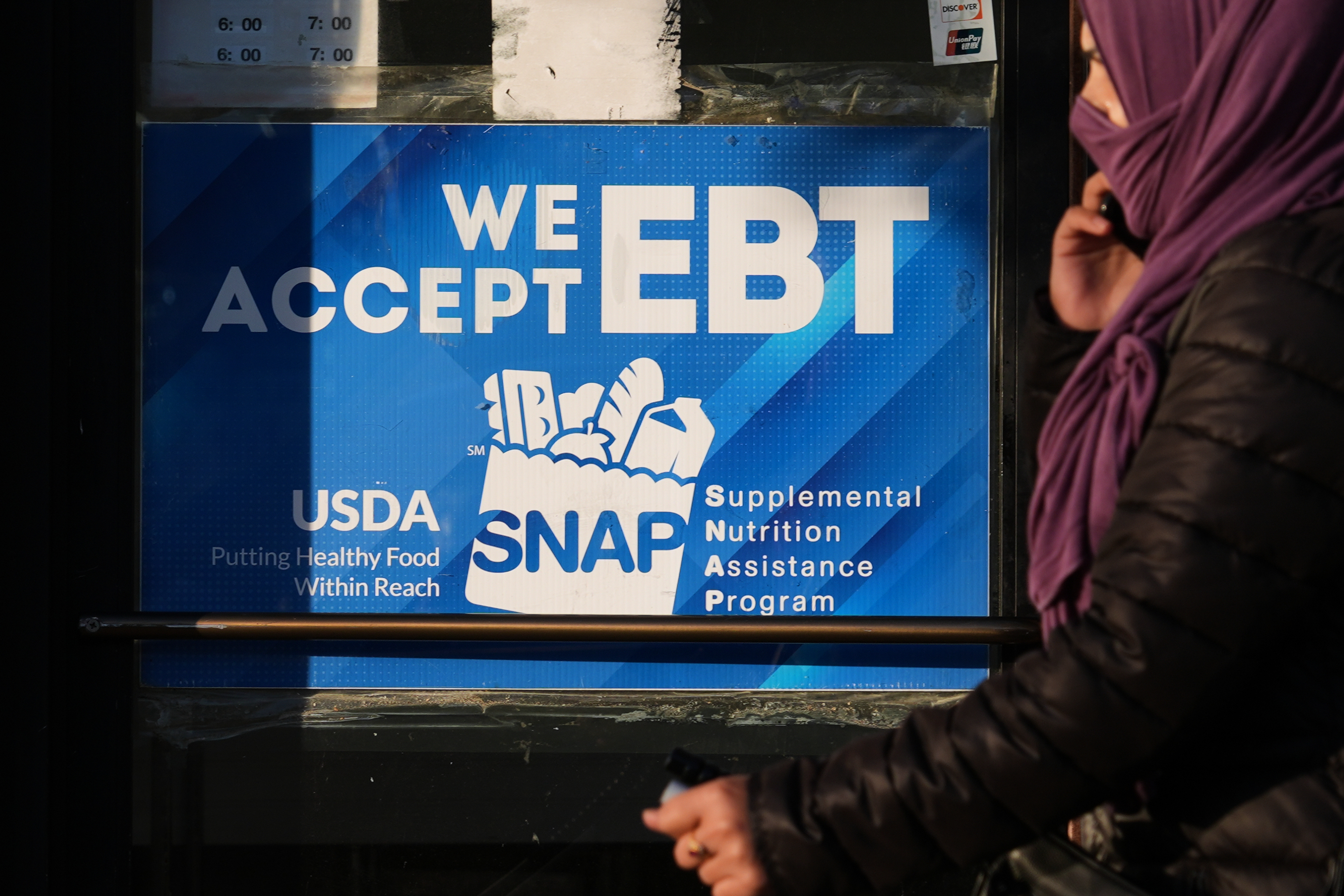
The Supplemental Nutrition Assistance Program (SNAP) has raised significant fraud concerns, according to the Department of Agriculture, which administers the program.
In a recent interview with Fox News, Secretary of Agriculture Brooke Rollins called the food stamps program “broken and corrupt.”
This assessment came more than a month into the government shutdown that threatened to cut off SNAP benefits entirely.
Rollins noted “massive fraud” uncovered by her agency and said she believes benefits should be reevaluated.
Here’s what we know about fraud in the SNAP program.
How SNAP Is Supposed to Work
Established in 1939, the SNAP program, also known as food stamps, is a federal nutrition assistance program that supplements the grocery budgets of low-income Americans.
It is administered at the federal level by the United States Department of Agriculture (USDA) and at the local level by state agencies that interface with applicants.
SNAP is the largest federal nutrition program in the United States, which served around 41.7 million people and cost the government nearly $100 billion in 2024.
More than 261,000 stores participate in the program, which allows eligible individuals to purchase certain foods with an Electronic Benefits Transfer (EBT) card.
The amount of funds added to the card depends on the household’s financial situation and the number of dependents.
According to the USDA, in 2024, the average benefit per person was approximately $187 per month, and just over 12 percent of Americans received SNAP benefits.
Unlike other nutrition programs, such as Women, Infants, and Children (WIC) or child-targeted nutrition programs, SNAP is not limited to a specific group.
As of 2023, adults aged 18 to 59 accounted for nearly 42 percent of participants, while children aged 17 and under accounted for about 39 percent. Adults aged 60 and above accounted for 19.5 percent of the program.
Growing Fraud Concerns
Rollins said in a Nov. 2
post on X that 21 states refused to send data for review to the Trump administration’s Department of Government Efficiency (DOGE).
The request was sent to all 50 states shortly after the Trump administration took over in January of this year, she said, and within the 29 states that cooperated, “massive fraud” was found in the form of thousands of cases of illegal immigrants and deceased individuals receiving benefits.
As a result of that audit alone, approximately 700,000 individuals have been removed from SNAP benefits, and more than 100 arrests have been made in connection with fraudulent SNAP benefits.
Overpayment rates climbed from 2 percent in 2012 to more than 10 percent in 2023, according to research from the Mercatus Center at George Mason University. That disparity alone costs taxpayers around $10 billion annually.
“The levels of waste, fraud, and abuse in federal programs have never been higher. Although these types of avoidable inefficiencies have always been too high, they have recently surged with the unusual degree of federal spending brought on by the global pandemic,” the report reads.
Similarly, in June 2024, the USDA reported that an estimated 11.7 percent, or around $10.5 billion, of SNAP benefits paid out in 2023 were improper payments, and this number is trending upward.
How Agencies Sort Fraud From Error
The difference between fraud and error in a system like SNAP is considered a serious issue. The Food and Nutrition Service within the USDA is responsible for administering nutritional programs, including SNAP.
Unlike an investigation that identifies specific cases of fraud, the nutritional services office estimates the improper payment rate using each state’s proportional share of benefits issued in a year.
Regional Food and Nutrition Service offices also monitor states’ progress in implementing corrective action plans assigned to states found to have handed out improper SNAP payments.
The national payment error rate nearly doubled between 2018 and 2023, according to the most recent report from the Congressional Research Service, released in April this year.
Since 2003, the cumulative total of improper payments has reached an estimated $2.7 trillion.
More Investigation Findings
In addition to the USDA and DOGE review uncovering widespread fraud, in May this year, a USDA employee and five other individuals were
charged with a sprawling fraud and bribery scheme that allegedly siphoned more than $66 million from the SNAP program.
Following the indictment, Rollins called the case “one of the largest” food stamp fraud strings in U.S. history.
“Almost $70 million—that is no longer going to be allowed here in Washington and with these programs like the food stamp program,” Rollins said in a clip of the interview she posted on her X account.
“This is not the one and only. There are gonna be many more to come, and we’re gonna make sure that we’re delivering on our promises to the taxpayers.”
She announced at that time that her department was working with the FBI and Department of Justice to root out “waste, fraud, and abuse” within the agency.
In addition to risks within the agency, merchants can perpetrate fraud when taking part in the SNAP program.
Also in May, two former merchants from Pennsylvania were each sentenced to 21 months’ imprisonment and ordered to pay nearly $1.1 million in restitution to the USDA’s SNAP program for defrauding the United States of benefits funds, according to the Justice Department.
What’s at Risk
In addition to the inappropriate use of taxpayer dollars, fraud in programs such as SNAP can jeopardize the availability of assistance to the needy.
SNAP aims to raise the nutritional intake of low-income individuals by increasing their ability to purchase healthy food.
Participants in the SNAP program have been found to have improved health outcomes, including reduced food insecurity and lower risk of heart disease and obesity.
Additionally, a study found that food insecurity in older adulthood was associated with increased dementia risk and faster memory decline.
Resources allocated to non-eligible individuals potentially deprive those in need during difficult times, such as the current government shutdown.
In her recent interview with Fox News, Rollins mentioned one individual who was found to be receiving benefits in six different states.
“It is time to drastically reform this program, so that we can make sure those who are truly needy, truly vulnerable, are getting what they need, and the rest of the corruption goes away, and we can serve the American taxpayer,” she said.
Fraud in Other Welfare Programs
SNAP is far from the only program plagued by reports of fraud and misuse.
The Government Accountability Office estimates that government-wide fraud losses ranged from $233 billion to $521 billion annually between 2018 and 2022.
Major programs such as the Earned Income Tax Credit, Unemployment Insurance, Medicare, and Medicaid account for more than 75 percent of improper payments within the federal government; in addition, Social Security Disability Insurance, Temporary Assistance for Needy Families, and other programs are included in those figures.
Unemployment Insurance and COVID-19 pandemic relief programs made up $2.2 billion in payment errors in the year 2022 alone, according to the Government Accountability Office.
What Comes Next
The USDA head and President Donald Trump have assured Americans that the current administration is committed to rooting out fraud within the agency.
In a USDA press release from July this year, Rollins said, “The generosity of the American taxpayer has long been abused by faulty interpretations of the 1996 welfare reform law.”
The press release states that the department’s current “vision includes taking swift action to minimize instances of fraud, waste, and program abuse” within initiatives such as SNAP.
The agency has made up to $5 million in grant funding available to states to implement the SNAP Fraud Framework.
The USDA has also established data-sharing guidelines that require states to provide SNAP records to the federal agency.
In February this year, Kailee Buller, chief of staff of the USDA, said in a statement, “The Trump Administration will immediately correct this egregious action, making certain material weaknesses like this do not happen again.”
Jack Phillips contributed to this report.