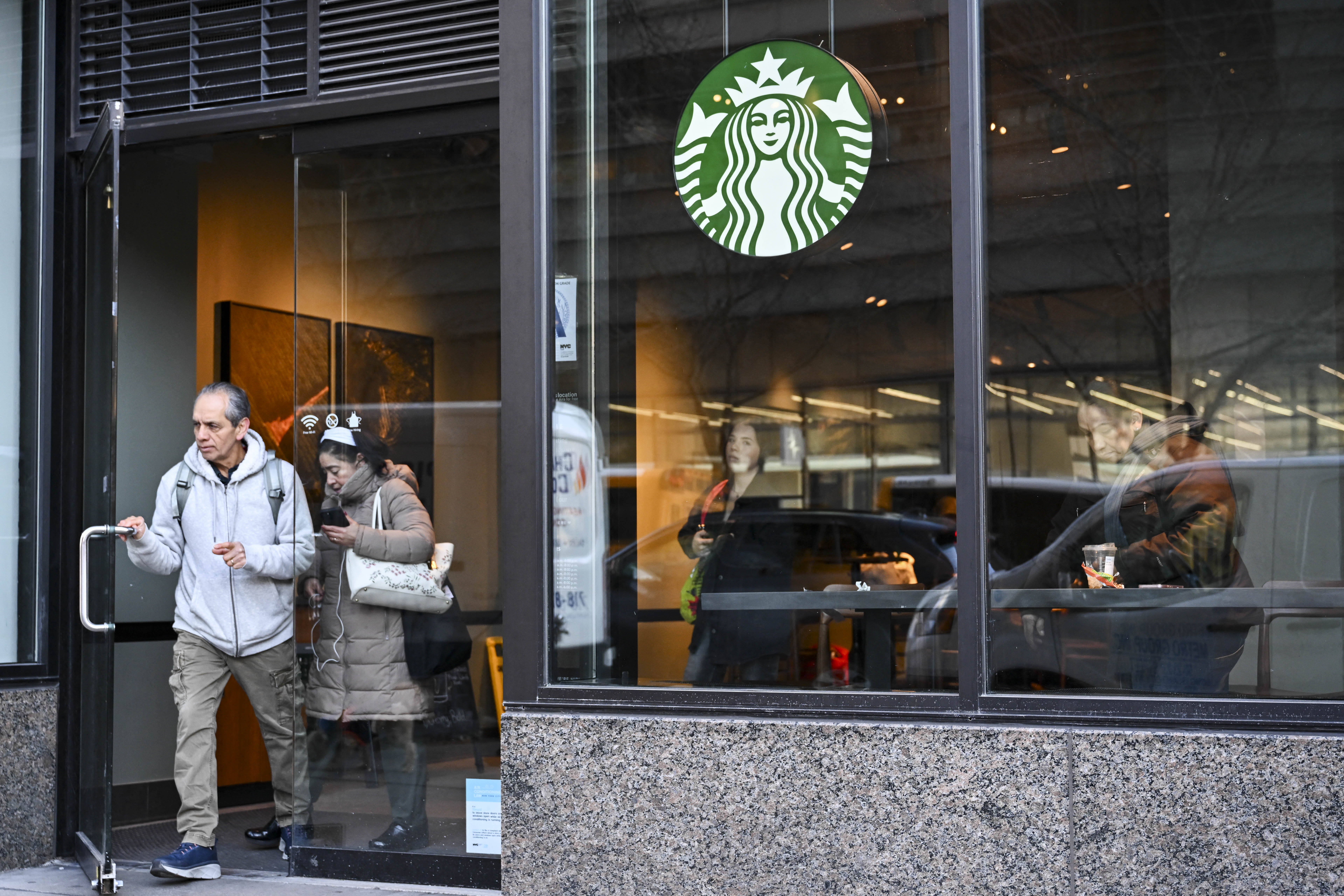

Starbucks said on Nov. 3 that it is selling a majority stake in its China retail business to Hong Kong-based private equity firm Boyu Capital for $4 billion.
The retail coffee giant, which values the China business at more than $13 billion, will form a joint venture to revitalize growth in its second-largest market.
While Boyu will hold a 60 percent stake in the business, Starbucks will retain a 40 percent interest, including brand ownership and licensing rights. The business will remain headquartered in Shanghai.
Starbucks CEO Brian Niccol says both companies envision expanding the number of locations in China to 20,000, from the current 8,000 coffeehouses.
“Boyu’s deep local knowledge and expertise will help accelerate our growth in China, especially as we expand into smaller cities and new regions,” Niccol said in a statement. “We’ve found a partner who shares our commitment to a great partner experience and world-class customer service. Together we will write the next chapter of Starbucks’ storied history in China.”
The deal is expected to be finalized in the second quarter of 2026, following the completion of required regulatory approvals.
Shares of the Seattle-based coffee retailer were little changed after the news. The company has struggled to keep pace with the broader record-breaking run in the U.S. stock market, falling by about 12 percent this year.
Challenges Brewing in China
Starbucks opened its first store in China in 1999, launching the coffee juggernaut’s second-largest market, behind the United States.
In recent years, Starbucks’ market share in China has declined, sliding from 34 percent in 2019 to 14 percent last year.
The company has witnessed intensifying competition from local coffee chains Cotti and Luckin Coffee—two companies that have offered cheaper beverages and adopted a digital-first model.
Additionally, consumers have become more price-conscious amid a series of economic headwinds facing the world’s second-largest economy.
Starbucks has employed various strategies in response to changing market conditions, particularly by lowering prices this year, at a time when coffee futures have soared to all-time highs.
But Molly Liu, CEO of Starbucks China, said she believes the company can regain momentum through its new joint venture with Boyu by focusing on brand experience and leveraging local expertise.
“Building on our positive business momentum, our partnership with Boyu will enable Starbucks China to fully unlock the vast market opportunity,” Liu said in a statement.
“Together, we will deliver exceptional coffee experiences to more Chinese consumers than ever before, create greater career opportunities for our green apron partners, and drive the future of China’s specialty coffee industry.”
Giving the Brand a Caffeine Boost
Niccol recently marked his first anniversary since joining Starbucks as CEO and chairman.
When he arrived from Chipotle in September 2024, Niccol instituted an aggressive turnaround strategy called “Back to Starbucks.” The initiative has focused on simplifying operations, expanding a health-conscious menu, improving service quality, and restoring the brand’s emotional appeal as a community coffeehouse.
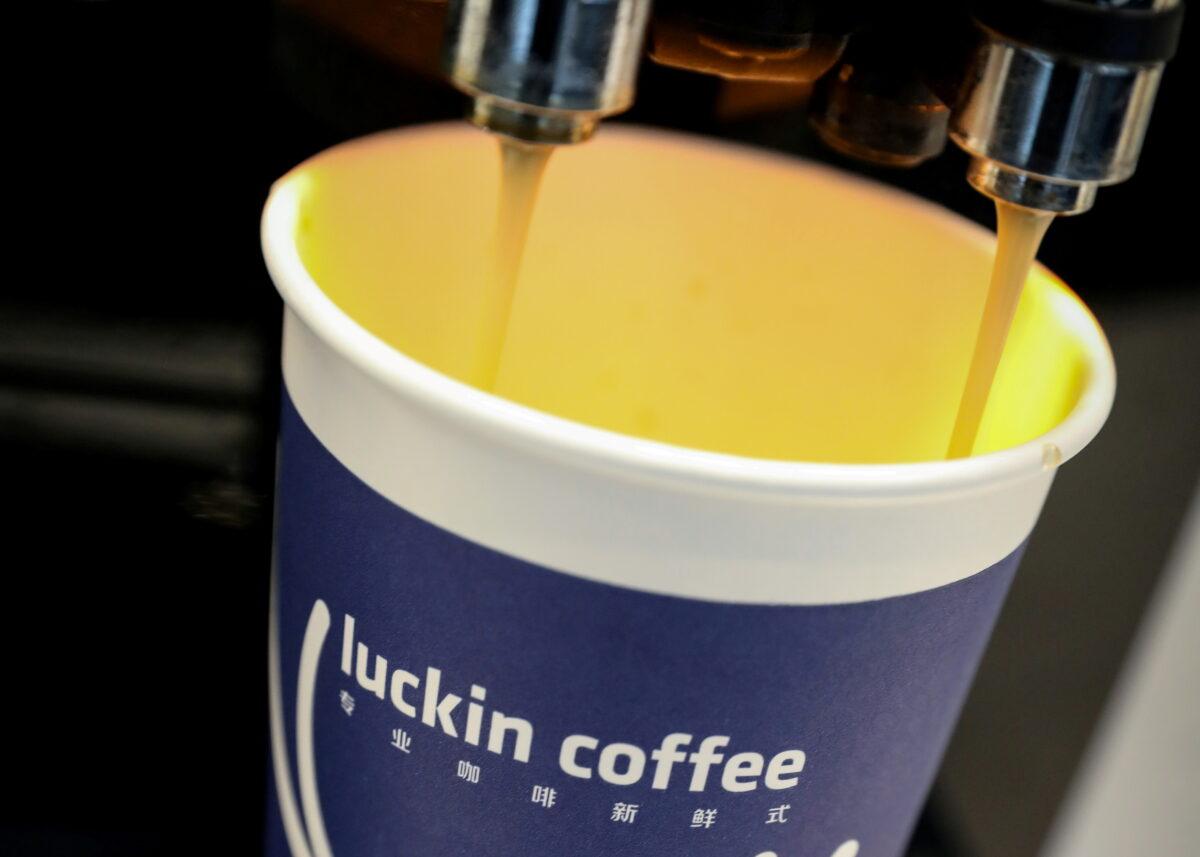
A cup of coffee is poured during Starbucks competitor Luckin Coffee's IPO at the Nasdaq Market site in New York City, on May 17, 2019. (Brendan McDermid/Reuters)
The company also said in September that it would eliminate about 900 jobs and close underperforming stores in North America.
Despite global coffee prices surging due to droughts in key growing areas, shrinking domestic inventories, and global tariffs, Starbucks has refrained from raising prices.
Speaking to shareholders and analysts during this past week’s earnings call, Niccol said the company is pursuing offsets.
“Coffee prices have not retreated. You know, they still have stayed elevated,” he said. “And know, we’re dealing with that accordingly. We’re trying to find offsets where we can in the business. But hopefully, start to see that recede, but it hasn’t happened yet.”
Arabica coffee futures have soared 27 percent this year on the U.S. ICE Futures exchange.
So far, the results have been mixed, but Niccol suggests the company’s efforts are ahead of schedule.
“Critical moment for our company, we’re really proud of where we are, and I’m really excited about where we’re going. We got a clear line of sight on this thing,” Niccol said in an Oct. 29 interview with CNBC following a mixed earnings report.
U.S. same-store sales were flat for the quarter but turned positive in September. Global same-store rises increased by 1 percent.
Net sales climbed 5 percent to $9.57 billion.
Market watchers are optimistic about Starbucks’ immediate future.
The stock maintains a “Moderate Buy” and a 25 percent upside price target, according to MarketBeat.
Katabella Roberts and Reuters contributed to this report.